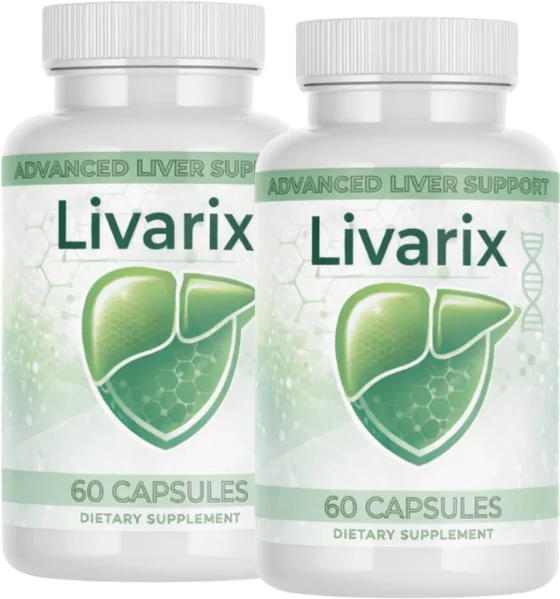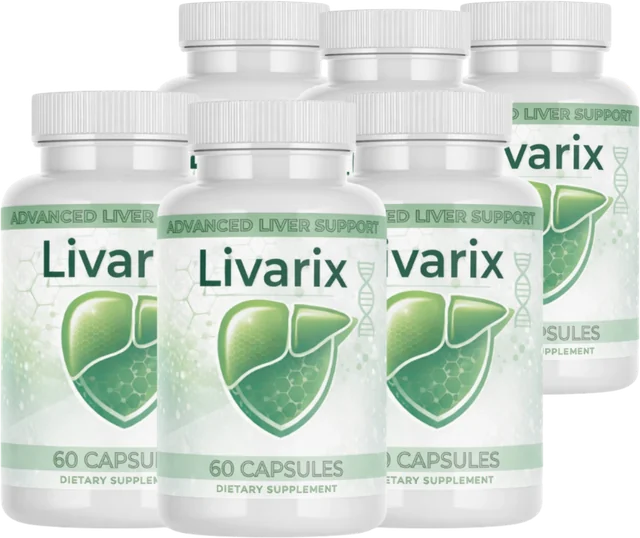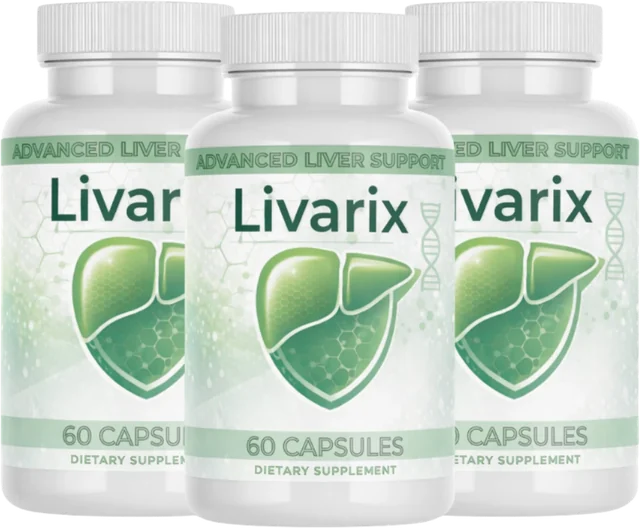
If you take a water pill, also called a diuretic, ask your doctor or pharmacist before you take Livarix Capsules. NCCIH lists diuretics among the medicines dandelion may interact with, and dandelion powder (leaf) is one of the eight ingredients on the sales page.
The flag is a theoretical one and is not specific to this product. Still, water pills are prescribed for reasons that make small changes worth a conversation, so this post sets out the note, the gaps and the questions to ask.
What exactly do the sources say?
NCCIH says dandelion may interact with several kinds of medicine, naming diabetes drugs, blood thinners and water pills among them, and describes the interactions as theoretical. It also says there is very little human research on dandelion and no compelling evidence for any condition.[1]
That is the whole of what we can cite. We found no source that names a specific water pill, describes an effect in people or tests the capsule itself. A theoretical note is a reason to ask, not a reason to expect a problem, and it is exactly the kind of thing a pharmacist can weigh against your prescription in a few minutes.
How much dandelion is in the capsules?
The sales page lists dandelion powder (leaf) at 100 mg, and the pack describes the formula as eight ingredients. No Supplement Facts panel was supplied, so we cannot confirm the amount or whether it applies to one capsule or to a two-capsule serving.
NCCIH says food amounts of dandelion are likely safe, and that little is known at larger amounts.[1] We do not know where 100 mg sits on that scale, and the sources do not say. Our dandelion page lists what they say, including allergy questions in people sensitive to plants in the ragweed family.
Why do water pills need extra care?
They need care because they change how your body handles fluid and salts, and doctors often prescribe them for conditions where that balance matters. Anything that might add to or alter their effect is worth raising, even if the evidence is thin.
Our sources do not describe an interaction in detail, so the following is general advice, not a finding. Tell your doctor if you take a water pill for blood pressure, heart failure or fluid build-up, and mention any new dizziness, unusual thirst, muscle cramps or change in how often you pass urine after starting a new product. Do not stop or change your water pill yourself, and do not skip a dose to make room for a supplement. If you are unsure which of your tablets is a water pill, the pharmacy label or the pharmacist can tell you in a moment, and it is worth knowing before you ask anything else. If you are unsure about anything on the bottle or the page, write the question down and take it with you, because a prepared question gets a clearer answer in a short appointment than a general worry does.
What should I ask my doctor or pharmacist?
Ask short, direct questions and bring the bottle and your medicine list. Write down what they say.
- Is a supplement containing dandelion acceptable with my water pill?
- Should I have a blood test after I start, and when?
- Which symptoms should make me stop and call?
- Do my other medicines, such as blood pressure tablets, change the answer?
- Should I tell you if I stop the capsules?
Our medications page covers the other medicine groups the sources flag, such as blood thinners and diabetes medicines, and the sales page itself advises showing the bottle to your doctor before taking it, especially with medication. That is the same check, recommended by the seller.
Do the other ingredients matter with water pills?
The sources do not name water pills for the other ingredients, but two general points apply. NCCIH asks anyone who takes medicine to talk to a provider before using turmeric or ginger,[2] and the NIH says to tell your providers about everything you take.[3]
Turmeric is the largest listed ingredient, at 300 mg, and it carries the liver caution: LiverTox says it appears to have become the most common cause of clinically apparent herbal-related liver injury in the United States.[4] If you take a water pill and have a liver or kidney condition, say so when you ask. Our liver warning signs page lists the signs that should prompt a call.
What if I feel unwell after starting?
Stop the capsules and contact a healthcare professional, and get urgent care first if it feels serious. Do not wait to see whether a symptom passes.
Note the date you started, the pack, the amount you took and every medicine you take. If you have fatigue, nausea, poor appetite, dark urine or yellow skin or eyes, those are the signs NCCIH tells people to act on with turmeric products. You can also report a problem with a supplement to the FDA through its Safety Reporting Portal or MedWatch. If you want a refund, our refund how-to post gives the seller's steps.
Frequently asked questions
Is dandelion itself a water pill?
We have no source that says so. NCCIH's note concerns possible interactions with water pills, not a use for dandelion.
Can I take the capsules and my water pill at different times of day?
We have no source on timing. Ask your pharmacist whether spacing them would change anything.
Does a blood pressure tablet count as a water pill?
Some blood pressure tablets are water pills and some are not. Ask your pharmacist which kind you take.
Should I stop my water pill if I start these capsules?
No. Never stop or change a prescribed medicine on your own. Ask your doctor first.
Medical review: Dr. Alexis David, MD, Physician. Review covers label accuracy and safety wording. It is not an endorsement. How review works.
Sources
- NCCIH: Dandelion. www.nccih.nih.gov
- NCCIH: Turmeric. www.nccih.nih.gov
- NIH Office of Dietary Supplements: Dietary Supplements: What You Need to Know. ods.od.nih.gov
- LiverTox (NIDDK, NCBI Bookshelf): Turmeric. www.ncbi.nlm.nih.gov
Safety: Livarix Capsules is a dietary supplement, not a medicine. Follow the directions printed on your bottle (the sales page says two capsules a day with water, in the morning with food) and talk to your healthcare provider first, especially if you have a liver, gallbladder or bile duct condition, take any prescription medicine (including blood thinners, diabetes or blood pressure medicines and water pills), have lupus, gout or a hormone-sensitive condition, are allergic to ragweed or daisy-family plants, or are pregnant or nursing. Stop and call a doctor if you notice yellow skin or eyes, dark urine, unusual tiredness, nausea or poor appetite. Not for anyone under 18.
This site is an independent information site, not the manufacturer of Livarix Capsules. We may earn from order links on this site; order links are marked sponsored. *These statements have not been evaluated by the Food and Drug Administration. This product is not intended to diagnose, treat, cure or prevent any disease. Page updated November 25, 2026.