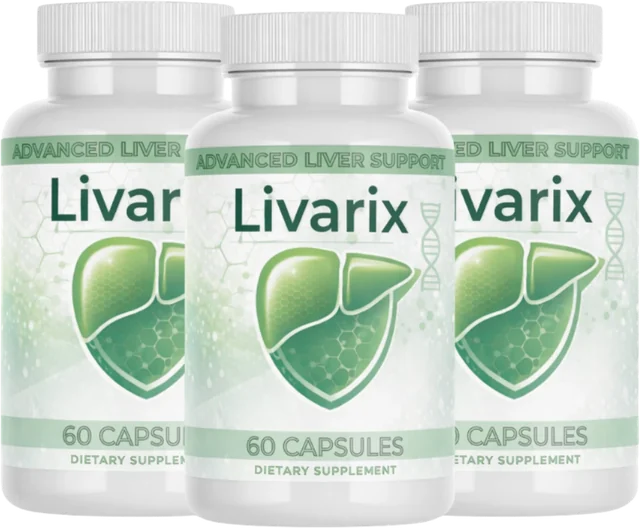
Can I take Livarix Capsules with my medicines?
You may be able to take Livarix Capsules with your medicines, but ask your pharmacist or doctor first, as the sales page itself advises. Several of its eight ingredients carry possible interactions in the sources this site cites, mostly with blood thinners, diabetes medicines and water pills.
None of these is a proven interaction with this product. They are theoretical or general cautions from the sources for each ingredient. That is still a good reason to check, because a supplement that changes how a medicine works can matter as much as a side effect. The checks take minutes, and pharmacists answer this kind of question every day, usually for free. This page lists each medicine group, the ingredients flagged and a plain question to ask.
Which medicine groups are flagged?
Six medicine groups are flagged by the sources for the ingredients, plus a general caution for any prescription. The table brings them together.
| Medicine group | Ingredients flagged | What the source says |
|---|---|---|
| Blood thinners and antiplatelet drugs | Dandelion, alfalfa | Possible interaction for dandelion (NCCIH); tell your team before alfalfa (Memorial Sloan Kettering) |
| Diabetes medicines, including insulin | Dandelion, milk thistle | Possible interaction for dandelion (NCCIH); small studies on blood sugar for milk thistle extracts (NCCIH) |
| Water pills (diuretics) | Dandelion | Possible interaction (NCCIH) |
| Medicines or conditions affecting the liver | Turmeric | Liver injury reported with turmeric products (LiverTox) |
| Hormone therapy or hormone-sensitive conditions | Alfalfa | Contains plant estrogens; caution (Memorial Sloan Kettering) |
| Lupus or gout medicines | Alfalfa | Avoid alfalfa with lupus or gout (Memorial Sloan Kettering) |
| Any other prescription | Turmeric, ginger, milk thistle, dandelion | Talk to a provider first (NCCIH) |
Medicine question builder
ToolTick the medicine groups you use. You get the named ingredients the cited NCCIH, LiverTox and Memorial Sloan Kettering pages flag, and one plain question for your pharmacist.
What about blood thinners?
If you take a blood thinner, such as warfarin, or an antiplatelet drug, such as clopidogrel, ask your doctor or anticoagulation clinic before starting. NCCIH lists anticoagulant and antiplatelet drugs among dandelion's possible interactions[1], and Memorial Sloan Kettering asks people on blood thinners to tell their healthcare team before alfalfa.
Our alfalfa source does not describe a specific warfarin interaction, and it lists vitamin K only as a nutrient alfalfa is said to contain. Because vitamin K matters for warfarin, your clinic may want to know about any regular plant product you add. Do not change your blood thinner dose yourself, and tell your clinic before you start, not after. Mention any new bruising, nosebleeds or bleeding gums at once, whatever you think the cause is.
What about diabetes medicines?
If you take insulin or a diabetes tablet, ask your pharmacist before starting. NCCIH lists antidiabetes drugs among dandelion's possible interactions, and notes that a small number of studies suggest milk thistle extracts may affect blood sugar in people with type 2 diabetes[2].
Memorial Sloan Kettering adds that alfalfa lowers blood glucose in animals, though no human studies show a significant effect. Together these are reasons to check, not to panic. If your doctor agrees you can take it, ask whether to check your blood sugar more often in the first weeks.
What about water pills?
If you take a water pill (diuretic), ask your doctor or pharmacist first. NCCIH lists diuretics among the medicines dandelion may interact with[1]. Dandelion has a long traditional use as a diuretic itself.
Water pills are often prescribed for high blood pressure, heart failure or fluid build-up, where the body's fluid and salt balance matters. Tell your doctor if you notice dizziness, unusual thirst, muscle cramps or a change in how often you urinate after starting the capsules.
What about medicines that affect the liver?
If you take a medicine that can affect the liver, or have a liver condition, ask your doctor before adding any turmeric product. LiverTox says turmeric appears to have become the most common cause of clinically apparent herbal-related liver injury in the United States[3].
Many common medicines carry liver warnings, including some pain relievers, cholesterol drugs, antibiotics and seizure medicines. Your doctor or pharmacist can tell you whether yours is one of them. If you take one, your doctor may already check your liver with blood tests; tell them about the capsules so they can read the results correctly.
What about hormone therapy?
If you take hormone therapy, including some contraceptives, menopause hormones or hormone-blocking medicines, or have a hormone-sensitive condition, ask your doctor first. Memorial Sloan Kettering says alfalfa contains plant estrogens and urges caution with hormone-sensitive conditions[4].
The alfalfa in this product is only 20 mg, and our source does not say whether amounts this small matter. That is exactly the kind of question your doctor can answer for you, and not one we can answer from a label.
Does turmeric interact with medicines?
NCCIH does not list specific drug interactions for turmeric on its consumer page, but it asks anyone who takes medicine to talk to a provider before using herbal products, because some herbs and drugs interact harmfully[5]. Turmeric is the largest ingredient here, so that general advice carries weight.
If you already take another turmeric or curcumin product, do not add this one without asking. Two products with the same ingredient add up, and that matters most for the liver caution.
What about other supplements I take?
Other supplements matter as much as medicines, because they add up. If you already take another liver-themed or digestive supplement, check whether it contains turmeric, milk thistle, dandelion or artichoke, which would double up with this product.
LiverTox notes that most supplements on the market are mixtures, and that this makes it hard to tell which ingredient caused a liver problem if one occurs.[6] It also reports that up to 40 percent of people attending liver clinics use supplements, and most do not tell their primary care provider. Adding another mixture on top of an existing one makes both of those problems worse. Keep one written list of everything, and show it at every appointment.
What about thyroid, heart or mental health medicines?
Our sources do not name specific interactions between these ingredients and thyroid, heart rhythm or mental health medicines. That is not the same as saying there are none; it means we have no source to cite either way.
For any medicine where small changes in level matter, such as thyroid hormone, heart rhythm drugs, seizure medicines or lithium, ask your pharmacist before adding any new supplement. NCCIH's general advice for turmeric, ginger, milk thistle and dandelion is to talk to a provider if you take any medicine at all.
What about pain relievers?
Ask your pharmacist about any pain reliever you take regularly. Some common pain relievers carry liver warnings at high doses, and turmeric carries its own uncommon liver caution, so the combination is worth a quick check.
Never take more of any pain reliever than the label allows. If you think you or someone else has taken too much acetaminophen, or any medicine, call emergency services or poison control at once. No supplement is a substitute for urgent care.
What should I take to the pharmacist?
Take the bottle, or a clear photo of its panel, and a written list of everything you take. A pharmacist can check each ingredient against each medicine in a few minutes.
- Every prescription medicine, with the dose.
- Every over-the-counter medicine, including pain relievers and antacids.
- Every other supplement, vitamin or herbal tea.
- How much alcohol you drink.
- Any liver, kidney, gallbladder or autoimmune condition.
The NIH Office of Dietary Supplements advises telling every health care provider about the supplements you take, because some interact with medicines.[7] The question builder above turns the source notes into plain questions you can read out.
Should I stop my medicine to take the capsules?
No. Never stop or change a prescribed medicine to take a supplement without your doctor's advice. A supplement is not a substitute for a medicine, and the FDA does not approve supplements for safety or effectiveness before they are sold.[8]
If your doctor says the capsules and your medicine do not mix, the medicine comes first. You can claim the sales page's 60-day guarantee for unused bottles; the guarantee page explains how.
What if I am having surgery?
If you are having surgery or a procedure, tell your surgeon, anaesthetist or dentist about every supplement you take, well before the date. They will tell you whether and when to stop.
That matters here because two ingredients carry notes for blood thinners, and bleeding risk is one of the things a surgical team checks. Do not decide on your own when to stop; ask at your pre-operation appointment.
Where can I read about each ingredient?
Each ingredient has its own page with its full source notes, including medicines, allergies and pregnancy. The ones with the most medicine notes are dandelion, alfalfa and turmeric. The safety page brings all the cautions together.
Frequently asked questions
Can I take Livarix Capsules with warfarin?
Ask your anticoagulation clinic first. Dandelion and alfalfa carry notes for blood thinners in our sources.
Can I take Livarix Capsules with metformin or insulin?
Ask your pharmacist first. Dandelion may interact with diabetes drugs, and milk thistle has small blood sugar studies.
Is Livarix Capsules safe with blood pressure pills?
Our sources do not name a specific interaction, but dandelion may interact with water pills, often used for blood pressure. Ask first.
Does Livarix Capsules interact with birth control?
Our sources do not name one. Alfalfa contains plant estrogens, so ask your doctor if you use hormonal contraception.
Should I tell my doctor I take Livarix Capsules?
Yes. Tell every doctor and pharmacist, especially before blood tests or surgery.
Medical review: Dr. Alexis David, MD, Physician. Review covers label accuracy and safety wording. It is not an endorsement. How review works.
Sources
- NCCIH: Dandelion. www.nccih.nih.gov
- NCCIH: Milk Thistle. www.nccih.nih.gov
- LiverTox (NIDDK, NCBI Bookshelf): Turmeric. www.ncbi.nlm.nih.gov
- Memorial Sloan Kettering: Alfalfa (About Herbs). www.mskcc.org
- NCCIH: Turmeric. www.nccih.nih.gov
- LiverTox (NIDDK, NCBI Bookshelf): Herbal and Dietary Supplements. www.ncbi.nlm.nih.gov
- NIH Office of Dietary Supplements: Dietary Supplements: What You Need to Know. ods.od.nih.gov
- FDA: FDA 101: Dietary Supplements. www.fda.gov
Safety: Livarix Capsules is a dietary supplement, not a medicine. Follow the directions printed on your bottle (the sales page says two capsules a day with water, in the morning with food) and talk to your healthcare provider first, especially if you have a liver, gallbladder or bile duct condition, take any prescription medicine (including blood thinners, diabetes or blood pressure medicines and water pills), have lupus, gout or a hormone-sensitive condition, are allergic to ragweed or daisy-family plants, or are pregnant or nursing. Stop and call a doctor if you notice yellow skin or eyes, dark urine, unusual tiredness, nausea or poor appetite. Not for anyone under 18.
This site is an independent information site, not the manufacturer of Livarix Capsules. We may earn from order links on this site; order links are marked sponsored. *These statements have not been evaluated by the Food and Drug Administration. This product is not intended to diagnose, treat, cure or prevent any disease. Page updated November 25, 2026.