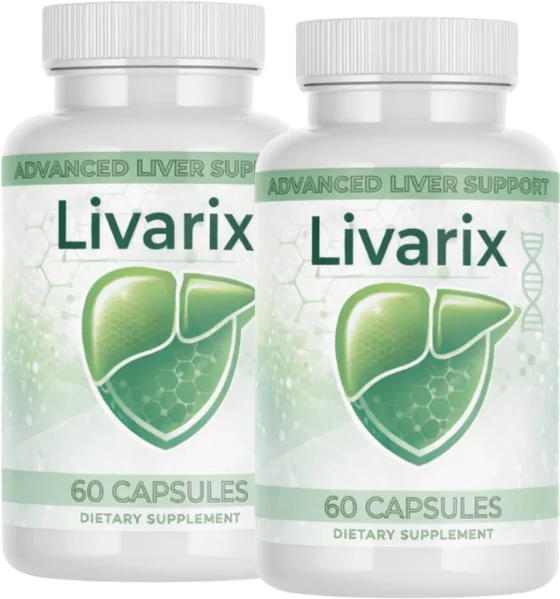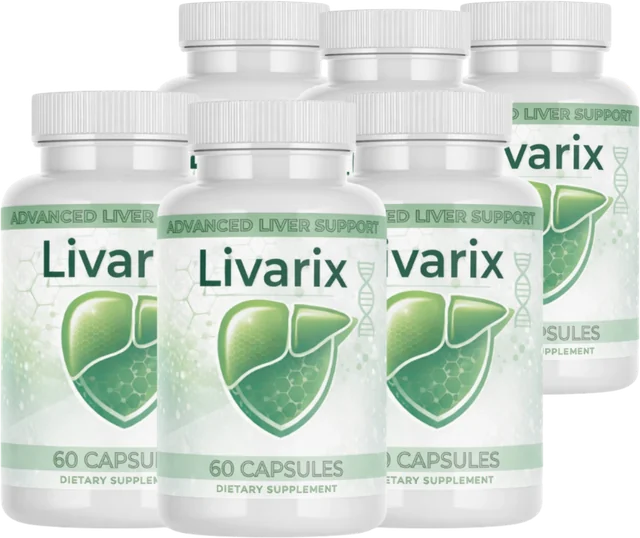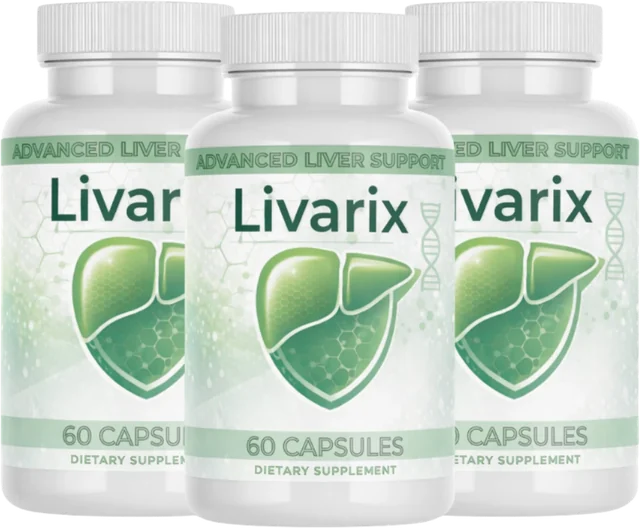
If you take warfarin, ask your anticoagulation clinic or doctor before you take Livarix Capsules. Our sources flag two of the ingredients, dandelion and alfalfa, for blood thinners, though none describes a proven interaction with warfarin or with this product.
Warfarin is a medicine where small changes matter, which is why the question deserves a proper answer from the people who monitor you. This post sets out what the public sources say, what they leave open and the questions to bring to the clinic.
Which ingredients carry notes for blood thinners?
Two of the eight listed ingredients do. NCCIH lists anticoagulant and antiplatelet drugs among dandelion's possible interactions,[1] and Memorial Sloan Kettering asks people on blood thinners to tell their healthcare team before alfalfa.[2]
Dandelion powder (leaf) is listed at 100 mg and alfalfa powder (leaf) at 20 mg, according to the sales page; no Supplement Facts panel was supplied, so we cannot confirm the amounts. The sources do not say whether amounts this small matter. That is the kind of question the clinic can weigh, because it knows your dose, your blood tests and your history.
Do the sources name warfarin?
They do not name warfarin for any of the ingredients here. NCCIH's dandelion page speaks of blood thinners as a class, and the alfalfa page asks you to tell your team without describing a specific warfarin effect.
Memorial Sloan Kettering lists vitamin K among the nutrients alfalfa is said to contain, which is relevant to a clinic managing warfarin, though our source does not draw the link itself. A missing warning is not a safe sign; it means no one we cite tested the combination. If you want to see the whole picture, our medications page lists every medicine group the sources flag, and the tool below lets you check the ones you take.
Medicine question builder
ToolTick the medicine groups you use. You get the named ingredients the cited NCCIH, LiverTox and Memorial Sloan Kettering pages flag, and one plain question for your pharmacist.
What should I ask my clinic?
Ask direct questions and bring the bottle, because the answers depend on your own dose and blood tests. Write the answers down before you leave.
- Is it acceptable for me to start a supplement containing dandelion and alfalfa?
- Do you want an extra blood test after I start, and when?
- What bruising, bleeding or other changes should make me stop and call?
- Should I tell you if I stop the capsules, and how soon?
- Do you want a list of all my supplements at every visit?
Do not change your warfarin dose yourself. Tell the clinic before you start, not afterward, and mention any new bruising, nosebleeds or bleeding gums at once, whatever you think the cause is.
What about turmeric and ginger?
Turmeric and ginger are listed in larger amounts than dandelion or alfalfa, and the sources do not name blood thinners for either on their consumer pages. NCCIH asks anyone who takes medicine to talk to a provider before using turmeric,[3] and says the same for ginger.[4]
Turmeric is the largest listed ingredient, at 300 mg, and it carries the main liver caution for this product. If your warfarin clinic also checks your liver, or you take other medicines with liver warnings, say so. If you already use another turmeric or curcumin product, do not add this one without asking, since two products with the same ingredient add up.
How does a general supplement rule apply here?
The general rule is to tell every provider about everything you take, and it applies strongly to warfarin. The NIH says supplements can have side effects, that risks rise with many products and that you should tell your providers about everything you take.[5]
NCCIH says some supplements interact with medicines.[6] With a medicine that is dosed to a narrow range, the safest habit is to keep one written list of all your medicines and supplements, with the doses, and to hand it over at every appointment. Our side effects page lists what the sources say about each ingredient, and the sales page itself advises showing the bottle to your doctor if you take medicine. If your clinic asks for the ingredient list, show it the label photo and the sales page list together, and say plainly that no Supplement Facts panel was available to us.
What if I notice bleeding or bruising?
Contact your clinic or seek urgent care at once, and stop the capsules while you wait for advice. Do not try to decide whether the capsule or the warfarin is the cause.
Serious bleeding is an emergency, so do not delay for a phone call. Afterward, tell the clinic when you started the capsules, the pack and the amount taken. You can also report a problem with a supplement to the FDA through its Safety Reporting Portal or MedWatch. If you want a refund, the seller's steps are on our refund policy page, and your health comes before the paperwork. If you are unsure about anything on the bottle or the page, write the question down and take it with you, because a prepared question gets a clearer answer in a short appointment than a general worry does.
Frequently asked questions
Should I tell my anticoagulation clinic before I order?
Yes. Tell them before you order, so they can say whether to proceed and how to monitor you.
Does vitamin K matter with these capsules?
Alfalfa is said to contain vitamin K, which matters for warfarin. Our source does not describe the effect, so ask the clinic.
Is a very small amount of alfalfa still a concern?
The 20 mg amount comes from the sales page. The sources do not say whether it matters, so ask your clinic.
Can I take them if I have stopped warfarin?
That is a question for your doctor, who knows why you stopped and what you take now.
Medical review: Dr. Alexis David, MD, Physician. Review covers label accuracy and safety wording. It is not an endorsement. How review works.
Sources
- NCCIH: Dandelion. www.nccih.nih.gov
- Memorial Sloan Kettering: Alfalfa (About Herbs). www.mskcc.org
- NCCIH: Turmeric. www.nccih.nih.gov
- NCCIH: Ginger: Usefulness and Safety. www.nccih.nih.gov
- NIH Office of Dietary Supplements: Dietary Supplements: What You Need to Know. ods.od.nih.gov
- NCCIH: Using Dietary Supplements Wisely. www.nccih.nih.gov
Safety: Livarix Capsules is a dietary supplement, not a medicine. Follow the directions printed on your bottle (the sales page says two capsules a day with water, in the morning with food) and talk to your healthcare provider first, especially if you have a liver, gallbladder or bile duct condition, take any prescription medicine (including blood thinners, diabetes or blood pressure medicines and water pills), have lupus, gout or a hormone-sensitive condition, are allergic to ragweed or daisy-family plants, or are pregnant or nursing. Stop and call a doctor if you notice yellow skin or eyes, dark urine, unusual tiredness, nausea or poor appetite. Not for anyone under 18.
This site is an independent information site, not the manufacturer of Livarix Capsules. We may earn from order links on this site; order links are marked sponsored. *These statements have not been evaluated by the Food and Drug Administration. This product is not intended to diagnose, treat, cure or prevent any disease. Page updated November 25, 2026.