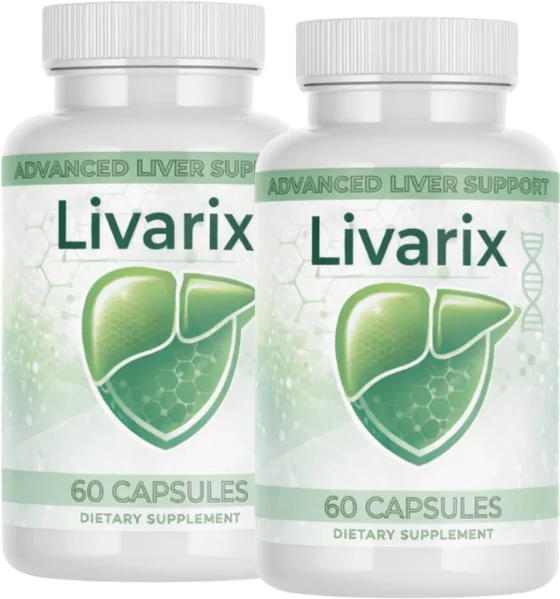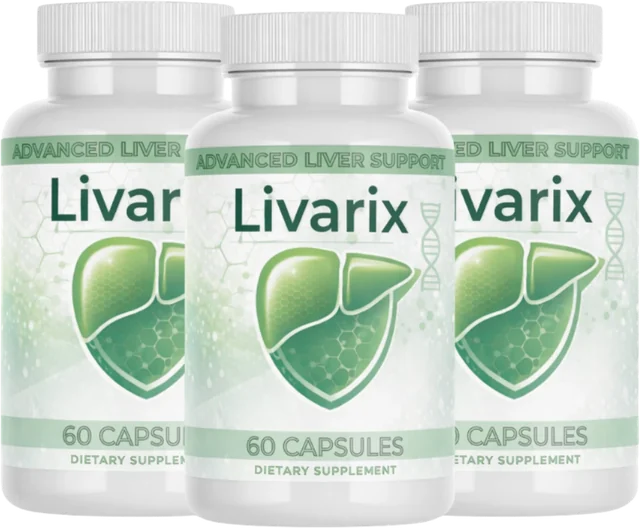
What are the side effects of Livarix Capsules?
The side effects most likely with Livarix Capsules are digestive, such as nausea, heartburn, stomach upset, bloating, gas, diarrhea or constipation, and some people may notice pink or red urine from the beet root. Less commonly, allergic reactions are possible, and rarely turmeric has been linked to liver injury.
We have no reports of side effects from this product itself. What follows comes from the sources for each of its eight ingredients. Because they are combined in one capsule, a symptom could come from any of them, so the practical advice is the same: take the capsules as directed, watch how you feel, and stop and ask if something does not settle.
What does each ingredient's source list?
Each ingredient's source lists a slightly different set of effects. The table brings them together; the linked pages have the detail.
| Ingredient | Side effects listed in the source | Source |
|---|---|---|
| Turmeric root | Nausea, vomiting, heartburn, stomach upset, diarrhea, constipation; liver injury reported in some people | NCCIH, LiverTox |
| Beet root | Pink or red urine (beeturia) in about 10 to 14 percent of people | Clinical reference |
| Dandelion leaf | Allergy questions; no specific side effects listed beyond that | NCCIH |
| Artichoke extract | Mild diarrhea with cramps, nausea, heartburn; allergic reactions | European Medicines Agency |
| Ginger root | Stomach discomfort, heartburn, diarrhea, mouth or throat irritation | NCCIH |
| Milk thistle | Bloating, nausea, gas; allergy, especially with ragweed or daisy allergy | NCCIH |
| Alfalfa leaf | More frequent or loose stools, diarrhea, abdominal discomfort, gas | Memorial Sloan Kettering |
| L-cysteine HCl | None listed at this amount in our sources | — |
Which side effects are most likely?
Digestive effects are the most likely, because five of the eight ingredients list them. NCCIH lists nausea, vomiting, heartburn, stomach upset, diarrhea and constipation for oral turmeric[1], and stomach discomfort, heartburn and diarrhea for ginger.[2] Milk thistle can cause bloating, nausea and gas, and artichoke and alfalfa can loosen stools.
These are usually mild. The sales page's direction to take the capsules in the morning with food and a large glass of water is a sensible way to reduce stomach upset, though we have no source that tests it for this product. If a digestive effect continues for more than a few days, stop and ask your pharmacist.
Why might my urine turn pink?
Your urine may turn pink or red because of the beet root. Passing pink or red urine after beets is called beeturia and happens in about 10 to 14 percent of people, according to a clinical reference[3]. It is usually harmless, though it is more common in people with low iron.
Pink or red urine is not the same as dark brown urine, which can be a sign of liver trouble. If your urine looks like tea or cola rather than pink, stop the capsules and contact a doctor the same day. If it looks red and you have pain, fever or clots, see a doctor too, because red urine can also be blood. The beet root page explains the difference.
What allergic reactions are possible?
Allergic reactions are possible, especially in people allergic to plants in the daisy family. NCCIH says milk thistle can cause allergic reactions, particularly in people allergic to ragweed, chrysanthemum, marigold or daisy[4], and the European Medicines Agency excludes people allergic to that plant family from artichoke leaf.
Signs of an allergic reaction include a rash, hives, itching, swelling of the lips, face or tongue, and trouble breathing. Stop the capsules if you notice a rash or itching. Seek emergency care at once for swelling of the face or tongue, or any difficulty breathing.
What is the rare but serious side effect?
The rare but serious side effect is liver injury linked to turmeric. LiverTox says turmeric appears to have become the most common cause of clinically apparent herbal-related liver injury in the United States, including some cases with plain turmeric powder[5].
It is uncommon, and most people who take turmeric have no liver problem. But because it can be serious, know the signs: yellow skin or eyes, dark urine, pale stools, unusual tiredness, nausea, poor appetite, itching and pain in the upper right belly. Stop all supplements and contact a doctor if you notice any of them. The liver warning signs page has a quick check.
Which side effects need a doctor?
These need a doctor, and some need emergency care. When in doubt, call.
- Same day: yellow skin or eyes, dark urine, pale stools.
- Same day: red urine with pain, fever or clots.
- Emergency: swelling of the face, lips or tongue, or trouble breathing.
- Emergency: confusion, unusual sleepiness, vomiting blood or black stools.
- Call your doctor: new unusual tiredness, nausea or poor appetite that does not settle.
- Call your pharmacist: heartburn, bloating or loose stools that last more than a few days.
Can Livarix Capsules interact with my medicines?
It can, in theory, which is a different question from side effects. NCCIH lists possible interactions between dandelion and diabetes drugs, blood thinners and water pills, among others, and asks anyone on medicine to talk to a provider before turmeric, ginger or milk thistle.
An interaction can make a medicine work more or less strongly, which can feel like a side effect. If you notice something new after starting the capsules while on any medicine, tell your doctor. The medicines page has a question builder.
Are some people more likely to have side effects?
Some people have more reason to ask before starting, because the sources name groups with specific cautions. People with lupus should avoid alfalfa tablets, people with gout should avoid alfalfa, and people with certain liver or bile duct disorders should not use artichoke leaf.
The NIH Office of Dietary Supplements adds that supplement risks rise with high doses, with many products taken together and when supplements are used in place of medicines.[6] If you already take several supplements, adding an eight-ingredient capsule makes it harder to tell which one causes a problem. The who it's for page explains each group.
What should I do about a mild side effect?
For a mild side effect, check you are taking the capsules exactly as directed, with food and water, and give it a few days. If it settles, carry on and keep an eye on it. If it does not, stop.
Write down what you noticed and when. If you stop because of a side effect, you can still claim the sales page's 60-day guarantee; keep the bottles, as the guarantee page explains. Do not take more capsules to "push through" a side effect, and do not take less than directed to avoid one without asking your pharmacist first.
Can side effects come from the capsule shell or fillers?
They can, though we cannot say for this product, because we did not see the panel's other ingredients line. Capsule shells and small amounts of fillers rarely cause problems, but people with specific allergies or intolerances sometimes react to them.
If you have a known allergy to a food or additive, read the other ingredients line before your first dose. The FDA lists nine major food allergens that must be declared on labels.[7] If the line is unclear, ask the order desk in the seller's notes, +1 (302) 200-3480, before you take a capsule. The supplement facts page explains what to look for.
Do side effects mean the product is working?
No. A side effect is not a sign that a product is doing anything useful, and our sources do not describe any "adjustment period" for these ingredients. Some sales pages describe discomfort as the body "detoxing"; we do not repeat that idea, because nothing in our sources supports it.
If you feel worse after starting the capsules, the safe reading is that something does not suit you. Stop, and ask your doctor or pharmacist. You can still claim the guarantee within 60 days.
How do I report a side effect?
After seeing a doctor for anything serious, you can report a side effect to the FDA through its Safety Reporting Portal, which takes reports from consumers[8]. Include the product name, the lot code if the bottle shows one, what you noticed and when.
Reports help the FDA spot problems across many products. The FDA does not approve supplements before they are sold,[9] so reports from people who take them are one of the main ways problems come to light. Tell the seller too, with your order ID.
Why are there so few reports of side effects?
We have no reports of side effects from this product, but that does not mean there are none. The sales page's testimonials do not mention side effects, and we found no independent reports we could verify.
Absence of reports is not evidence of safety, especially for effects that may not cause symptoms. LiverTox notes that many people with supplement-related liver injury have mild symptoms or none, with only raised liver enzymes on a blood test. The safest approach is to know the signs and tell your doctor you take it.
Frequently asked questions
Does Livarix Capsules cause stomach upset?
It can. Turmeric, ginger, artichoke, milk thistle and alfalfa each list digestive effects. Take the capsules with food, as directed.
Why is my urine red on Livarix Capsules?
Probably the beet root. About 10 to 14 percent of people pass pink or red urine after beets. Dark brown urine is different.
Can Livarix Capsules cause an allergic reaction?
Yes, especially in people allergic to ragweed or daisy-family plants. Seek emergency care for swelling or trouble breathing.
Can Livarix Capsules affect the liver?
Rarely, through its turmeric. Stop all supplements and see a doctor for yellowing, dark urine or pale stools.
How soon do Livarix Capsules side effects appear?
Our sources do not give timings for this product. Stop and ask your pharmacist if a side effect does not settle.
Medical review: Dr. Alexis David, MD, Physician. Review covers label accuracy and safety wording. It is not an endorsement. How review works.
Sources
- NCCIH: Turmeric. www.nccih.nih.gov
- NCCIH: Ginger: Usefulness and Safety. www.nccih.nih.gov
- StatPearls (NCBI Bookshelf): Beeturia. www.ncbi.nlm.nih.gov
- NCCIH: Milk Thistle. www.nccih.nih.gov
- LiverTox (NIDDK, NCBI Bookshelf): Turmeric. www.ncbi.nlm.nih.gov
- NIH Office of Dietary Supplements: Dietary Supplements: What You Need to Know. ods.od.nih.gov
- FDA: Food Allergies. www.fda.gov
- FDA: How to Report a Problem with Dietary Supplements. www.fda.gov
- FDA: FDA 101: Dietary Supplements. www.fda.gov
Safety: Livarix Capsules is a dietary supplement, not a medicine. Follow the directions printed on your bottle (the sales page says two capsules a day with water, in the morning with food) and talk to your healthcare provider first, especially if you have a liver, gallbladder or bile duct condition, take any prescription medicine (including blood thinners, diabetes or blood pressure medicines and water pills), have lupus, gout or a hormone-sensitive condition, are allergic to ragweed or daisy-family plants, or are pregnant or nursing. Stop and call a doctor if you notice yellow skin or eyes, dark urine, unusual tiredness, nausea or poor appetite. Not for anyone under 18.
This site is an independent information site, not the manufacturer of Livarix Capsules. We may earn from order links on this site; order links are marked sponsored. *These statements have not been evaluated by the Food and Drug Administration. This product is not intended to diagnose, treat, cure or prevent any disease. Page updated November 25, 2026.