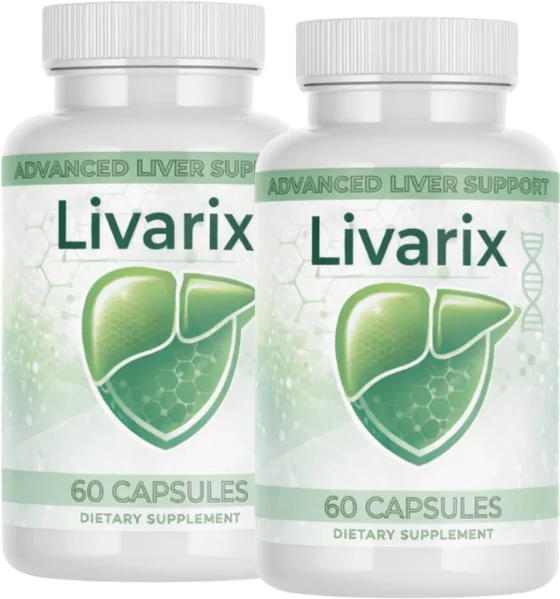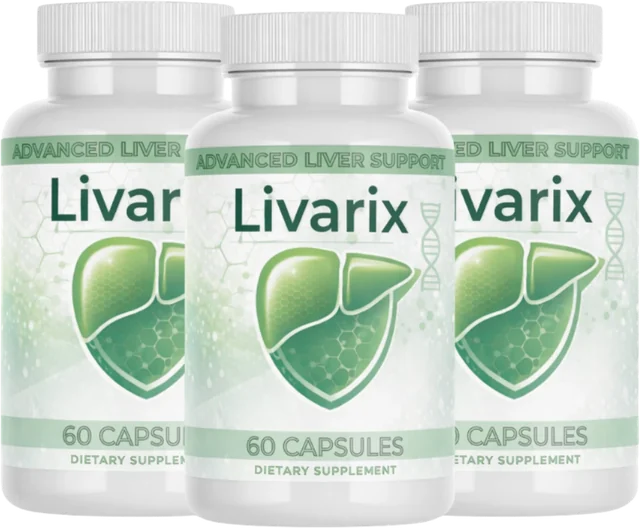
Is Livarix Capsules safe?
Whether Livarix Capsules is safe for you depends on your health and your medicines, and the sales page itself says to show the bottle to your doctor before taking it, especially if you take medication. Most of its eight ingredients are everyday foods and herbs, but several carry specific cautions in the sources this site cites.
The most important for a liver-themed product is turmeric, the largest ingredient, which LiverTox describes as the most common cause of clinically apparent herbal-related liver injury in the US. That risk is uncommon, but it is real. This page sets out every caution with its source, then gives a seven-question check you can run in a minute.
What are the main cautions?
The main cautions are a liver note for turmeric, liver, bile duct and allergy limits for artichoke, clear avoid-groups for alfalfa, possible medicine interactions for dandelion and allergy notes for milk thistle. The table gives one line for each ingredient.
| Ingredient | Main caution | Source |
|---|---|---|
| Turmeric root, 300 mg | Liver injury reported, including with plain powder; may be unsafe in pregnancy | NCCIH, LiverTox |
| Artichoke extract, 50 mg | Not for certain liver and bile duct disorders or daisy-family allergy | European Medicines Agency |
| Alfalfa leaf, 20 mg | Avoid with lupus, gout, and in pregnancy and breastfeeding; caution with hormone-sensitive conditions | Memorial Sloan Kettering |
| Dandelion leaf, 100 mg | Possible interactions with blood thinners, diabetes drugs and water pills | NCCIH |
| Milk thistle, 50 mg | Allergy possible with ragweed or daisy allergy | NCCIH |
| Ginger root, 50 mg | Stomach upset, heartburn; ask if you take medicine | NCCIH |
| Beet root, 200 mg | Pink or red urine in some people, usually harmless | Clinical reference |
| L-cysteine HCl, 10 mg | No specific caution at this amount in our sources | — |
What is the turmeric liver caution?
The turmeric liver caution is that some people develop liver injury while taking turmeric products. LiverTox says turmeric appears to have become the most common cause of clinically apparent herbal-related liver injury in the United States, with most cases linked to highly absorbable curcumin products but some to plain ground turmeric powder and even turmeric tea[1].
NCCIH advises stopping a turmeric product and contacting a health care provider if you notice fatigue, nausea, poor appetite, dark urine or jaundice, which is yellowing of the skin or eyes.[2] LiverTox adds that a severe outcome is more likely if turmeric is continued after signs of liver injury appear. So know the signs, and stop at the first one. The liver warning signs page has a quick check.
Who should ask a doctor before taking it?
These groups should ask a doctor before taking Livarix Capsules, because one or more ingredients carry a caution that applies to them:
- Anyone with a liver, gallbladder or bile duct condition, or gallstones now or in the past (turmeric, artichoke).
- Anyone who has had liver injury from a medicine or supplement before (turmeric).
- Anyone pregnant, trying to conceive or breastfeeding (turmeric, alfalfa).
- Anyone with lupus or another autoimmune condition (alfalfa).
- Anyone with gout or high uric acid (alfalfa).
- Anyone with a hormone-sensitive condition or on hormone therapy (alfalfa).
- Anyone allergic to ragweed, daisies, marigolds or chrysanthemums (artichoke, milk thistle, possibly dandelion).
- Anyone taking a blood thinner, a diabetes medicine or a water pill (dandelion, alfalfa).
- Anyone taking any regular prescription (general advice for turmeric, ginger and milk thistle).
- Anyone under 18, since the seller's notes say adults 18 and over.
That is a long list, which is the honest result of putting eight ingredients in one capsule. The who it's for page explains each group.
Is it safe for my liver?
It may not be, for some people, and that is the uncomfortable fact about this product. Most people who take turmeric have no liver problem, but turmeric is the herb most often linked to supplement liver injury in the US, and it is the largest ingredient here.
The other liver-associated ingredients have better safety records. LiverTox says milk thistle has not been implicated in causing liver injury.[3] Artichoke is not for people with certain liver and bile duct disorders. If you are considering this product because you are worried about your liver, the most useful step is to see your doctor, who can check your liver with a blood test. A supplement is not a substitute for that.
Can it interact with my medicines?
It can, in theory, depending on what you take. NCCIH lists possible interactions between dandelion and diabetes drugs, blood thinners and water pills, among others[4]. Memorial Sloan Kettering asks people on blood thinners to tell their team before alfalfa. NCCIH asks anyone on medicine to talk to a provider before turmeric, ginger or milk thistle.
None of these is a proven interaction with this product. They are reasons to check before you start. Bring the bottle and a list of everything you take to your pharmacist. The medicines page has a question builder that turns the notes into plain questions.
What side effects might I notice?
The side effects most likely to show up are digestive: nausea, heartburn, stomach upset, bloating, gas, diarrhea or constipation. Turmeric, ginger, artichoke, milk thistle and alfalfa can each cause some of these, according to their sources.
You may also notice pink or red urine, which is a common, usually harmless effect of beet root called beeturia. Dark brown urine is different and can be a liver sign. The side effects page lists each ingredient's notes, and explains how to tell the colours apart.
Is it safe in pregnancy?
Ask your doctor or midwife first, because two ingredients carry clear pregnancy cautions. NCCIH says turmeric supplements may be unsafe during pregnancy[2], and Memorial Sloan Kettering advises avoiding alfalfa during pregnancy and breastfeeding because of its hormonal effects.[5]
Little is known about the safety of milk thistle, dandelion and ginger supplements in pregnancy, and our artichoke source does not address it. The pregnancy and nursing page lists every ingredient's note.
Is "natural" the same as safe?
No. The seller's badge says "Natural Formula", but natural ingredients can still cause side effects and interact with medicines. NCCIH makes the same point about supplements in general, and the turmeric liver cases are a clear example.
The NIH Office of Dietary Supplements says supplements can have side effects, that risks rise with high doses, many products taken together or using supplements in place of medicines, and that you should tell every provider what you take.[6] That applies to plant products as much as any other.
Is it safe with alcohol?
Our sources do not study this product with alcohol, so we cannot give a figure. But if you drink regularly or heavily, your liver is already doing extra work, and a product containing turmeric, with its uncommon liver risk, is worth discussing with your doctor before you start.
A supplement is not a way to offset drinking. If you are worried about how much you drink, or about your liver, a doctor's appointment and a blood test will tell you far more than any capsule can. In the US, the national helpline run by SAMHSA offers free, confidential support at any hour.
How long is it safe to take?
Our sources do not set a safe length of use for this formula. NCCIH says standard oral forms of turmeric are likely safe at recommended amounts for up to 2 to 3 months, which is a statement about what has been studied for turmeric, not a limit printed on this product.
The packs last 60, 90 or 180 days at two capsules a day. If you take it for longer than a couple of months, review it with your doctor, and ask whether a liver blood test would be sensible. Stop at any warning sign, however long you have been taking it.
Is the product checked by the FDA?
No. The FDA does not approve dietary supplements for safety or effectiveness before they are sold, and firms are responsible for their own products and labels.[7] The sales page's description of an "FDA-registered" facility could not be verified, and facility registration is not product approval in any case.
LiverTox also notes that supplements have been found with contaminants, unlabeled ingredients and swapped botanicals.[8] Buy from a seller you can trace, check the bottle, and read the panel before your first dose. The bottle check page has a checklist.
What should I do if I feel unwell?
If you feel unwell, stop taking the capsules and contact a doctor. Seek prompt care for yellow skin or eyes, dark urine, pale stools, pain in the upper right belly, swelling of the face or lips, or trouble breathing.
Bring the bottle to the appointment. Afterwards, you can report the problem to the FDA through its Safety Reporting Portal, which takes reports from consumers.[9] You can also claim the sales page's 60-day guarantee; the two are separate, and your health comes first.
Take the red-flag check
The red-flag check turns the main cautions into seven yes-or-no questions. A "yes" means your doctor comes before the first capsule. Your answers stay in your browser.
Red-flag check: ask before you start?
ToolSeven yes-or-no questions built from the eight named ingredients and the sources this site cites. Answers stay in your browser. This is not medical advice.
- Are you pregnant, trying to conceive or breastfeeding?
- Are you under 18?
- Do you have a liver, gallbladder or bile duct condition, or gallstones?
- Are you allergic to ragweed, daisies, marigolds or chrysanthemums?
- Do you take a blood thinner, a diabetes medicine or a water pill?
- Do you have lupus, gout or a hormone-sensitive condition?
- Do you take any other prescription medicine?
Frequently asked questions
Can Livarix Capsules damage the liver?
Uncommonly, through its turmeric. LiverTox reports liver injury with turmeric products, including plain powder. Stop and see a doctor at any warning sign.
Is Livarix Capsules safe with high blood pressure medicine?
Our sources do not name a specific interaction, but dandelion may interact with water pills, often used for blood pressure. Ask your pharmacist.
Who should not take Livarix Capsules?
Anyone under 18, and anyone in the groups above without a doctor's advice, including pregnancy, lupus, gout and liver or bile duct conditions.
Does Livarix Capsules have side effects?
Possibly digestive effects such as nausea or heartburn, and pink urine from beet root in some people. See the side effects page.
Is Livarix Capsules safe for long-term use?
Our sources do not cover long-term use of this formula. NCCIH says standard turmeric forms are likely safe for 2 to 3 months; review longer use with your doctor.
Medical review: Dr. Alexis David, MD, Physician. Review covers label accuracy and safety wording. It is not an endorsement. How review works.
Sources
- LiverTox (NIDDK, NCBI Bookshelf): Turmeric. www.ncbi.nlm.nih.gov
- NCCIH: Turmeric. www.nccih.nih.gov
- LiverTox (NIDDK, NCBI Bookshelf): Milk Thistle. www.ncbi.nlm.nih.gov
- NCCIH: Dandelion. www.nccih.nih.gov
- Memorial Sloan Kettering: Alfalfa (About Herbs). www.mskcc.org
- NIH Office of Dietary Supplements: Dietary Supplements: What You Need to Know. ods.od.nih.gov
- FDA: FDA 101: Dietary Supplements. www.fda.gov
- LiverTox (NIDDK, NCBI Bookshelf): Herbal and Dietary Supplements. www.ncbi.nlm.nih.gov
- FDA: How to Report a Problem with Dietary Supplements. www.fda.gov
Safety: Livarix Capsules is a dietary supplement, not a medicine. Follow the directions printed on your bottle (the sales page says two capsules a day with water, in the morning with food) and talk to your healthcare provider first, especially if you have a liver, gallbladder or bile duct condition, take any prescription medicine (including blood thinners, diabetes or blood pressure medicines and water pills), have lupus, gout or a hormone-sensitive condition, are allergic to ragweed or daisy-family plants, or are pregnant or nursing. Stop and call a doctor if you notice yellow skin or eyes, dark urine, unusual tiredness, nausea or poor appetite. Not for anyone under 18.
This site is an independent information site, not the manufacturer of Livarix Capsules. We may earn from order links on this site; order links are marked sponsored. *These statements have not been evaluated by the Food and Drug Administration. This product is not intended to diagnose, treat, cure or prevent any disease. Page updated November 25, 2026.