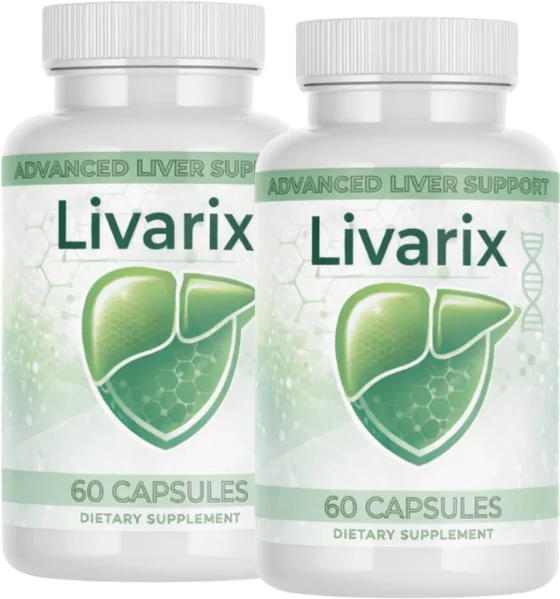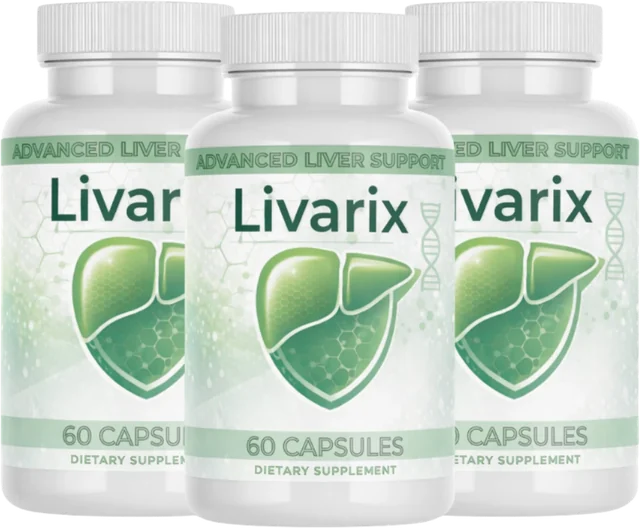
Turmeric liver injury is rare, but LiverTox says turmeric appears to have become the most common cause of clinically apparent herbal-related liver injury in the United States. Turmeric is also the largest ingredient listed for Livarix Capsules, which is why this page exists.
The point is not to alarm anyone. Most people who take turmeric have no such problem, and the sources say the injury is unpredictable. The aim is to explain what is known, what is not and which signs should make you stop and call a professional.
What do the sources say turmeric can do to the liver?
They say it can cause liver injury in a small number of people, and that the injury is idiosyncratic, meaning it is not predictable from the dose. LiverTox describes it as perhaps immune-mediated, and says most cases involved highly bioavailable curcumin products.[1]
It also says cases have been described with plain ground turmeric powder and even turmeric tea, so the risk is not limited to concentrated extracts. NCCIH agrees that liver injury has been reported in some people taking highly bioavailable curcumin products, and says the concern relates to supplement amounts, not cooking.[2] A pinch in a curry is a different thing from a daily capsule.
What are the warning signs?
The signs are fatigue, nausea, poor appetite, dark urine and yellow skin or eyes, which is jaundice. NCCIH advises stopping the product and contacting a provider if you notice any of them.[2]
Many people with liver injury from supplements have mild or no symptoms at all and show only raised liver enzymes on a blood test, according to LiverTox.[3] That is why the signs are a floor, not a ceiling: you can have a problem without feeling it. Our liver warning signs page lists them in plain words, and our dark urine post explains how beets can confuse the picture.
Why does continuing matter so much?
It matters because LiverTox says a severe outcome is more likely if turmeric is continued after signs of liver injury appear.[1] The injury itself is not described as predictable, but the decision to keep taking the product is yours.
That makes the simplest protection the most important: know the signs, and stop at the first one. Do not finish the bottle, wait to see whether it passes or decide the cause is something else. If liver injury is suspected, LiverTox advises stopping all supplements and telling your provider about every one.[3] A short delay in acting is the thing the sources warn against.
How does this relate to Livarix Capsules?
Turmeric powder (root) is listed at 300 mg on the sales page, the largest of eight ingredients. No Supplement Facts panel was supplied, so we cannot confirm the amount, whether it is per capsule or per serving, or whether the product contains a highly bioavailable form.
We do not know which kind of turmeric the capsules hold, and we make no claim that they cause or avoid injury. What we can say is that the caution applies to turmeric in general, that the formula is a mixture and that a mixture makes the cause of any problem harder to find. Our turmeric page lists every note in the sources, and the safety page lists the cautions for all eight ingredients.
Who should be most careful?
Anyone with a liver or bile duct condition, anyone who takes medicines with liver warnings and anyone who already takes another turmeric or curcumin product should ask a doctor first. The sources do not rank groups, but these are the ones for whom a liver caution matters most.
- People with known liver or bile duct problems.
- People on medicines that affect the liver.
- People who already use another turmeric or curcumin product, since two products add up.
- People who drink regularly, who should ask about alcohol as well.
- People who are pregnant, since NCCIH says supplements may be unsafe in pregnancy.
NCCIH also says little is known about turmeric supplements while breastfeeding above food amounts. Our pregnancy and nursing page covers that.
What is not known?
Quite a lot, and it is worth saying so plainly. LiverTox says rigorous proof that turmeric works for any medical condition is lacking, and that preparations vary widely in curcuminoid content.[1]
NCCIH says research on turmeric and curcumin for fatty liver disease, osteoarthritis and high cholesterol is extensive but not strong enough to confirm a benefit. So the picture is of an ingredient with a recognised liver caution and no proven benefit that we can cite. That is the balance a doctor weighs, and it is why we make no claim about what the capsules do. We cannot tell you the chance of injury for your situation, and nor can any web page.
If you have taken turmeric products and feel well, tell your doctor what you take at your next visit, and keep a written list of every supplement and medicine. If you notice any warning sign, stop and contact a healthcare professional at once.
You can report a problem with a dietary supplement to the FDA through its Safety Reporting Portal or MedWatch. The sales page for Livarix advises showing the bottle to your doctor before taking it, especially if you take medication, and that is sound advice for any turmeric product.
Frequently asked questions
Is turmeric in food a liver risk?
NCCIH says the concerns relate to supplement amounts, not cooking.
Can plain turmeric powder cause liver injury?
LiverTox says cases have been described with plain ground turmeric powder and even turmeric tea, though most involved highly bioavailable products.
Why is turmeric liver injury called idiosyncratic?
It means the reaction is unpredictable and does not simply follow the dose.
Does piperine make turmeric riskier?
NCCIH notes that many products add piperine. Our sources do not rank its risk, so ask a professional.
Medical review: Dr. Alexis David, MD, Physician. Review covers label accuracy and safety wording. It is not an endorsement. How review works.
Sources
- LiverTox (NIDDK, NCBI Bookshelf): Turmeric. www.ncbi.nlm.nih.gov
- NCCIH: Turmeric. www.nccih.nih.gov
- LiverTox (NIDDK, NCBI Bookshelf): Herbal and Dietary Supplements. www.ncbi.nlm.nih.gov
Safety: Livarix Capsules is a dietary supplement, not a medicine. Follow the directions printed on your bottle (the sales page says two capsules a day with water, in the morning with food) and talk to your healthcare provider first, especially if you have a liver, gallbladder or bile duct condition, take any prescription medicine (including blood thinners, diabetes or blood pressure medicines and water pills), have lupus, gout or a hormone-sensitive condition, are allergic to ragweed or daisy-family plants, or are pregnant or nursing. Stop and call a doctor if you notice yellow skin or eyes, dark urine, unusual tiredness, nausea or poor appetite. Not for anyone under 18.
This site is an independent information site, not the manufacturer of Livarix Capsules. We may earn from order links on this site; order links are marked sponsored. *These statements have not been evaluated by the Food and Drug Administration. This product is not intended to diagnose, treat, cure or prevent any disease. Page updated November 25, 2026.