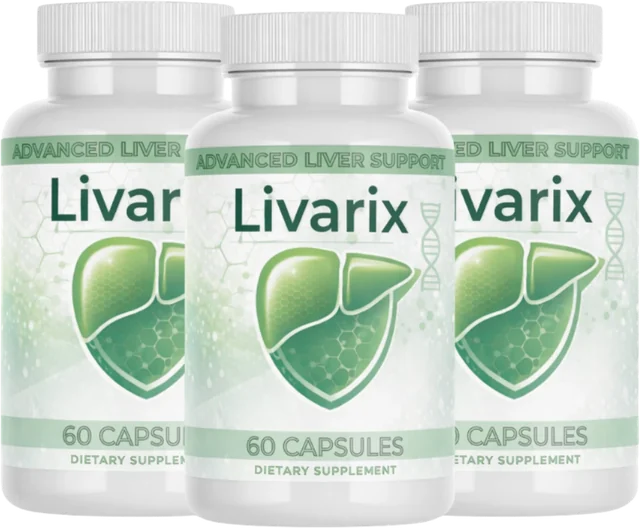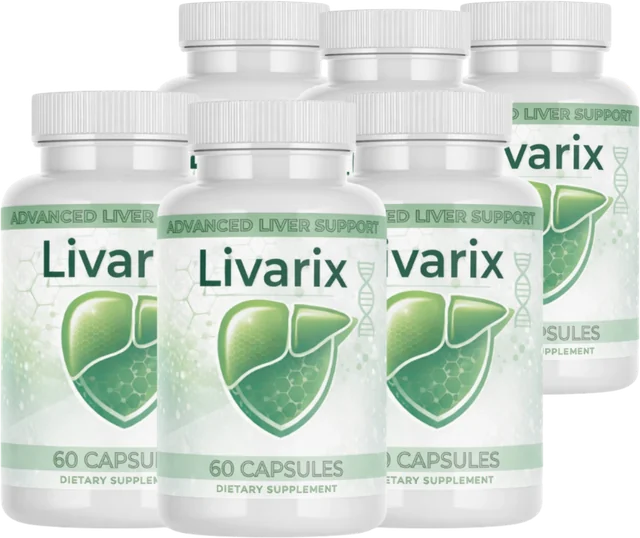
What are the Livarix Capsules ingredients?
The Livarix Capsules ingredients are eight items: turmeric root 300 mg, beet root 200 mg, dandelion leaf 100 mg, artichoke extract 50 mg, ginger root 50 mg, milk thistle 50 mg, alfalfa leaf 20 mg and L-cysteine HCl 10 mg, per the sales page. Those amounts add up to 780 mg.
The sales page does not say whether the amounts are per capsule or per two-capsule serving, and we did not see the Supplement Facts panel. We read 780 mg as a two-capsule serving, because that is the daily direction, but the panel on your bottle decides. Every amount on this site is marked "per the sales page" for that reason.
What does each ingredient do, according to sources?
According to the sources this site cites, none of the eight has strong human evidence for a liver benefit, and several carry specific cautions. The table gives a one-line summary for each; the linked pages have the detail.
| Ingredient | Amount (sales page) | What the cited source says | Main caution |
|---|---|---|---|
| Turmeric root powder | 300 mg | Research extensive but not strong enough to confirm a benefit[1] | Liver injury reported, including with plain powder |
| Beet root powder | 200 mg | Our sources cover its pigment, not liver use | Pink or red urine in about 10 to 14 percent of people |
| Dandelion leaf powder | 100 mg | Very little human research; no compelling evidence[2] | Theoretical medicine interactions |
| Artichoke extract | 50 mg | Accepted for indigestion on traditional use only[3] | Not for some liver or bile duct disorders |
| Ginger root powder | 50 mg | Not studied for this use in our source | Stomach upset, heartburn |
| Milk thistle powder | 50 mg | Insufficient evidence for liver conditions[4] | Allergy with ragweed or daisy allergy |
| Alfalfa leaf powder | 20 mg | Two small cholesterol trials | Avoid with lupus or gout, and in pregnancy |
| L-cysteine HCl | 10 mg | An amino acid; not studied at this amount in our sources | Ask if you take any medicine |
Label explorer: the eight named ingredients
ToolTap a name to see where it is listed, the amount given and what the cited sources say. Tiles are our illustrations, not product photos.
Which ingredient matters most for safety?
Turmeric matters most for safety, both because it is the largest amount and because of its liver record. LiverTox says turmeric appears to have become the most common cause of clinically apparent herbal-related liver injury in the United States.[5] Most cases involved highly absorbable curcumin products, but cases have also been described with plain ground turmeric powder and even turmeric tea.
That risk is uncommon, and most people who take turmeric have no liver problem. It is still the opposite of what a buyer of a liver-themed product wants, so it deserves a clear line: if you notice yellow skin or eyes, dark urine, pale stools, unusual tiredness, nausea or poor appetite while taking any turmeric product, stop and contact a doctor. The turmeric page and the liver warning signs page explain more.
Which ingredients belong to the daisy family?
Artichoke and milk thistle belong to the daisy family (Asteraceae), and dandelion is often grouped with them for allergy purposes. That matters if you are allergic to ragweed, chrysanthemums, marigolds or daisies.
NCCIH says allergic reactions to milk thistle are possible, especially in people allergic to those related plants.[4] The European Medicines Agency says artichoke leaf is not for people allergic to plants in the Asteraceae family. For dandelion, NCCIH says the evidence on cross-reaction with ragweed-family allergy is conflicting.[2] If you have a known allergy of this kind, ask your doctor before you start.
What do the amounts mean?
The amounts tell you how much of each powder or extract is in a serving, but not how much of any active compound. Turmeric root powder, for example, contains curcumin, and NCCIH notes that products vary widely in curcumin content.[1] The sales page does not give a curcumin figure.
Two amounts carry a little more detail:
- Artichoke extract is described as standardized to 5% cynarin. If that is accurate, 50 mg of extract holds about 2.5 mg of cynarin.
- Milk thistle is listed as a powder, not as a stated silymarin extract, so the amount of silymarin is unknown.
Neither figure tells you what the capsule will do. They help a pharmacist compare this product with others.
Why are the ingredient photos on this site illustrations?
The ingredient tiles on this site are our own simple illustrations, because the seller's ingredient photos did not match the formula. The photos supplied showed cayenne, cinnamon, licorice, yarrow, bitter melon, gymnema and mulberry, none of which is listed, plus dandelion root, while the list names dandelion leaf.
We did not use any of those photos. Showing plants that are not in the capsule would mislead you about what you are taking. If the seller supplies photos that match the eight listed ingredients, we will consider them.
Is anything else in the capsule?
We do not know what else is in the capsule, because we did not see the panel's "Other ingredients" line. Most capsules contain a shell, often gelatin or a plant-based material, and may contain small amounts of fillers or flow agents.
That matters if you avoid animal products, have food allergies or follow a religious diet. The FDA lists nine major food allergens that must be declared on food labels.[6] Read your bottle's panel for the shell and any allergen line, and ask the order desk in the seller's notes, +1 (302) 200-3480, if the panel is unclear. The supplement facts page explains what to look for.
Does the sales page match the seller's badges?
The sales page and the seller's badges agree on the broad picture but add claims we cannot check. The badges read "No Stimulants", "Natural Formula" and "Plant Based Blend", and the sales page adds "Non-GMO".
None of the eight named ingredients is a known caffeine source, which fits the stimulant badge, but we could not see the full panel. L-cysteine HCl is an amino acid salt rather than a plant, so "Plant Based Blend" is not quite accurate for every item. None of the badges appears on the front label we saw. The label claims page explains each one.
What do the ingredients have in common?
The eight ingredients are mostly common foods and herbs that have long been linked with digestion or the liver in traditional use. Turmeric and ginger are kitchen spices, beet and artichoke are vegetables, dandelion and alfalfa are leafy plants, milk thistle is a traditional herb, and L-cysteine is an amino acid found in protein foods.
Being familiar in food does not make a concentrated product safe for everyone. NCCIH notes that the liver and pregnancy concerns about turmeric relate mainly to supplement amounts, not cooking.[1] The NIH Office of Dietary Supplements says risks rise with high doses, with many products taken together and when supplements are used in place of medicines.[7]
How should I use this ingredient list?
Use this list to start a conversation with your doctor or pharmacist, not to decide on your own. Print it or show it on your phone, and add everything else you take.
Point out these items in particular:
- Turmeric, 300 mg, because of its liver record.
- Artichoke and milk thistle, if you have a daisy-family allergy or a gallbladder or bile duct problem.
- Dandelion, if you take a blood thinner, a diabetes medicine or a water pill.
- Alfalfa, if you have lupus, gout or a hormone-sensitive condition, or are pregnant.
The sales page itself tells readers to show the bottle to their doctor before taking it, especially if they take medication. The medicines page has a question builder for each medicine group.
Do the amounts match what studies use?
We cannot say whether the amounts match what studies use, because the sources we cite describe the evidence in general terms and do not set a standard dose for these uses. Comparing doses without that would be guesswork.
What we can say is that the amounts are modest for most items. Several are a few tens of milligrams, and the largest, turmeric, is a few hundred. A small amount does not mean no effect or no risk: LiverTox notes that the turmeric liver cases were idiosyncratic, meaning they are not simply a matter of taking too much.[5] Ask your pharmacist if you want a dose comparison for your situation.
Why does the serving size matter so much?
The serving size matters because it doubles or halves every amount. If the 780 mg on the sales page is per capsule, two capsules a day would give 600 mg of turmeric, not 300 mg; if it is per two-capsule serving, the figures stand as listed.
The sales page's ingredient table does not say which, and it gives the two-a-day direction elsewhere on the page. The panel on your bottle will show a serving size line and the amounts that go with it. Check it before your first dose, and tell your doctor the daily totals from the panel, not from this page.
Where can I read about each ingredient?
Each ingredient has its own page on this site, with its amount, what the sources say, its cautions and four to six common questions. Each page cites its sources at the foot.
- Turmeric root, 300 mg
- Beet root, 200 mg
- Dandelion leaf, 100 mg
- Artichoke extract, 50 mg
- Ginger root, 50 mg
- Milk thistle, 50 mg
- Alfalfa leaf, 20 mg
- L-cysteine HCl, 10 mg
Frequently asked questions
How many ingredients are in Livarix Capsules?
Eight, per the sales page: turmeric, beet root, dandelion, artichoke, ginger, milk thistle, alfalfa and L-cysteine.
What is the main ingredient in Livarix Capsules?
Turmeric root powder, at 300 mg per the sales page. It is also the ingredient with the most important safety note.
Are the Livarix Capsules ingredients natural?
Seven are plant powders or extracts; L-cysteine HCl is an amino acid salt. "Natural" is not a safety guarantee.
Does Livarix Capsules contain a proprietary blend?
No. The sales page lists an amount for every ingredient, with no hidden blend total.
Why do the Livarix Capsules ingredient photos not match?
The seller's photos showed plants not in the formula, so we used our own illustrations instead.
Medical review: Dr. Alexis David, MD, Physician. Review covers label accuracy and safety wording. It is not an endorsement. How review works.
Sources
- NCCIH: Turmeric. www.nccih.nih.gov
- NCCIH: Dandelion. www.nccih.nih.gov
- European Medicines Agency: Artichoke leaf (Cynarae folium) herbal summary. www.ema.europa.eu
- NCCIH: Milk Thistle. www.nccih.nih.gov
- LiverTox (NIDDK, NCBI Bookshelf): Turmeric. www.ncbi.nlm.nih.gov
- FDA: Food Allergies. www.fda.gov
- NIH Office of Dietary Supplements: Dietary Supplements: What You Need to Know. ods.od.nih.gov
Safety: Livarix Capsules is a dietary supplement, not a medicine. Follow the directions printed on your bottle (the sales page says two capsules a day with water, in the morning with food) and talk to your healthcare provider first, especially if you have a liver, gallbladder or bile duct condition, take any prescription medicine (including blood thinners, diabetes or blood pressure medicines and water pills), have lupus, gout or a hormone-sensitive condition, are allergic to ragweed or daisy-family plants, or are pregnant or nursing. Stop and call a doctor if you notice yellow skin or eyes, dark urine, unusual tiredness, nausea or poor appetite. Not for anyone under 18.
This site is an independent information site, not the manufacturer of Livarix Capsules. We may earn from order links on this site; order links are marked sponsored. *These statements have not been evaluated by the Food and Drug Administration. This product is not intended to diagnose, treat, cure or prevent any disease. Page updated November 25, 2026.