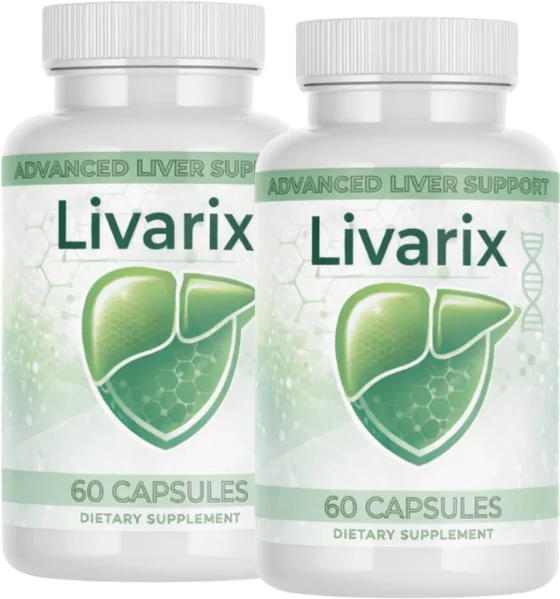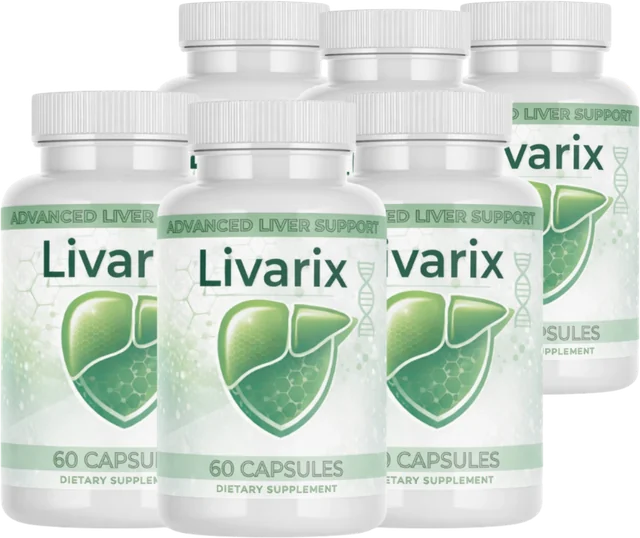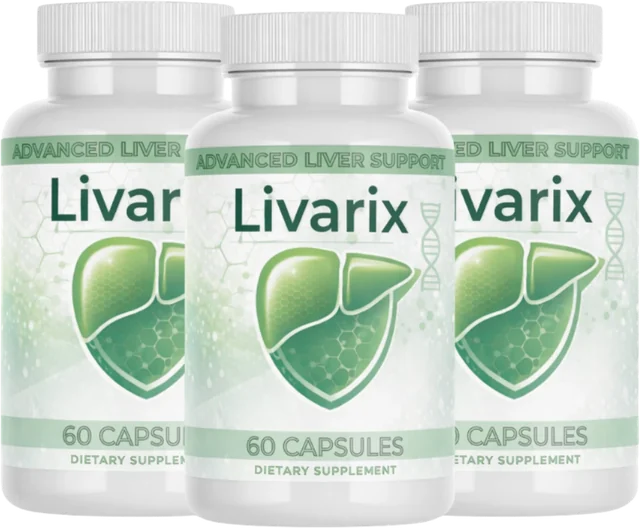
What are the liver warning signs to know with Livarix Capsules?
The liver warning signs to know with Livarix Capsules are yellow skin or yellow whites of the eyes, dark urine, pale stools, unusual tiredness, nausea, poor appetite, itching and pain in the upper right belly. If you notice any of them while taking any supplement, stop all supplements and contact a doctor.
This page exists because the largest ingredient in the product, turmeric root, has been linked to liver injury in some people. That is uncommon, and most people who take turmeric have no problem. But knowing the signs, and acting on them early, is what makes the difference between a mild problem and a serious one.
Liver warning-sign check
ToolNCCIH lists tiredness, nausea, poor appetite, dark urine and yellowing as signs to stop a turmeric product and call a provider; LiverTox notes many people have mild signs or none. Tick anything you have noticed since starting any supplement. Nothing is stored.
Why does this matter for a liver product?
It matters because turmeric, the ingredient listed in the largest amount, is the herb LiverTox most often links to supplement-related liver injury in the United States[1]. Most cases involved highly absorbable curcumin products, but LiverTox also describes cases with plain ground turmeric powder and even turmeric tea.
That is the opposite of what someone buying a product labelled "Advanced Liver Support" hopes for, so we say it plainly. The injury appears to be idiosyncratic, meaning it happens unpredictably to a small number of people rather than to anyone who takes too much. That is why a warning-sign list is more useful than a dose limit.
What should I do if I notice a sign?
If you notice a sign, stop taking Livarix Capsules and any other supplements, and contact a doctor the same day. NCCIH advises stopping a turmeric product and contacting a health care provider if you notice fatigue, nausea, poor appetite, dark urine or jaundice[2].
LiverTox gives two reasons to act quickly. A severe outcome is more likely if turmeric is continued after signs of liver injury appear,[1] and when supplement-related liver injury is suspected, the advice is to stop all supplements, even if symptoms are mild, because the course is hard to predict.[3]
- Stop the capsules, and any other supplements, today.
- Call your doctor, or go to urgent care if symptoms are severe.
- Take the bottle, or a photo of the panel, with you.
- List everything you take: medicines, supplements, teas and alcohol.
- Say when you started the capsules and when the symptoms began.
Which signs need urgent care?
Some signs need care the same day, and some need emergency care. This table separates them, but when in doubt, seek care sooner rather than later.
| Sign | What to do |
|---|---|
| Yellow skin or yellow whites of the eyes | Stop all supplements; see a doctor the same day |
| Dark urine, like tea or cola | Stop all supplements; see a doctor the same day |
| Pale or clay-coloured stools | Stop all supplements; see a doctor the same day |
| Confusion, unusual sleepiness, or bleeding or bruising easily | Emergency care now |
| Swelling of the belly, or vomiting blood | Emergency care now |
| New unusual tiredness, nausea or poor appetite | Stop the capsules; call your doctor |
| Itching all over with no rash | Stop the capsules; call your doctor |
| Pain in the upper right belly | Call your doctor; urgent care if severe |
LiverTox lists confusion, bleeding problems, fluid in the belly and jaundice among the signs of severe liver injury.[3] Those are emergencies.
Can liver injury happen without symptoms?
Yes. LiverTox notes that many people with supplement-related liver injury have mild symptoms or none, and that the only sign may be raised liver enzymes on a blood test[3]. You may feel completely well.
That is why it helps to tell your doctor that you take a turmeric product, especially if you have regular blood tests. If a routine test shows raised liver enzymes, your doctor will want to know about every supplement, so they can decide whether to stop it and repeat the test. LiverTox notes that providers often miss supplement use unless patients mention it.
How is red urine from beet root different?
Pink or red urine is different from dark urine, and in this product it may come from the beet root. About 10 to 14 percent of people pass pink or red urine after beets, which is called beeturia and is usually harmless[4].
Dark urine linked to the liver is usually brown, like tea or cola, not pink. If you are not sure which you are seeing, assume it is the more serious one and call your doctor. It is also worth knowing that red urine can sometimes be blood, which needs checking whatever the cause. The beet root page explains beeturia in more detail.
What should I tell the doctor?
Tell the doctor what you take, how much, since when, and what you have noticed. A short written list saves time and avoids gaps.
- The product name, Livarix Capsules, and the panel's turmeric amount.
- How many capsules a day, and the date you started.
- Every other medicine, supplement, herbal tea and over-the-counter product.
- How much alcohol you drink.
- The symptoms, when they started and whether they are getting worse.
- Any past liver problems, or past reactions to medicines or supplements.
LiverTox notes that most products on the market are mixtures, which makes it hard to tell which ingredient caused an injury.[3] Bringing the bottle helps your doctor see the whole list.
Should I restart the capsules after symptoms go away?
Do not restart without your doctor's advice. If your doctor thinks a supplement caused the problem, restarting it could cause it again.
Your doctor may suggest avoiding turmeric products in future. If so, check the labels of other supplements and teas too, because turmeric and curcumin appear in many of them.
Can I lower my risk?
You cannot remove the risk entirely, because turmeric liver injury appears to be unpredictable, but a few habits keep it as low as possible and help you catch a problem early.
- Take no more than the label says. The sales page's direction is two capsules a day.
- Do not combine it with other turmeric or curcumin products.
- Tell every doctor and pharmacist you see that you take it.
- Know the warning signs on this page, and keep the list somewhere you will see it.
- Ask your doctor whether a liver blood test before you start, and again later, makes sense.
- Review whether you still need it every couple of months.
NCCIH says standard oral forms of turmeric are likely safe at recommended amounts for up to 2 to 3 months, which is what has been studied. Longer use is not proven unsafe, but there is less evidence for it.
What if I took it for months with no problem?
If you have taken it for months with no symptoms, that is reassuring, but it does not rule out a problem that shows only on a blood test. LiverTox notes that many people with supplement-related liver injury have mild symptoms or none.
So keep watching for the signs, keep your doctor informed, and mention the capsules at any routine blood test. If a result comes back with raised liver enzymes, your doctor may ask you to stop the capsules and repeat the test; follow that advice.
How do I report a problem?
After you have seen a doctor, you can report the problem to the FDA through its Safety Reporting Portal, which takes reports from consumers about dietary supplements[5]. Reports help the agency spot problems across many products.
Tell the seller too, with your order ID and the bottle's lot code if it shows one. If you want a refund, the sales page offers a 60-day guarantee, and the refund policy page explains the steps. Keep the bottle; your doctor or the FDA may ask about it.
Who is at higher risk?
LiverTox describes turmeric liver injury as idiosyncratic, so anyone can be affected, and we have no source that names a high-risk group for this product. But some people have more reason to ask first:
- People with an existing liver condition, or past liver injury from a medicine or supplement.
- People who drink alcohol heavily.
- People who take other medicines or supplements that can affect the liver.
- People taking more than one turmeric or curcumin product at once.
If any of these applies to you, ask your doctor before you start. The safety page covers the other ingredients' cautions.
Is Livarix Capsules a medicine for liver problems?
No. It is a dietary supplement, and a supplement may not claim to diagnose a disease or act as a medicine for one. The FDA does not approve supplements for safety or effectiveness before they are sold.[6]
If you have a liver condition, or are worried about your liver, see your doctor. They can check your liver with a blood test and advise you on what will actually help. The turmeric page explains the main ingredient's evidence and cautions in more detail.
Frequently asked questions
What are the first signs of liver trouble from a supplement?
Often tiredness, nausea or poor appetite, then dark urine or yellowing. Many people have no symptoms at all.
Should I stop Livarix Capsules if my urine is dark?
Yes. Stop all supplements and contact a doctor the same day. Dark urine like tea or cola can be a liver sign.
Is pink urine on Livarix Capsules a liver sign?
Usually not. Pink or red urine after beets is called beeturia and is usually harmless. Dark brown urine is different.
Can a blood test show liver injury from Livarix Capsules?
A liver blood test can show raised enzymes. Tell your doctor you take a turmeric product so they can read the result.
Is liver injury from turmeric permanent?
LiverTox says most cases resolve within one to three months of stopping. Stopping early matters.
Medical review: Dr. Alexis David, MD, Physician. Review covers label accuracy and safety wording. It is not an endorsement. How review works.
Sources
- LiverTox (NIDDK, NCBI Bookshelf): Turmeric. www.ncbi.nlm.nih.gov
- NCCIH: Turmeric. www.nccih.nih.gov
- LiverTox (NIDDK, NCBI Bookshelf): Herbal and Dietary Supplements. www.ncbi.nlm.nih.gov
- StatPearls (NCBI Bookshelf): Beeturia. www.ncbi.nlm.nih.gov
- FDA: How to Report a Problem with Dietary Supplements. www.fda.gov
- FDA: FDA 101: Dietary Supplements. www.fda.gov
Safety: Livarix Capsules is a dietary supplement, not a medicine. Follow the directions printed on your bottle (the sales page says two capsules a day with water, in the morning with food) and talk to your healthcare provider first, especially if you have a liver, gallbladder or bile duct condition, take any prescription medicine (including blood thinners, diabetes or blood pressure medicines and water pills), have lupus, gout or a hormone-sensitive condition, are allergic to ragweed or daisy-family plants, or are pregnant or nursing. Stop and call a doctor if you notice yellow skin or eyes, dark urine, unusual tiredness, nausea or poor appetite. Not for anyone under 18.
This site is an independent information site, not the manufacturer of Livarix Capsules. We may earn from order links on this site; order links are marked sponsored. *These statements have not been evaluated by the Food and Drug Administration. This product is not intended to diagnose, treat, cure or prevent any disease. Page updated November 25, 2026.