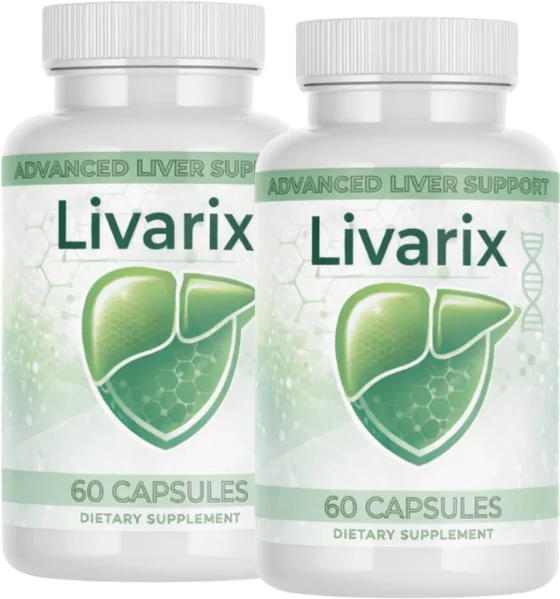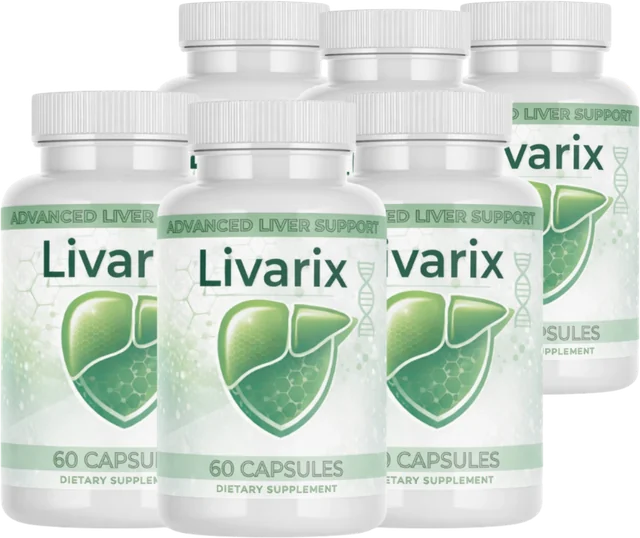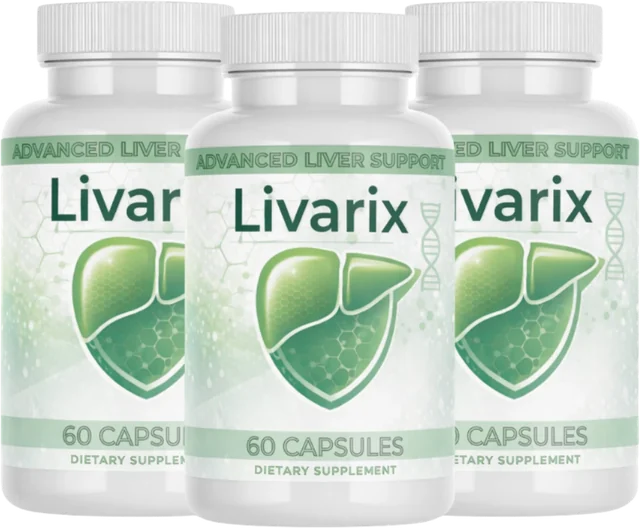
What do Livarix Capsules reviews say?
The Livarix Capsules reviews on this site are three short stories that the seller supplied, each with a photo, a first name, an age, a city, a pack size and a day count. None is verified by us, none says what the capsules did for the person, and we show no average rating.
They read like notes about a routine: where the bottle is kept and when the capsules are taken. That is all they are, and we present them that way. This page explains how we handle them, what we flagged and how to judge reviews you find anywhere else.

Sandra K.
seller-supplied rating
Two capsules with morning water. Routine stuck. I keep it by the kettle. I take it before I open email.
Supplied by the seller. Not verified by us.Photo check: the supplied photo may look younger than the stated age; the owner must confirm photo, name and consent.

Michael T.
seller-supplied rating
Slow habit, fair. I keep it on the charging pad. I take it after I walk the dog.
Supplied by the seller. Not verified by us.Photo check: the supplied photo may look younger than the stated age; the owner must confirm photo, name and consent.

Patricia W.
seller-supplied rating
Wanted week-one drama. No. I keep it in the lunch tote. I take it when the bus app opens.
Supplied by the seller. Not verified by us.
No average rating is shown and no rating is added to the product schema. How we handle reviews.
Why are the reviews not verified?
They are not verified because we have no way to confirm that the people exist, that they bought the product, or that the words and photos are theirs. The seller supplied the text and the photos together, and we have no order records or contact details for anyone named.
So every card carries the same label: "Supplied by the seller. Not verified by us." We did not edit the words. If the seller later supplies proof of purchase and consent for a card, we will say so on that card.
What did we flag about the photos?
We flagged two of the three photos because the people shown may look younger than the ages given on the cards. Sandra K. is listed as 56 and Michael T. as 58; their photos may suggest people in their forties. Patricia W.'s photo did not raise the same question.
We cannot judge anyone's age from a photo, and we may be wrong. We flag it because a mismatch between a photo and a story is one of the signs readers use to judge whether a review is genuine, and you deserve to see what we saw. The site owner has been asked to confirm the photos, names and consent.
How do we handle reviews in general?
We handle reviews under a few fixed rules, so that a card can never be mistaken for evidence. These apply to every review on the site:
- Only reviews supplied by the seller appear, each labelled "Supplied by the seller. Not verified by us."
- No average rating appears anywhere, and no rating is added to the page's search data.
- No review describes a result, a timeline or a change in any condition.
- Photos that may not match the card are flagged on the card.
- We never write, buy or invent reviews.
The FTC finalized a rule in 2024 that bans fake and bought reviews and testimonials.[1] Showing fewer reviews, clearly labelled, is better than showing many that a reader cannot trust.
What is on the sales page that we do not show?
The sales page shows a five-star graphic with a large review count, a row of health-website logos under an "as featured" heading, and more testimonials than the three on this site. Some of those testimonials describe changes within set numbers of weeks or months, including figures about weight and liver tests.
We do not repeat any of them. A review count with stars proves nothing without a way to check it. The logos are not explained, so we could not tell what, if anything, was featured, and we name no outside site. Stories that put a timeline on a health change are exactly the kind of claim that needs strong evidence, and the FTC says health claims need competent and reliable scientific evidence, not anecdotes.[2]
How should I read reviews I find elsewhere?
Read every review as one person's report that you cannot check, and look for the signs that make it more or less believable. No single sign proves anything; together they help.
| Sign | Why it matters |
|---|---|
| The review names a time frame for a health change | Health changes have many causes; one person's timeline is not evidence |
| The photo does not fit the story | A common sign of a stock or reused image |
| Many reviews use the same phrases | Can point to written or bought reviews |
| The review links to a "special offer" | It may be an ad, not a review |
| The reviewer mentions side effects or a refund | Mixed reviews are often more realistic |
| The site that hosts it explains how it checks reviews | Some checking is better than none |
If a review mentions a reaction, read it closely and talk to your doctor. A real problem described in a review is worth taking seriously even if the review is unverified.
What would make a review useful?
A review would be useful if it came from a verified buyer, gave the pack size and how long they took the capsules, described what they noticed without claiming a cause, and mentioned any other supplements or medicines. Even then, it would tell you about one person, not about you.
Your own situation matters far more. The sales page itself says to show the bottle to your doctor before taking it, especially if you take medication. Your doctor can weigh the eight ingredients against your health and medicines in a way no review can. The medicines page has questions to take along.
Are there reports of side effects?
None of the three seller cards mentions a side effect, and we found no verified reports to show. The sources this site cites do list possible effects for several of the named ingredients, which is a better guide than reviews.
For example, NCCIH lists nausea, heartburn, stomach upset, diarrhea and constipation for oral turmeric, and notes that liver injury has been reported in some people taking certain turmeric products.[3] Milk thistle can cause bloating, nausea and gas, and artichoke can cause mild diarrhea, nausea and heartburn. The side effects page lists each ingredient's notes with its source.
Why does a liver product need extra care with reviews?
A liver product needs extra care because the most important effects may not be noticeable at all. LiverTox notes that many people with supplement-related liver injury have mild symptoms or none, with only raised liver enzymes on a blood test.[4] A reviewer who feels fine cannot know what a blood test would show.
That cuts both ways. A glowing review cannot tell you the product is safe for your liver, and a review that blames the product for a test result cannot prove it either. If liver health is why you are looking at this product, a conversation with your doctor, and perhaps a blood test, will tell you far more than any number of stories.
Should I leave a review?
If you take the product, the most useful thing you can share is your experience with the order: how long shipping took, whether the bottle matched the photos, and how the order desk handled any question. Those are facts others can use.
If you have a health problem while taking any supplement, tell your doctor first. You can also report it to the FDA through its Safety Reporting Portal, which takes reports from consumers.[5] A report to the FDA reaches people who track problems across many products, which a review on a sales page does not.
Why do the review cards mention where people keep the bottle?
The seller's stories focus on routine, such as keeping the bottle by the kettle or in a lunch bag, and taking it at a set moment. We kept them as written. They are not advice, but they reflect something true about any daily supplement: a routine helps you take it as directed.
The sales page's direction is two capsules a day with a large glass of water, preferably in the morning with food. If you take it, a fixed time with breakfast is the easiest way to follow that. The how to take it page explains the directions, and the two-capsule tracker on the home page counts days if you want it to.
What about the day counts on the cards?
Each card shows a day count, such as day 22 or day 52, which tells you how long the person says they had been taking the capsules. It is not a result timeline, and we would remove it if it were.
Day counts can still help you place a story. A person on day 22 has used less than one bottle at two a day; a person on day 52 is near the end of a 60-day window. Neither says anything about what the capsules did.
How do reviews fit with the guarantee?
Reviews and the guarantee answer different questions. Reviews are other people's stories; the guarantee is the seller's promise about your money. Neither tells you whether the product suits you.
The sales page offers a 60-day money-back guarantee, and the seller's notes describe how to claim it. If you decide to try the product, keep the order email and every bottle, even empty ones. The guarantee page sets out the different versions of the process.
Frequently asked questions
Are Livarix Capsules reviews real?
We cannot confirm it. The three cards on this site were supplied by the seller and are labelled not verified by us.
What is the Livarix Capsules rating?
We show no rating. The sales page shows stars and a review count we could not check, so we do not repeat them.
Do Livarix Capsules reviews mention side effects?
The three seller cards do not. The side effects page lists what sources say about each ingredient.
Why are some Livarix Capsules review photos flagged?
Two photos may look younger than the ages given. We flag it so readers can judge, and the owner has been asked to confirm them.
Can I trust star ratings for Livarix Capsules?
A star count without a way to check who left the stars proves little. The FTC bans fake and bought reviews.
Medical review: Dr. Alexis David, MD, Physician. Review covers label accuracy and safety wording. It is not an endorsement. How review works.
Sources
- FTC: Final rule banning fake reviews and testimonials (2024). www.ftc.gov
- FTC: Health Products Compliance Guidance. www.ftc.gov
- NCCIH: Turmeric. www.nccih.nih.gov
- LiverTox (NIDDK, NCBI Bookshelf): Herbal and Dietary Supplements. www.ncbi.nlm.nih.gov
- FDA: How to Report a Problem with Dietary Supplements. www.fda.gov
Safety: Livarix Capsules is a dietary supplement, not a medicine. Follow the directions printed on your bottle (the sales page says two capsules a day with water, in the morning with food) and talk to your healthcare provider first, especially if you have a liver, gallbladder or bile duct condition, take any prescription medicine (including blood thinners, diabetes or blood pressure medicines and water pills), have lupus, gout or a hormone-sensitive condition, are allergic to ragweed or daisy-family plants, or are pregnant or nursing. Stop and call a doctor if you notice yellow skin or eyes, dark urine, unusual tiredness, nausea or poor appetite. Not for anyone under 18.
This site is an independent information site, not the manufacturer of Livarix Capsules. We may earn from order links on this site; order links are marked sponsored. *These statements have not been evaluated by the Food and Drug Administration. This product is not intended to diagnose, treat, cure or prevent any disease. Page updated November 25, 2026.