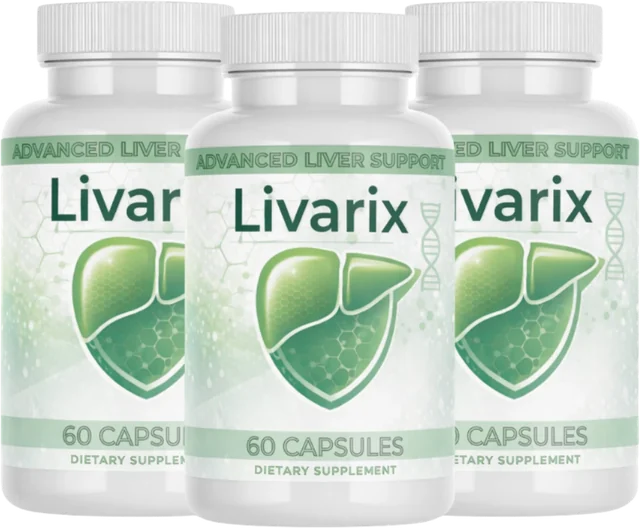
How much milk thistle is in Livarix Capsules?
The sales page lists 50 mg of milk thistle powder in Livarix Capsules. It gives no silymarin figure and does not say whether the 50 mg is per capsule or per two-capsule serving, so check the panel on your bottle.
Milk thistle is a flowering plant whose seeds contain a group of compounds known together as silymarin. It is one of the herbs most often linked with the liver in traditional use and in supplement marketing. In this product it is a small part of the formula: 50 of the 780 mg listed, and the same amount as artichoke and ginger.

What does the evidence say about milk thistle?
The evidence on milk thistle for liver conditions is insufficient for firm conclusions, according to NCCIH.[1] Trials in alcohol-related liver disease, hepatitis B and C, non-alcoholic fatty liver disease and liver problems linked to chemotherapy or poisoning have been conflicting or too limited.
Two studies funded by NCCIH, one in hepatitis C and one in non-alcoholic steatohepatitis, a more serious form of fatty liver disease, found no benefit from silymarin. That is an important result, because those were the kind of careful trials that would have shown a benefit if a large one existed.
| Question | What the source says |
|---|---|
| Does it help liver conditions? | Evidence insufficient; trials conflicting or limited (NCCIH) |
| Did the best trials find a benefit? | Two NIH-funded trials found no benefit from silymarin (NCCIH) |
| Does it cause liver injury? | It has not been implicated in causing liver injury (LiverTox) |
| Is it well tolerated? | It appears to be well tolerated by mouth (NCCIH) |
Is milk thistle safe for the liver?
Milk thistle has a good safety record for the liver. LiverTox says it has not been implicated in causing liver injury and gives it its lowest likelihood score as a cause of clinically apparent liver injury.[2] NCCIH says that taken by mouth it appears to be well tolerated.
That makes milk thistle quite different from turmeric, the largest ingredient in this product, which LiverTox links to liver injury in some people. If you are weighing the product for liver reasons, the milk thistle in it is one of the lower-risk items, but it is also a small amount with little evidence behind it. The turmeric page covers the bigger caution.
What does 50 mg of powder mean?
Fifty milligrams of powder is a small amount, and because it is powder rather than a standardized extract, the amount of silymarin in it is unknown. Many milk thistle supplements are sold as extracts with a stated silymarin percentage; this one is not.
NCCIH also notes a quality problem with milk thistle products in general: some contain silymarin amounts that differ from their labels, and some have been contaminated with pesticides, microbes or mycotoxins, which are harmful substances made by moulds.[1] A small, unstandardized amount gives you little to compare. If milk thistle is the ingredient that drew you to this product, ask your pharmacist how 50 mg of powder compares with products you have used before.
What side effects can milk thistle cause?
The most common side effects of milk thistle are digestive: bloating, nausea and gas, according to NCCIH.[1] They are usually mild.
Because this product combines milk thistle with seven other ingredients, a stomach upset could come from any of them. Turmeric, ginger and artichoke can also upset the stomach, as their pages explain. If you notice digestive symptoms, take the capsules with food as the sales page directs, and stop and ask your pharmacist if they continue. The side effects page lists each ingredient's notes.
Who might be allergic to milk thistle?
People allergic to plants in the daisy family are most likely to react to milk thistle. NCCIH says allergic reactions are possible, especially in people allergic to related plants such as ragweed, chrysanthemum, marigold and daisy.[1]
This product also contains artichoke, another member of the daisy family, and dandelion, which is often grouped with them. If you have hay fever triggered by ragweed, or have reacted to chamomile, echinacea or similar herbs, ask your doctor before you start. Stop and seek help for signs of an allergic reaction, such as a rash, swelling of the lips or face, or trouble breathing.
- Ragweed or hay fever allergy: ask first.
- Known reaction to daisies, marigolds or chrysanthemums: ask first.
- Swelling, wheezing or trouble breathing after a dose: seek urgent care.
Does milk thistle interact with medicines?
NCCIH asks anyone who takes medicine to talk to a health care provider before using milk thistle, because some herbs and medicines interact harmfully.[1] It does not list specific interactions on its consumer page.
NCCIH also notes that a small number of studies suggest milk thistle extracts may affect blood sugar in people with type 2 diabetes, though most of that research came from one region and may not apply elsewhere. If you take a diabetes medicine, mention the milk thistle, and the dandelion and alfalfa in this product, to your pharmacist. The medicines page has a question builder.
Is milk thistle safe in pregnancy?
Little is known about the safety of milk thistle during pregnancy or breastfeeding, according to NCCIH, and it is unclear whether it affects breast milk.[1] Ask your doctor or midwife before taking any product that contains it if you are pregnant or nursing.
Other ingredients in this product carry stronger pregnancy cautions, including turmeric and alfalfa. The pregnancy and nursing page explains each one.
What does the sales page say about milk thistle?
The sales page gives milk thistle a role in liver cell renewal. We do not repeat that wording as a fact, because the sources we cite do not support it: NCCIH describes the evidence for liver conditions as insufficient, and the two trials it funded found no benefit.
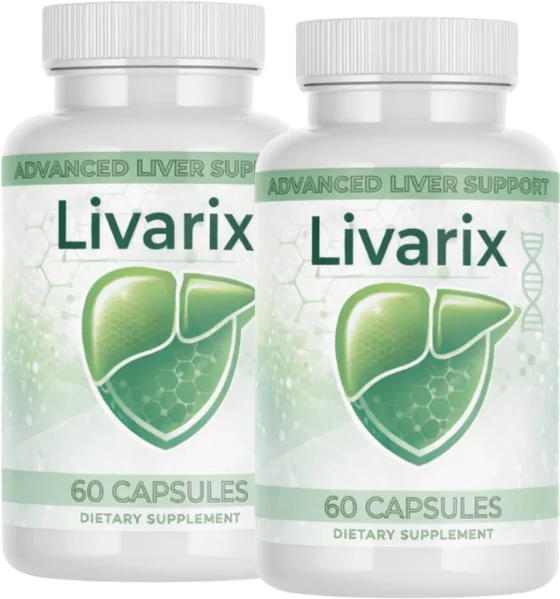
The label itself makes no specific claim about milk thistle. Its only wording about the body is "Advanced Liver Support" on the front, which is general marketing language. The label claims page explains how that kind of wording is regulated.
How does milk thistle compare with the other ingredients?
Milk thistle has one of the better safety records among the eight ingredients and one of the weaker evidence records for the use on the label. The table puts it beside the others in this product with liver associations.
| Ingredient | Amount (sales page) | Evidence for liver use in our sources | Liver safety note |
|---|---|---|---|
| Turmeric root | 300 mg | Not strong enough to confirm a benefit | Most common herbal cause of liver injury in the US (LiverTox) |
| Milk thistle | 50 mg | Insufficient; two trials found no benefit | Not implicated in liver injury (LiverTox) |
| Artichoke | 50 mg | Accepted only for indigestion, on traditional use | Not for some liver and bile duct disorders (EMA) |
| Dandelion leaf | 100 mg | No compelling evidence for any condition | Little known at larger amounts |
The ingredients page has the full list.
Why is milk thistle in so many liver products?
Milk thistle appears in many liver products because of its long traditional use and its reputation, not because trials have confirmed a benefit. LiverTox notes that it is still used widely as a liver tonic in patients with acute and chronic liver diseases,[2] while NCCIH, as above, finds the evidence for liver conditions insufficient.
Reputation is not evidence. A herb can be popular, well tolerated and still not do what people hope. That is the fair summary of milk thistle in the sources we cite: low risk to the liver, little proof of benefit. Knowing both lets you decide whether it is worth paying for, and whether the other seven ingredients change that picture.
Should I take milk thistle if I have liver disease?
If you have liver disease, talk to your liver doctor before taking milk thistle or any other supplement, and do not use it in place of the care they recommend. The NIH Office of Dietary Supplements warns that risks rise when supplements are used instead of prescribed medicines.[3]
LiverTox notes that up to 40 percent of people attending liver clinics use supplements, and that most do not tell their primary care provider.[4] Telling your doctor matters, because the other ingredients in this product, especially turmeric, carry liver cautions of their own. Bring the bottle to your next appointment.
What should I check on the panel?
On the panel, check the milk thistle line for the amount, whether it is powder or extract, and any silymarin figure. Also check the serving size, which tells you whether the 50 mg is per capsule or per two capsules.
If the panel shows a different form or amount from the sales page, follow the panel and tell your pharmacist the panel's figures. The supplement facts page explains how to read each line.
Frequently asked questions
Does Livarix Capsules contain silymarin?
It contains milk thistle powder, which contains silymarin. No silymarin amount is given on the sales page.
Is 50 mg of milk thistle a lot?
It is a small amount, and unstandardized. Ask your pharmacist how it compares with products you know.
Can milk thistle in Livarix Capsules hurt my liver?
LiverTox says milk thistle has not been implicated in causing liver injury. The turmeric in the product carries the bigger liver caution.
Is milk thistle safe if I have a ragweed allergy?
Ask your doctor first. NCCIH says allergic reactions are possible, especially in people allergic to ragweed and related plants.
Does milk thistle in Livarix Capsules affect blood sugar?
A few small studies suggest milk thistle extracts may affect blood sugar in type 2 diabetes. Tell your pharmacist if you take a diabetes medicine.
Medical review: Dr. Alexis David, MD, Physician. Review covers label accuracy and safety wording. It is not an endorsement. How review works.
Sources
- NCCIH: Milk Thistle. www.nccih.nih.gov
- LiverTox (NIDDK, NCBI Bookshelf): Milk Thistle. www.ncbi.nlm.nih.gov
- NIH Office of Dietary Supplements: Dietary Supplements: What You Need to Know. ods.od.nih.gov
- LiverTox (NIDDK, NCBI Bookshelf): Herbal and Dietary Supplements. www.ncbi.nlm.nih.gov
Safety: Livarix Capsules is a dietary supplement, not a medicine. Follow the directions printed on your bottle (the sales page says two capsules a day with water, in the morning with food) and talk to your healthcare provider first, especially if you have a liver, gallbladder or bile duct condition, take any prescription medicine (including blood thinners, diabetes or blood pressure medicines and water pills), have lupus, gout or a hormone-sensitive condition, are allergic to ragweed or daisy-family plants, or are pregnant or nursing. Stop and call a doctor if you notice yellow skin or eyes, dark urine, unusual tiredness, nausea or poor appetite. Not for anyone under 18.
This site is an independent information site, not the manufacturer of Livarix Capsules. We may earn from order links on this site; order links are marked sponsored. *These statements have not been evaluated by the Food and Drug Administration. This product is not intended to diagnose, treat, cure or prevent any disease. Page updated November 25, 2026.