Can I take Livarix Capsules while pregnant or nursing?
Ask your doctor or midwife before taking Livarix Capsules if you are pregnant, trying to conceive or breastfeeding. Two of its eight ingredients carry clear cautions: NCCIH says turmeric supplements may be unsafe in pregnancy, and Memorial Sloan Kettering advises avoiding alfalfa during pregnancy and breastfeeding.
For most of the other ingredients, our sources say little is known about safety in pregnancy or breastfeeding at supplement amounts. "Little is known" is not the same as "safe". It means the studies have not been done, which is common for herbal products, and it is a reason to be cautious when the stakes include a baby.
What do the sources say for each ingredient?
The sources say different things for each ingredient, from a clear "avoid" to "not addressed". The table brings them together.
| Ingredient | What the source says about pregnancy and breastfeeding | Source |
|---|---|---|
| Turmeric root | Supplements may be unsafe in pregnancy; little known above food amounts while breastfeeding | NCCIH |
| Alfalfa leaf | Avoid during pregnancy and breastfeeding, because of hormonal effects | Memorial Sloan Kettering |
| Milk thistle | Little known in pregnancy or breastfeeding; unclear whether it affects breast milk | NCCIH |
| Dandelion leaf | Little known above food amounts in pregnancy or breastfeeding | NCCIH |
| Ginger root | Talk to a provider before using in pregnancy | NCCIH |
| Artichoke extract | Not addressed in our source | European Medicines Agency summary |
| Beet root | Not addressed in our sources at supplement amounts | — |
| L-cysteine HCl | Not addressed in our sources at supplement amounts | — |
Why is turmeric a concern in pregnancy?
NCCIH says the use of turmeric supplements during pregnancy may be unsafe[1]. It adds that the concern relates mainly to supplement-level or concentrated amounts, not to cooking with turmeric.
Turmeric is the largest ingredient in this product, at 300 mg per the sales page. Separately, LiverTox describes turmeric as the most common cause of herbal-related liver injury in the US, which is a reason for caution at any time. If you enjoy turmeric in food, that is a different matter; ask your midwife if you are unsure.
Why is alfalfa a concern?
Memorial Sloan Kettering advises avoiding alfalfa during pregnancy and breastfeeding because of its hormonal effects[2]. Alfalfa contains plant estrogens, compounds that can act a little like estrogen in the body.
The alfalfa in this product is only 20 mg, and the source does not set a safe amount in pregnancy. With a clear "avoid" from the source and no evidence that small amounts are fine, the cautious choice is to wait until you have spoken to your doctor or midwife.
What about trying to conceive?
If you are trying to conceive, think of it the same way as early pregnancy, because you may be pregnant before you know it. Ask your doctor or midwife before taking Livarix Capsules.
That is general good practice with supplements, not a specific finding about this product. Your doctor may also want you on a prenatal supplement with folic acid, which is a different kind of product with its own evidence. Do not swap one for the other without advice. If you already take a prenatal vitamin, add it to the list you show your doctor, along with any other supplements, teas and medicines.
What about breastfeeding?
If you are breastfeeding, ask before taking Livarix Capsules. Memorial Sloan Kettering advises avoiding alfalfa while breastfeeding, and NCCIH says little is known about turmeric above food amounts while breastfeeding[1] and about milk thistle and dandelion during breastfeeding.
NCCIH also notes it is unclear whether milk thistle affects breast milk production. Your baby's doctor or a lactation consultant can help you weigh any supplement. Bring the bottle or a photo of the panel.
What about morning sickness and ginger?
Ginger is often discussed for morning sickness, but that is a separate question from taking this product. NCCIH says to talk to a health care provider before using ginger in pregnancy, and this capsule combines a small amount of ginger with seven other ingredients, two of which carry pregnancy cautions.
If nausea in pregnancy is what you want help with, ask your midwife or doctor about options made and studied for that purpose. Do not take a multi-ingredient liver supplement for morning sickness on the strength of one ingredient.
What about liver changes in pregnancy?
Some liver and gallbladder problems can arise during pregnancy, and they need a doctor, not a supplement. If you notice itching, especially on the hands and feet, yellow skin or eyes, dark urine or pain in the upper right belly while pregnant, contact your midwife or doctor promptly.
A product labelled "Advanced Liver Support" is not a way to manage liver symptoms in pregnancy. Our sources make no claim that any of its ingredients helps, and two carry pregnancy cautions. The FDA notes that supplements may not claim to diagnose or act as a medicine for a disease.[3]
Why do so many sources say "little is known"?
So many sources say "little is known" because pregnant and breastfeeding women are rarely included in studies of herbal supplements, for good ethical reasons. That leaves a gap for most plant products, not just these.
The practical effect is that no one can tell you these ingredients are safe at supplement amounts in pregnancy, because the evidence does not exist. When the downside could affect a baby, the absence of evidence is a reason to wait or to ask, not a reason to go ahead.
Is it safe after pregnancy?
After pregnancy and once you have stopped breastfeeding, the pregnancy-specific cautions no longer apply, but the general ones do. Turmeric's liver note, artichoke's limits for liver and bile duct conditions, and alfalfa's notes for lupus, gout and hormone-sensitive conditions all still stand.
If you developed a liver or gallbladder problem during pregnancy, such as gallstones, tell your doctor before starting. The safety page lists every caution.
What should I ask my doctor or midwife?
Ask whether any of the eight ingredients is a concern for you now, and whether waiting until after pregnancy or breastfeeding would be wiser. Bring the bottle, or a photo of the panel.
- Is it safe for me to take a turmeric supplement at this stage?
- The source says to avoid alfalfa in pregnancy and breastfeeding. Should I avoid this product?
- Is anything here likely to interact with my prenatal vitamins or other medicines?
- If I want to try it later, when would be a sensible time?
The NIH Office of Dietary Supplements advises telling every health care provider about the supplements you take.[4] In pregnancy that includes your midwife, obstetrician and pharmacist.
Does the label say anything about pregnancy?
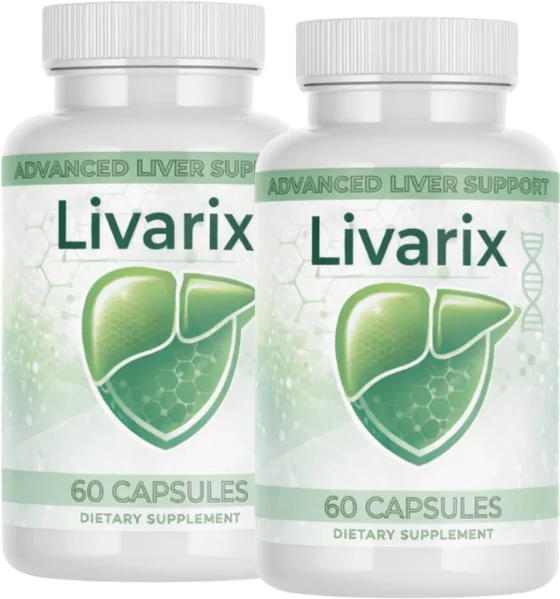
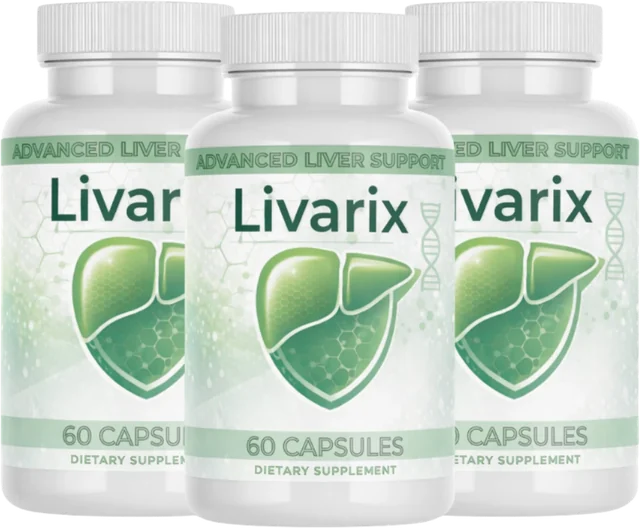
We could not see the bottle's warnings, so we cannot say what the label prints about pregnancy. The sales page's only warning is to show the bottle to your doctor before taking it, especially if you take medication. The seller's notes say adults 18 and over.
Read the warnings on your own bottle. If they say nothing about pregnancy or breastfeeding, that is not a sign that it is safe. It may simply mean the label is brief. Use this page and your midwife's advice instead.
Is "natural" safer in pregnancy?
No. "Natural" does not mean safe in pregnancy. Several plant ingredients carry pregnancy cautions precisely because of compounds they naturally contain, such as the plant estrogens in alfalfa.
The FDA does not approve dietary supplements for safety or effectiveness before they are sold, and firms are responsible for their own products and labels.[5] No one checks a supplement for pregnancy safety before it reaches the shelf. That is why your midwife's advice matters more than a badge.
What if I took some before I knew I was pregnant?
If you took some capsules before you knew you were pregnant, do not panic. Stop taking them and tell your doctor or midwife at your next appointment, or sooner if you are worried. Bring the bottle so they can see the ingredients and amounts.
Most concerns in our sources are about regular supplement use, and your care team can advise you based on how much you took and when. If you notice any warning sign of liver trouble, such as yellow skin or eyes or dark urine, contact a doctor the same day. The liver warning signs page explains what to look for.
Can I get a refund if I become pregnant?
Yes, if you are inside the sales page's 60-day window. The guarantee is described as 100% money back within 60 days, and you do not need to give a reason. Keep every bottle, even empty ones, as the sales page FAQ says bottles are returned.
The guarantee page and the refund policy page explain the steps and what the seller's notes say about postage.
Frequently asked questions
Should I avoid Livarix Capsules while pregnant?
Ask your doctor first. NCCIH says turmeric supplements may be unsafe in pregnancy, and Memorial Sloan Kettering advises avoiding alfalfa.
Can I take Livarix Capsules while breastfeeding?
Ask first. Memorial Sloan Kettering advises avoiding alfalfa while breastfeeding, and little is known about several other ingredients.
Is turmeric in food safe in pregnancy?
NCCIH says its pregnancy concern relates mainly to supplement amounts, not cooking. Ask your midwife if unsure.
Should I stop Livarix Capsules if I am trying to conceive?
Ask your doctor. It is sensible to handle trying to conceive like early pregnancy.
Does the Livarix Capsules label warn about pregnancy?
We could not see the warnings. Read your bottle, and do not take a missing warning as a sign of safety.
Medical review: Dr. Alexis David, MD, Physician. Review covers label accuracy and safety wording. It is not an endorsement. How review works.
Sources
- NCCIH: Turmeric. www.nccih.nih.gov
- Memorial Sloan Kettering: Alfalfa (About Herbs). www.mskcc.org
- FDA: Structure/Function Claims. www.fda.gov
- NIH Office of Dietary Supplements: Dietary Supplements: What You Need to Know. ods.od.nih.gov
- FDA: FDA 101: Dietary Supplements. www.fda.gov
Safety: Livarix Capsules is a dietary supplement, not a medicine. Follow the directions printed on your bottle (the sales page says two capsules a day with water, in the morning with food) and talk to your healthcare provider first, especially if you have a liver, gallbladder or bile duct condition, take any prescription medicine (including blood thinners, diabetes or blood pressure medicines and water pills), have lupus, gout or a hormone-sensitive condition, are allergic to ragweed or daisy-family plants, or are pregnant or nursing. Stop and call a doctor if you notice yellow skin or eyes, dark urine, unusual tiredness, nausea or poor appetite. Not for anyone under 18.
This site is an independent information site, not the manufacturer of Livarix Capsules. We may earn from order links on this site; order links are marked sponsored. *These statements have not been evaluated by the Food and Drug Administration. This product is not intended to diagnose, treat, cure or prevent any disease. Page updated November 25, 2026.