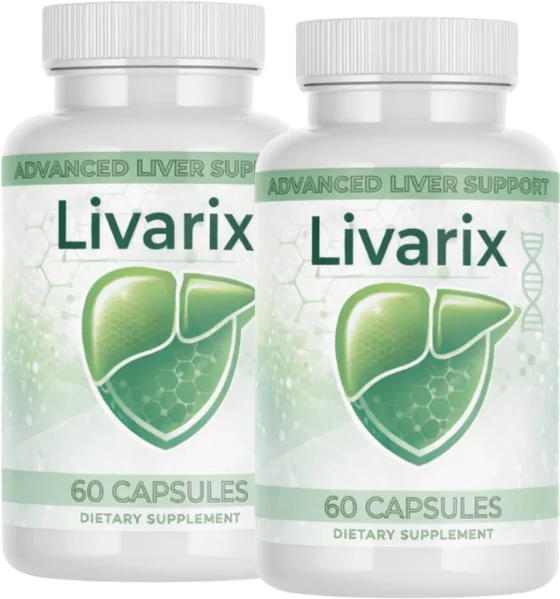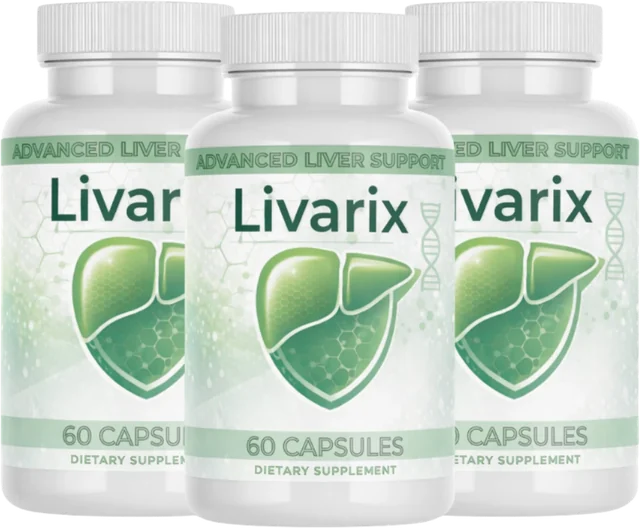
How much alfalfa is in Livarix Capsules?
The sales page lists 20 mg of alfalfa powder (leaf) in Livarix Capsules, the second-smallest of its eight ingredients. It does not say whether the 20 mg is per capsule or per two-capsule serving, so check the panel on your bottle.
Alfalfa is a widely grown food crop, best known as animal feed and, in its sprouted form, as a salad ingredient. Despite the small amount here, it carries some of the clearest cautions of any ingredient in this product, because of who should avoid it. Those cautions come from Memorial Sloan Kettering's About Herbs page, which this page cites throughout.
Who should avoid alfalfa?
People with lupus should avoid alfalfa tablets, and people with gout should avoid alfalfa, according to Memorial Sloan Kettering[1]. It also advises avoiding alfalfa during pregnancy and breastfeeding, and caution for people with hormone-sensitive conditions.
These are specific, and they apply whatever the amount, because the source does not set a safe amount for these groups. If any of them applies to you, talk to your doctor before taking Livarix Capsules.
| Who | What Memorial Sloan Kettering says | Why |
|---|---|---|
| People with lupus | Avoid alfalfa tablets | They may trigger a relapse |
| People with gout | Avoid | High purine content |
| Hormone-sensitive conditions | Caution | Alfalfa contains plant estrogens |
| Pregnancy and breastfeeding | Avoid | Hormonal effects |
| People on blood thinners | Tell your healthcare team first | Listed among people who should tell their team |
Why is lupus a concern?
Lupus is a concern because alfalfa tablets may trigger a relapse in people with the condition, according to Memorial Sloan Kettering[1]. The proposed cause is L-canavanine, an amino acid found in alfalfa seeds, though the source notes that its concentration in alfalfa is debated.
Lupus is an autoimmune disease, in which the immune system attacks the body's own tissues. If you have lupus, or another autoimmune condition, ask your rheumatologist before taking any product with alfalfa, however small the amount. Bring the bottle so they can see the full list.
Why is gout a concern?
Gout is a concern because alfalfa has a high purine content, and purines break down into uric acid, the substance that forms crystals in gouty joints. Memorial Sloan Kettering advises people with gout to avoid alfalfa and notes it may raise blood urate and urea levels[1].
Twenty milligrams is a small amount, and the source does not say whether amounts this small matter. But if you have gout or have been told your uric acid is high, ask your doctor before you start, rather than finding out from a flare.
What are plant estrogens?
Plant estrogens, or phytoestrogens, are compounds in some plants that can act a little like the hormone estrogen in the body. Memorial Sloan Kettering says alfalfa contains them, and that alfalfa extracts increased the growth of estrogen-dependent breast cancer cells in laboratory studies[1].
Laboratory results do not show what happens in people, and the source does not say that alfalfa causes cancer. It does advise caution for people with hormone-sensitive conditions. That includes some breast, uterine and ovarian conditions, and people taking hormone therapy. If that is you, ask your doctor first.
Is alfalfa safe in pregnancy?
No, not according to our source. Memorial Sloan Kettering advises avoiding alfalfa during pregnancy and breastfeeding because of its hormonal effects[1]. That is one of the clearest pregnancy notes for any ingredient in this product.
NCCIH also says turmeric supplements may be unsafe in pregnancy. If you are pregnant, trying to conceive or breastfeeding, ask your doctor or midwife before taking Livarix Capsules. The pregnancy and nursing page has every ingredient's note in one place.
What about blood thinners?
Memorial Sloan Kettering asks people who take blood thinners to tell their healthcare team before starting alfalfa[1]. It does not describe a specific interaction with warfarin, and it lists vitamin K only as a nutrient alfalfa is said to contain.
Vitamin K matters for people on warfarin, because changes in vitamin K intake can affect how the medicine works. Our source does not say how much vitamin K 20 mg of alfalfa leaf powder might contain, so we make no claim. NCCIH also lists blood thinners among the possible interactions for dandelion, another ingredient here. If you take any blood thinner, ask your doctor or anticoagulation clinic before you start. The medicines page has a question builder.
What side effects can alfalfa cause?
Alfalfa can cause more frequent bowel movements, loose stools, diarrhea, abdominal discomfort and gas, according to Memorial Sloan Kettering[1]. At 20 mg these are likely to be uncommon.
Several other ingredients in this product can upset the stomach too, so a digestive symptom may not be the alfalfa. Take the capsules with food, as the sales page directs, and stop and ask your pharmacist if symptoms continue. The side effects page lists each ingredient's notes.
What does the evidence say about alfalfa?
The evidence for alfalfa is limited. Memorial Sloan Kettering describes two small trials suggesting it may lower cholesterol, notes that larger controlled trials are needed, and says that although alfalfa lowers blood glucose in animals, no human studies show a significant effect[1].
Our source does not discuss alfalfa for the liver, and the sales page's claimed role for it is a broad wellness phrase that we do not repeat as a fact. In this formula, alfalfa is a small item whose notes are mostly about who should avoid it.
What about food safety?
Memorial Sloan Kettering notes that alfalfa sprouts and seeds have been linked to food-borne outbreaks of E. coli and Salmonella, and that listeriosis has been linked to alfalfa tablets[1]. Those are quality and handling problems, not effects of the plant itself.
This product lists alfalfa leaf powder, not sprouts or seeds, and we have no information about how it is processed or tested. LiverTox notes that supplement products in general have been found with contaminants and other quality problems.[2] Buy from a seller you can trace and check the bottle's seal and best-before date. The bottle check page has a checklist.
What should I ask my doctor about alfalfa?
Ask your doctor whether any of alfalfa's cautions apply to you, and whether a small daily amount changes that. Bring the bottle, or a photo of its panel, and your list of medicines.
These questions cover the source's main points:
- I have, or have had, lupus or another autoimmune condition. Should I avoid this product?
- I have gout, or my uric acid has been high. Is 20 mg of alfalfa a problem for me?
- I have a hormone-sensitive condition, or take hormone therapy. Does the alfalfa matter?
- I take warfarin or another blood thinner. Should I check with my anticoagulation clinic first?
- I am pregnant, trying to conceive or breastfeeding. Should I wait?
The sales page itself tells readers to show the bottle to their doctor before taking it, especially if they take medication. With alfalfa in the formula, that advice is not a formality.
Is alfalfa leaf the same as alfalfa sprouts?
No. Alfalfa leaf powder is made from the dried leaves of the grown plant, while sprouts are the young shoots eaten fresh. The seeds are different again, and Memorial Sloan Kettering notes that the seeds contain L-canavanine, the compound proposed as the cause of lupus relapse.
That does not make the leaf free of caution. The source's advice for people with lupus refers to alfalfa tablets, and its notes on purines, plant estrogens and pregnancy refer to alfalfa generally. If you are unsure which form a caution covers, assume it covers this product until your doctor says otherwise.
Does the FDA check alfalfa supplements?
No. The FDA does not approve dietary supplements for safety or effectiveness before they are sold, and firms are responsible for their own products and labels.[3] That applies to alfalfa and to the product as a whole.
So the cautions on this page are not printed for you by a regulator. You have to bring them to your doctor yourself, which is why we set them out so plainly.
Why include alfalfa at all?
The sales page does not explain why alfalfa is in the formula beyond a broad claimed role, and the label makes no claim about it. At 20 mg, about 3 percent of the listed weight, it is one of the smallest items.
From a buyer's point of view, it is a small ingredient that narrows who can safely take the product. That is worth weighing honestly: if you have lupus, gout or a hormone-sensitive condition, the alfalfa alone may be a reason to choose differently, whatever the other seven ingredients offer.
What should I check on the panel?
On the panel, check that the alfalfa line says leaf, check the amount and the serving size, and read the warnings for anything about lupus, gout, hormones or pregnancy. If the warnings do not mention these, use this page as a guide and ask your doctor.
If the panel differs from the sales page, follow the panel. The supplement facts page explains how to read each line, and the ingredients page has the full list.
Frequently asked questions
Can I take Livarix Capsules if I have lupus?
Ask your doctor first. Memorial Sloan Kettering says people with lupus should avoid alfalfa tablets.
Is the alfalfa in Livarix Capsules a problem for gout?
Memorial Sloan Kettering advises avoiding alfalfa with gout because of its purine content. Ask your doctor.
Does alfalfa in Livarix Capsules contain estrogen?
It contains plant estrogens, which act a little like estrogen. Ask first if you have a hormone-sensitive condition.
Is alfalfa in Livarix Capsules safe with warfarin?
Memorial Sloan Kettering asks people on blood thinners to tell their team first. Ask your anticoagulation clinic.
Why does 20 mg of alfalfa matter?
The source's cautions for lupus, gout and pregnancy do not set a safe amount, so even a small amount is worth raising.
Medical review: Dr. Alexis David, MD, Physician. Review covers label accuracy and safety wording. It is not an endorsement. How review works.
Sources
- Memorial Sloan Kettering: Alfalfa (About Herbs). www.mskcc.org
- LiverTox (NIDDK, NCBI Bookshelf): Herbal and Dietary Supplements. www.ncbi.nlm.nih.gov
- FDA: FDA 101: Dietary Supplements. www.fda.gov
Safety: Livarix Capsules is a dietary supplement, not a medicine. Follow the directions printed on your bottle (the sales page says two capsules a day with water, in the morning with food) and talk to your healthcare provider first, especially if you have a liver, gallbladder or bile duct condition, take any prescription medicine (including blood thinners, diabetes or blood pressure medicines and water pills), have lupus, gout or a hormone-sensitive condition, are allergic to ragweed or daisy-family plants, or are pregnant or nursing. Stop and call a doctor if you notice yellow skin or eyes, dark urine, unusual tiredness, nausea or poor appetite. Not for anyone under 18.
This site is an independent information site, not the manufacturer of Livarix Capsules. We may earn from order links on this site; order links are marked sponsored. *These statements have not been evaluated by the Food and Drug Administration. This product is not intended to diagnose, treat, cure or prevent any disease. Page updated November 25, 2026.