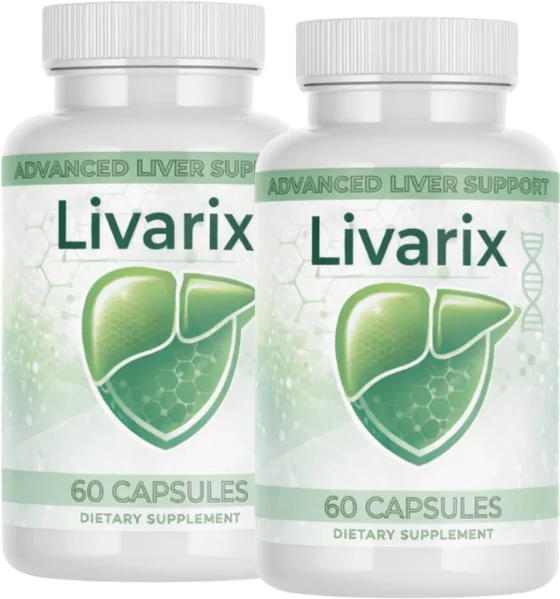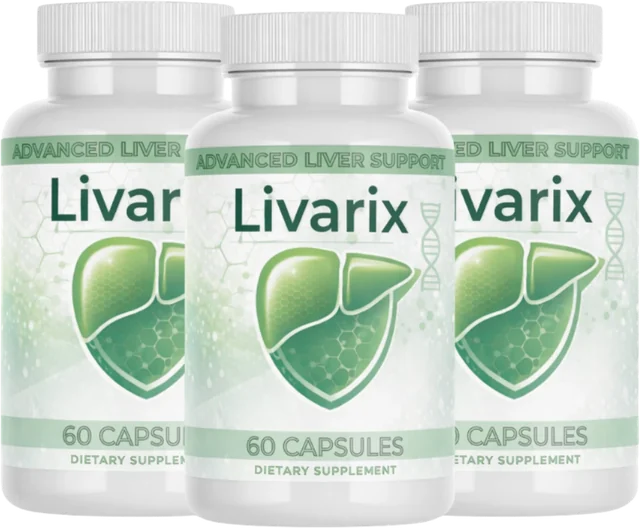
How much artichoke is in Livarix Capsules?
The sales page lists 50 mg of artichoke extract in Livarix Capsules, standardized to 5% cynarin. If that standardization is accurate, 50 mg of extract holds about 2.5 mg of cynarin. The sales page does not say whether the 50 mg is per capsule or per two-capsule serving, so check the panel on your bottle.
Artichoke is the globe artichoke, a thistle-like plant grown for its edible flower buds. Supplements usually use extracts of the leaf, and cynarin is one of the compounds found in it. Artichoke is the only ingredient in this product described as a standardized extract; the other seven are powders or, in the case of L-cysteine, an amino acid salt.
What use do regulators accept for artichoke?
The European Medicines Agency accepts artichoke leaf preparations only for digestive complaints, such as indigestion with a feeling of fullness, bloating and wind, and only on the basis of long-standing traditional use[1]. That is a narrow conclusion, and it is not a liver claim.
The agency says its conclusion rests on traditional use, not on clinical trials. Some small, short, poorly designed studies in people with digestive problems suggested a possible benefit for indigestion, but they did not support firm conclusions. Its summary also does not cover combination products like this one, where artichoke is mixed with seven other ingredients.
| Question | What the European Medicines Agency says |
|---|---|
| What is it accepted for? | Digestive complaints such as indigestion, fullness, bloating and wind |
| On what basis? | Long-standing traditional use, not clinical trials |
| For whom? | Adults and adolescents over 12 |
| For how long without a doctor? | See a doctor if symptoms last more than about two weeks |
| Does it cover combinations? | No |
Who should not take artichoke?
People with certain liver and bile duct disorders, and people allergic to plants in the Asteraceae (daisy) family, should not use artichoke leaf preparations, according to the European Medicines Agency[1]. Those are its two main exclusions.
The bile duct point matters because artichoke is traditionally used to increase bile flow, and extra bile flow is not what you want if the duct is narrowed or blocked. The agency's summary speaks of liver and bile duct disorders in general; it does not name gallstones specifically, so if you have or have had gallstones, ask your doctor before you start.
- Bile duct or liver disorders: do not use without your doctor's advice.
- Gallstones, now or in the past: ask your doctor first.
- Daisy-family allergy (ragweed, chrysanthemum, marigold, daisy): do not use without advice.
- Under 12: not covered; this product is for adults 18 and over anyway.
Why does that matter for a liver product?
It matters because the people most drawn to a product labelled "Advanced Liver Support" may include people with liver or gallbladder problems, the very group the European Medicines Agency excludes for artichoke. That is a real tension, and you deserve to see it stated plainly.
If you have any liver condition, a gallbladder problem or have had your gallbladder removed, talk to your doctor before taking this product. Bring the bottle and point out both the artichoke and the turmeric, which carries a liver caution of its own. The safety page and the turmeric page explain the other notes.
What side effects can artichoke cause?
Artichoke leaf can cause mild diarrhea with stomach cramps, nausea and heartburn, and allergic reactions are possible, according to the European Medicines Agency[1]. The agency says the frequency of these effects is not known.
Turmeric, ginger and milk thistle in this product can also upset the stomach, so if you notice digestive symptoms you will not easily know which ingredient is responsible. The sales page's direction to take the capsules with food is a sensible routine. If symptoms do not settle, stop and ask your pharmacist. The side effects page lists each ingredient's notes.
What about allergies to artichoke?
Allergy to artichoke usually goes with allergy to other daisy-family plants. The European Medicines Agency excludes people allergic to plants in that family, and NCCIH gives a similar warning for milk thistle, which is also in this product, naming ragweed, chrysanthemum, marigold and daisy.[2]
If you have hay fever triggered by ragweed, or have reacted to herbs such as chamomile or echinacea, the combination of artichoke and milk thistle is worth raising with your doctor. Stop and seek help for any sign of an allergic reaction: a rash, swelling of the lips or face, or trouble breathing.
What is cynarin?
Cynarin is a natural compound found in artichoke leaves, and it is often used to standardize artichoke extracts. A "5% cynarin" extract means that, by weight, about one twentieth of the extract is cynarin.
Standardization tells you the extract has been made to a target level of one compound. It does not tell you what that compound does in people, and the sources we cite do not set a cynarin amount for any use. At 50 mg of extract, the stated 5% would be about 2.5 mg of cynarin. That is a calculation from the sales page, not a figure we could check on the panel.
How long should I take artichoke?
The European Medicines Agency says to see a doctor if symptoms continue for more than about two weeks while taking an artichoke leaf product[1]. That guidance is for using artichoke for indigestion, not for a daily product taken for months.
This product's sales page directs two capsules a day, every day, and its packs last 60, 90 or 180 days. There is no published guidance in our sources for artichoke taken that way. If you take the capsules for longer than a few weeks, it is sensible to review it with your doctor, and to stop at once if you notice new stomach pain, especially in the upper right side of the belly.
Is artichoke in food the same as an extract?
No. Eating artichoke as a vegetable is not the same as taking a leaf extract. The part you eat is the flower bud, while supplements usually use the leaves, and an extract concentrates some compounds in a small amount of powder.
That is why the European Medicines Agency's summary is about leaf preparations and why its cautions apply to them. If you enjoy artichokes at dinner and have no allergy or gallbladder problem, that tells you little about how you would react to a daily extract, and it works the other way too: a caution about extracts is not a reason to avoid the vegetable.
Does artichoke interact with medicines?
The European Medicines Agency summary we cite does not list specific drug interactions. That does not mean there are none; it means our source does not name any.
The sales page itself tells readers to show the bottle to their doctor before taking it, especially if they take medication. With eight ingredients in one capsule, the combined picture matters more than any single item. Bring the bottle, or a photo of the panel, and a list of everything you take. The medicines page has a question builder for each medicine group.
Is artichoke safe in pregnancy?
The European Medicines Agency summary we cite does not address pregnancy or breastfeeding, so we have no source that says artichoke leaf is safe then. Ask your doctor or midwife before taking any product that contains it if you are pregnant, trying to conceive or nursing.
Other ingredients in this product carry clearer pregnancy cautions: NCCIH says turmeric supplements may be unsafe in pregnancy, and Memorial Sloan Kettering advises avoiding alfalfa in pregnancy and breastfeeding. The pregnancy and nursing page explains each.
What does the sales page say about artichoke?
The sales page gives artichoke a protective role in the liver, in its own words. We do not repeat that as a fact, because the source we cite accepts artichoke only for indigestion, on traditional use. The front label makes no specific claim about artichoke.
That gap between marketing and regulation is common with herbal products. The FTC says health claims need competent and reliable scientific evidence,[3] and a regulator's narrow acceptance for indigestion is not that evidence for the liver. The how it works page compares each claimed role with its source.
Does the FDA check artichoke products?
No. In the US, the FDA does not approve dietary supplements for safety or effectiveness before they are sold, and firms are responsible for their own products and labels.[4] The European Medicines Agency's summary applies to licensed herbal medicines in the EU, not to US supplements.
So the agency's conclusions are useful as a careful, independent reading of the evidence, but they are not a check on this product. Only the panel on your bottle tells you what is actually in it.
What should I check on the panel?
On the panel, check that the artichoke line says leaf extract, check the amount and any standardization figure, and check the serving size. If the panel does not mention cynarin, the 5% figure is the sales page's alone.
Also read the warnings for anything about the gallbladder, bile ducts or allergies. If the panel differs from the sales page, follow the panel and tell your doctor its figures. The supplement facts page explains each line, and the ingredients page has the full list.
Frequently asked questions
How much cynarin is in Livarix Capsules?
About 2.5 mg, if the 50 mg of artichoke extract is standardized to 5% cynarin as the sales page says.
Can I take Livarix Capsules with gallstones?
Ask your doctor first. The European Medicines Agency excludes certain liver and bile duct disorders for artichoke leaf.
Is artichoke in Livarix Capsules a liver remedy?
No. The European Medicines Agency accepts artichoke leaf only for indigestion, on traditional use.
Does artichoke in Livarix Capsules cause stomach upset?
It can. The European Medicines Agency lists mild diarrhea with cramps, nausea and heartburn.
Is artichoke a problem with a ragweed allergy?
It can be. Artichoke is in the daisy family, and the European Medicines Agency excludes people allergic to that family.
Medical review: Dr. Alexis David, MD, Physician. Review covers label accuracy and safety wording. It is not an endorsement. How review works.
Sources
- European Medicines Agency: Artichoke leaf (Cynarae folium) herbal summary. www.ema.europa.eu
- NCCIH: Milk Thistle. www.nccih.nih.gov
- FTC: Health Products Compliance Guidance. www.ftc.gov
- FDA: FDA 101: Dietary Supplements. www.fda.gov
Safety: Livarix Capsules is a dietary supplement, not a medicine. Follow the directions printed on your bottle (the sales page says two capsules a day with water, in the morning with food) and talk to your healthcare provider first, especially if you have a liver, gallbladder or bile duct condition, take any prescription medicine (including blood thinners, diabetes or blood pressure medicines and water pills), have lupus, gout or a hormone-sensitive condition, are allergic to ragweed or daisy-family plants, or are pregnant or nursing. Stop and call a doctor if you notice yellow skin or eyes, dark urine, unusual tiredness, nausea or poor appetite. Not for anyone under 18.
This site is an independent information site, not the manufacturer of Livarix Capsules. We may earn from order links on this site; order links are marked sponsored. *These statements have not been evaluated by the Food and Drug Administration. This product is not intended to diagnose, treat, cure or prevent any disease. Page updated November 25, 2026.