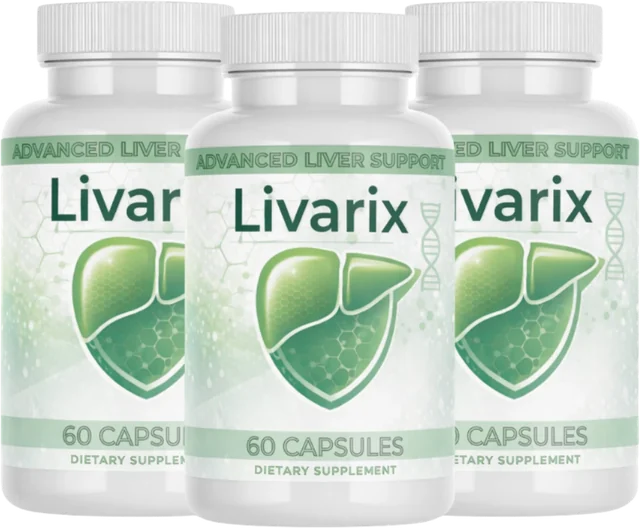
How much beet root is in Livarix Capsules?
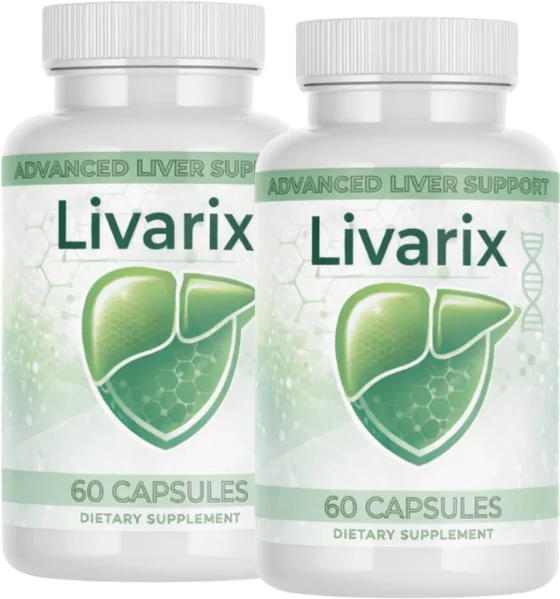
The sales page lists 200 mg of beet root powder in Livarix Capsules, the second-largest of its eight ingredients after turmeric root. It does not say whether the 200 mg is per capsule or per two-capsule serving, so check the panel on your bottle.
Beet root is the familiar red vegetable, dried and ground to a powder. It gives a deep red-purple colour, which is the source of the one practical note we can give with confidence: it can turn urine pink or red in some people. The sections below explain that, and then set out plainly what our sources do not cover.
Can beet root turn urine red?
Yes. Passing pink or red urine after eating beets, or foods coloured with beet, is called beeturia, and it happens in about 10 to 14 percent of people, according to a clinical reference on the condition[1]. The colour comes from the plant's red pigments, called betacyanins.
A study of beetroot pigments describes the same range and notes that beeturia is more common in people with iron deficiency and with malabsorption, a condition in which the gut does not absorb nutrients well.[2] The clinical reference adds that the rate is much higher in people with pernicious anemia, a form of vitamin B12 deficiency.
| Point | What the sources say |
|---|---|
| What is beeturia? | Pink or red urine after beets or beet colouring |
| How common is it? | About 10 to 14 percent of people |
| Who gets it more often? | People with iron deficiency or malabsorption; much more with pernicious anemia |
| What causes the colour? | The beet's red pigments (betacyanins) |
Is red urine from beet root harmful?
Beeturia itself is generally described as a harmless colour change, not a sign of injury. But red or pink urine can also be caused by blood, and some causes of dark urine matter a great deal, so do not assume.
Here is a simple way to think about it:
- Pink or red urine soon after starting the capsules, and you feel well: likely beeturia; mention it to your doctor at your next visit, especially since it can go with low iron.
- Dark brown urine, like tea or cola: not typical of beeturia; this can be a sign of liver trouble. Stop the capsules and contact a doctor promptly.
- Red urine with pain, fever, or blood clots: see a doctor promptly.
- Yellow skin or eyes, pale stools or upper right belly pain with any urine change: stop all supplements and seek care the same day.
The last two lines matter because this product also contains turmeric, which has been linked to liver injury in some people. The liver warning signs page explains the difference.
Why might beeturia point to low iron?
Beeturia is more common in people with iron deficiency, according to the pigment study we cite[2]. That does not mean everyone with beeturia is low in iron; many people with normal iron levels have it too.
But if you notice it for the first time, it is a reasonable prompt to ask your doctor whether an iron check makes sense, particularly if you also feel unusually tired, look pale or have heavy periods. Do not start an iron supplement on your own; too much iron can cause its own problems, and your doctor can tell you whether you need it.
What does the evidence say about beet root for the liver?
Our sources do not cover beet root for the liver, so we make no claim either way. The sales page assigns beet root a "detox" role, in its own words, which we do not repeat as a fact.
Beet root is also widely marketed for its natural nitrates. Our sources for this site do not cover that topic or the amount of nitrate in 200 mg of powder, so we make no claim about it, including about blood pressure. If you take a blood pressure medicine, mention the beet root to your pharmacist along with the other ingredients; they can tell you whether it matters at this amount.
Is beet root safe?
Beet root is an everyday food, and 200 mg of powder is a small amount compared with a serving of the vegetable. We have no source that sets a safety limit for beet root powder in supplements.
The NIH Office of Dietary Supplements points out that supplements can have side effects, and that risks rise with high doses, many products taken together, or using supplements in place of medicines.[3] Beet root is not the ingredient in this product that carries the main caution; turmeric is. The safety page explains the full picture.
Can beet root affect my stools?
Our sources discuss urine, not stools, so we cannot cite a figure. If your stools look red or very dark after starting the capsules, do not assume it is the beet. Red or black stools can be a sign of bleeding, and pale or clay-coloured stools can be a sign of a liver or bile duct problem.
Contact a doctor promptly for black, tarry stools, red stools you cannot explain, or pale stools. Take the bottle with you, so the doctor knows exactly what you have been taking.
Is beet root safe in pregnancy?
Beet is a common food in pregnancy, but we have no source on beet root powder in supplements during pregnancy or breastfeeding. Other ingredients in this product carry clearer pregnancy cautions, including turmeric and alfalfa.
Ask your doctor or midwife before taking Livarix Capsules if you are pregnant, trying to conceive or nursing. The pregnancy and nursing page explains each ingredient's note.
Can beet root stain or mark anything?
Beet pigments are strong, and beet powder can stain fabric, wooden surfaces and fingers. If a capsule breaks open, wipe up the powder quickly with cold water.
Turmeric, the largest ingredient here, stains even more readily than beet, so a broken capsule can leave a yellow-orange mark. Neither stain is a safety issue, but it is worth knowing if you store the bottle in a kitchen or bathroom, or carry capsules in a bag.
Why is beet root in this formula?
The sales page does not explain the choice beyond its claimed role, and the label makes no claim about beet at all. Beet root powder is a common ingredient in wellness products, often for its colour and its reputation as a "superfood".
Our sources do not support a specific benefit for the liver, and a reputation is not evidence. The FTC says health claims in advertising need competent and reliable scientific evidence.[4] We therefore describe beet root here as what it is: a vegetable powder that makes up about a quarter of the listed formula, with one well-documented, mostly harmless effect on urine colour.
Does the colour of the capsules tell me anything?
The capsules may look reddish or brownish because of the beet and turmeric powders, which are strongly coloured. That is expected for a formula like this one, and it does not tell you anything about quality.
What matters more is consistency. Capsules in a fresh bottle should look much the same as each other, with no damp clumps, broken shells or odd smells. If a bottle looks different from an earlier one, compare the lot codes and ask the seller. The bottle check page has a checklist.
Does the FDA check beet root supplements?
No. The FDA does not approve dietary supplements for safety or effectiveness before they are sold, and firms are responsible for their own products and labels.[5] That applies to beet root powder and to the product as a whole.
LiverTox, the NIH database on liver injury from drugs and supplements, adds that supplement products have been found with contaminants, mislabeling and swapped botanicals.[6] A common vegetable powder is not immune to that. Buy from a seller you can trace and read the panel on your bottle.
How much of the formula is beet root?
Beet root makes up 200 of the 780 mg on the sales page's list, about 26 percent. Together with turmeric, it accounts for nearly two thirds of the listed weight.
| Ingredient | Amount (sales page) | Share of 780 mg |
|---|---|---|
| Turmeric root | 300 mg | about 38% |
| Beet root | 200 mg | about 26% |
| Dandelion leaf | 100 mg | about 13% |
| The other five | 180 mg | about 23% |
The ingredients page lists all eight with notes from their sources.
What should I check on the panel?
On the panel, check that the beet line says root powder, check the amount and check the serving size, which tells you whether the 200 mg is per capsule or per two. Also look for any colour additives in the other ingredients line.
If the panel differs from the sales page, follow the panel. The supplement facts page explains how to read each line.
Frequently asked questions
Why is my urine pink after taking Livarix Capsules?
The beet root may cause it. About 10 to 14 percent of people pass pink or red urine after beets, called beeturia.
Is beeturia from Livarix Capsules dangerous?
Beeturia is usually a harmless colour change. Dark brown urine, pain, fever or yellow skin are different and need a doctor.
Does the beet root in Livarix Capsules lower blood pressure?
Our sources do not cover that, so we make no claim. Ask your pharmacist if you take a blood pressure medicine.
Can beeturia mean I am low in iron?
It is more common with iron deficiency, but many people with normal iron have it too. Ask your doctor if you are unsure.
Is the beet root in Livarix Capsules from fresh beets?
The sales page lists beet root powder, which is dried, ground beet. It does not say where it comes from.
Medical review: Dr. Alexis David, MD, Physician. Review covers label accuracy and safety wording. It is not an endorsement. How review works.
Sources
- StatPearls (NCBI Bookshelf): Beeturia. www.ncbi.nlm.nih.gov
- Watts et al., Beeturia and the biological fate of beetroot pigments (Pharmacogenetics, PubMed). pubmed.ncbi.nlm.nih.gov
- NIH Office of Dietary Supplements: Dietary Supplements: What You Need to Know. ods.od.nih.gov
- FTC: Health Products Compliance Guidance. www.ftc.gov
- FDA: FDA 101: Dietary Supplements. www.fda.gov
- LiverTox (NIDDK, NCBI Bookshelf): Herbal and Dietary Supplements. www.ncbi.nlm.nih.gov
Safety: Livarix Capsules is a dietary supplement, not a medicine. Follow the directions printed on your bottle (the sales page says two capsules a day with water, in the morning with food) and talk to your healthcare provider first, especially if you have a liver, gallbladder or bile duct condition, take any prescription medicine (including blood thinners, diabetes or blood pressure medicines and water pills), have lupus, gout or a hormone-sensitive condition, are allergic to ragweed or daisy-family plants, or are pregnant or nursing. Stop and call a doctor if you notice yellow skin or eyes, dark urine, unusual tiredness, nausea or poor appetite. Not for anyone under 18.
This site is an independent information site, not the manufacturer of Livarix Capsules. We may earn from order links on this site; order links are marked sponsored. *These statements have not been evaluated by the Food and Drug Administration. This product is not intended to diagnose, treat, cure or prevent any disease. Page updated November 25, 2026.