The sales page for Livarix Capsules names no age group beyond adults 18 and over, so there is no label advice specific to women over 50. What matters at that age is mostly practical: the medicines you take, any hormone therapy, your liver history and a conversation with your doctor.
This post does not say the capsules are for any group. It lists the checks that the public sources suggest for anyone, and which of them tend to matter more when you take several medicines or use hormone therapy.
Who is the product aimed at?
The seller's pack says adults 18 and over, and the sales page describes its intended buyers as women and men. It lists no age range, no condition and no advice for any stage of life.
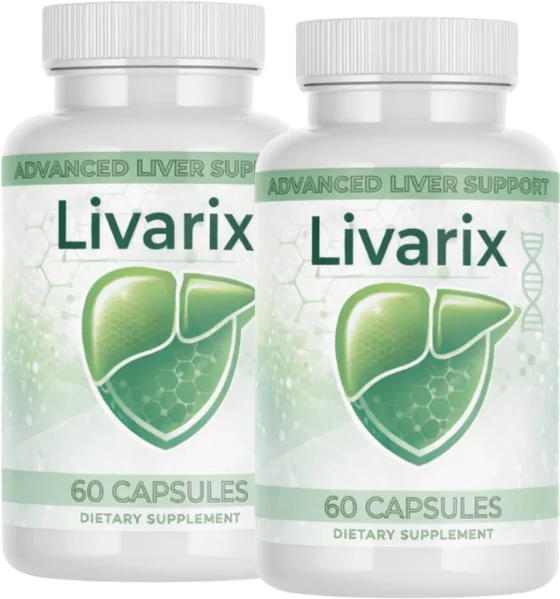
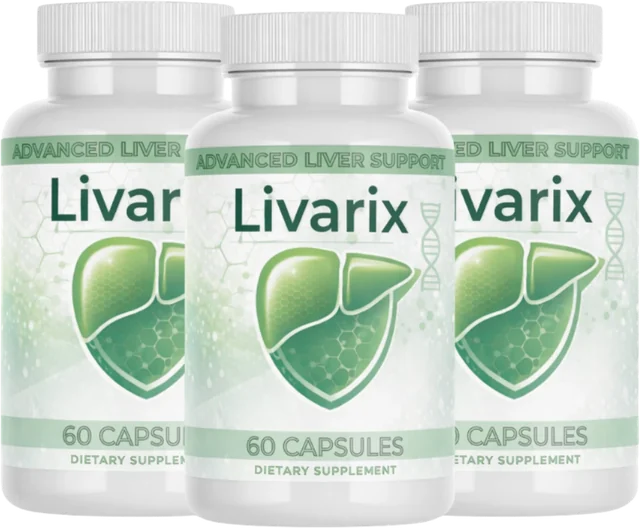
We do not repeat the everyday complaints the sales page mentions as uses, because we cannot verify them and the label makes no such claim. The front label says "Livarix", "Advanced Liver Support", "60 Capsules" and "Dietary Supplement". Our who it's for page sets out who should ask a doctor first, and it is not a list of people who should buy.
Why do medicines matter more as the list grows?
They matter because every extra medicine adds a chance of an interaction, and the sources say so plainly. The NIH says supplements can have side effects, that risks rise when you take many products and that you should tell your providers about everything you take.[1]
Several of the eight ingredients carry notes for common medicine groups: dandelion for blood thinners, diabetes medicines and water pills, and alfalfa for blood thinners and hormone-sensitive conditions. Our medications page lists them all. If you take more than a few medicines, keep one written list with the doses, and show it to your pharmacist along with the bottle.
What about hormone therapy?
If you use hormone therapy, or have a condition that is sensitive to hormones, ask your doctor before taking this product. Memorial Sloan Kettering says alfalfa contains plant estrogens and asks for caution with hormone-sensitive conditions, based on laboratory studies.[2]
The alfalfa in this formula is listed at 20 mg on the sales page, and our source does not say whether an amount that small matters. That is a question for your doctor, who knows why you use hormones and what your risks are. Memorial Sloan Kettering also advises people with lupus or gout to avoid alfalfa, and to tell their team if they have either.
What should I check about my liver?
Check whether you have any liver or bile duct condition, take medicines with liver warnings or have had raised liver tests. Turmeric is the largest ingredient, at 300 mg, and LiverTox says it appears to have become the most common cause of clinically apparent herbal-related liver injury in the United States.[3]
That is not a statement about age; liver injury from herbal products is described in many groups. It is a reason to ask your doctor whether a blood test before and after starting makes sense for you, and to know the warning signs before you begin. Our liver warning signs page lists them in plain words, and the turmeric page lists every note in the source.
What questions should I take to my doctor?
Bring the bottle, your medicine list and a short set of questions, and write the answers down.
- Is a supplement with turmeric, dandelion, artichoke, ginger, milk thistle, alfalfa, beet root and L-cysteine suitable for me?
- Do my medicines, including any hormone therapy, change the answer?
- Do you want a liver blood test before I start, and when afterwards?
- Which symptoms should make me stop and call?
- Should I tell you if I stop, and how soon?
The sales page itself advises showing the bottle to your doctor before taking it, especially if you take medication. LiverTox reports that many people attending liver clinics use supplements and most do not tell their primary care provider, so tell yours.[4]
Does "natural" settle the question?
No. NCCIH says "natural" does not always mean safe, that some supplements interact with medicines and that quality and contents can differ from the label.[5] The seller's badges, such as "Natural Formula" and "Plant Based Blend", are the seller's claims, and we show them labeled as supplied by the seller and not verified.
Those badges say nothing about your medicines, your hormones or your liver. If a page tells you a supplement is right for your age group without asking about any of that, read it with care. Our label claims page explains what each badge does and does not tell you.
If you feel unwell after starting, stop the capsules and contact a healthcare professional, and seek urgent care for yellow skin or eyes or for anything that feels serious. Do not wait to see whether it passes.
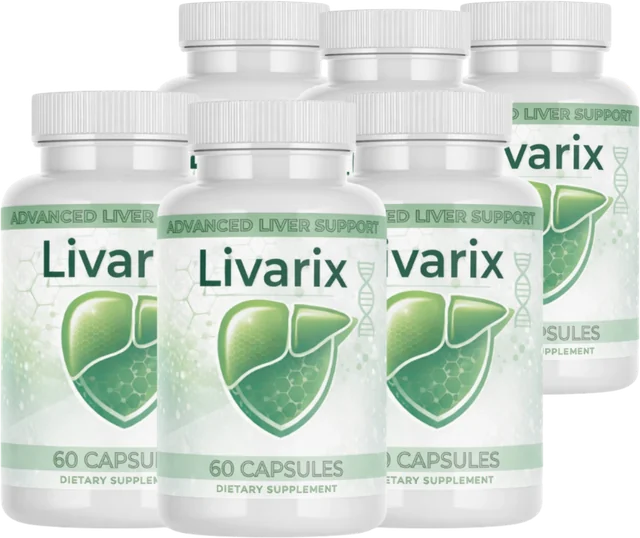
Report a problem with a supplement to the FDA through its Safety Reporting Portal or MedWatch, and keep the bottle. If you want a refund, our refund how-to post lists the seller's steps. If you decide to order after speaking to your doctor, the 2-bottle pack is the smallest, and we may earn from that link at no extra cost to you.
Frequently asked questions
Is there an age limit for Livarix Capsules?
The seller's pack says adults 18 and over, with no upper limit stated. Ask your doctor about your own situation.
Should I stop hormone therapy before taking them?
No. Never stop a prescribed medicine on your own. Ask your doctor whether the alfalfa caution matters for you.
Do the capsules have anything to do with menopause?
The sales page and label make no menopause claim, and we make none. Our sources do not cover it.
Are there extra warnings for people on many medicines?
The sources advise telling every provider about everything you take. A written list helps.
Medical review: Dr. Alexis David, MD, Physician. Review covers label accuracy and safety wording. It is not an endorsement. How review works.
Sources
- NIH Office of Dietary Supplements: Dietary Supplements: What You Need to Know. ods.od.nih.gov
- Memorial Sloan Kettering: Alfalfa (About Herbs). www.mskcc.org
- LiverTox (NIDDK, NCBI Bookshelf): Turmeric. www.ncbi.nlm.nih.gov
- LiverTox (NIDDK, NCBI Bookshelf): Herbal and Dietary Supplements. www.ncbi.nlm.nih.gov
- NCCIH: Using Dietary Supplements Wisely. www.nccih.nih.gov
Safety: Livarix Capsules is a dietary supplement, not a medicine. Follow the directions printed on your bottle (the sales page says two capsules a day with water, in the morning with food) and talk to your healthcare provider first, especially if you have a liver, gallbladder or bile duct condition, take any prescription medicine (including blood thinners, diabetes or blood pressure medicines and water pills), have lupus, gout or a hormone-sensitive condition, are allergic to ragweed or daisy-family plants, or are pregnant or nursing. Stop and call a doctor if you notice yellow skin or eyes, dark urine, unusual tiredness, nausea or poor appetite. Not for anyone under 18.
This site is an independent information site, not the manufacturer of Livarix Capsules. We may earn from order links on this site; order links are marked sponsored. *These statements have not been evaluated by the Food and Drug Administration. This product is not intended to diagnose, treat, cure or prevent any disease. Page updated November 25, 2026.