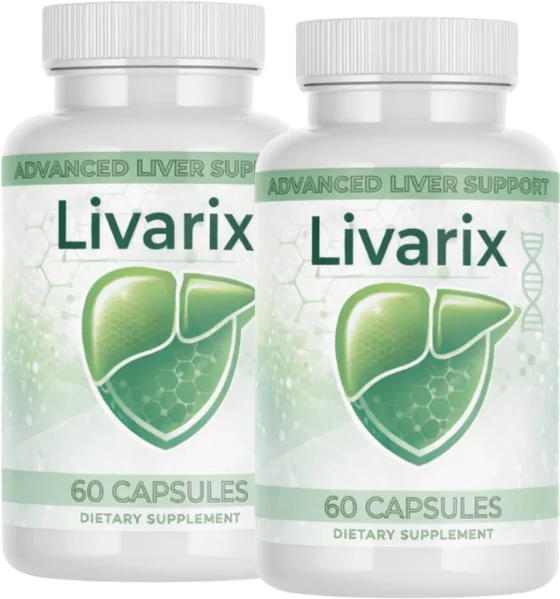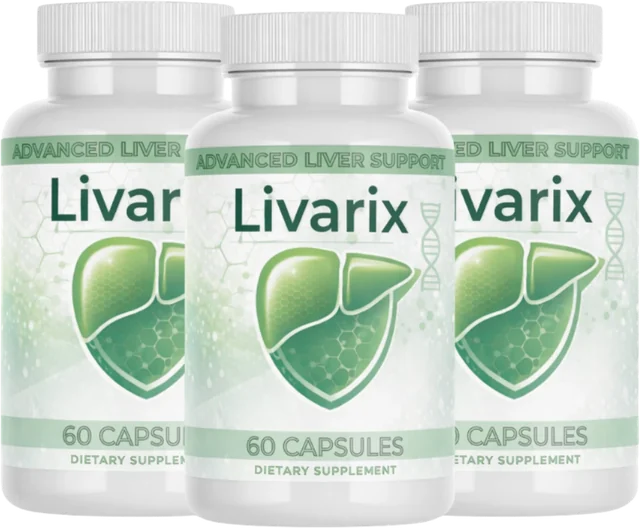
If you have gallstones or any bile duct problem, ask your doctor before taking Livarix Capsules, because the artichoke in the formula carries a caution for certain liver and bile duct disorders. The European Medicines Agency summary we cite does not name gallstones, so we cannot say whether it applies to you.
That gap is the reason for this post. A caution that stops short of naming your condition still deserves a conversation, and this page sets out the wording, the amounts and the questions to bring.
What does the artichoke source actually say?
The European Medicines Agency summary for artichoke leaf says it is accepted only for digestive complaints, such as indigestion with fullness, bloating and gas, on the basis of long traditional use rather than trials. It also says the herb is not for people with certain liver and bile duct disorders or with an allergy to plants in the daisy family.[1]
The summary adds that studies are small and short, that it is for adults and children over 12 and that you should see a doctor if symptoms last more than about two weeks. It lists mild diarrhea with cramps, nausea, heartburn and allergic reactions as side effects. It does not cover combination products, which is what Livarix is, so it is a guide to the ingredient and not a test of the capsule.
Are gallstones named in the caution?
Not in the wording we can cite. The source speaks of certain liver and bile duct disorders, and gallstones are a condition of the gallbladder and bile ducts, so it is reasonable to ask whether they fall under that heading.
We are not doctors, and we will not guess. The honest reading is that the caution is close enough to your situation that you should ask, and that your doctor, who knows whether your stones are present, past or removed, can answer in a minute. Our artichoke page lists every note in the source, and the safety page gathers the cautions for all eight ingredients in one place.
How much artichoke is in the capsules?
The sales page lists artichoke extract at 50 mg, standardized to 5 percent cynarin, which works out to 2.5 mg of cynarin by simple arithmetic if the standardization is as stated. No Supplement Facts panel was supplied, so we cannot confirm either figure.
It is also unclear whether the 50 mg applies to one capsule or to a two-capsule serving. Our reading is per serving, and we say so wherever it matters. The EMA summary relates to artichoke leaf preparations, and we do not know how this extract compares. A small amount does not remove a caution, because the sources do not say that small amounts are exempt, so ask regardless.
Do the other ingredients matter for bile and gallstones?
The sources we cite do not link the other seven ingredients to gallstones. We found nothing on dandelion, turmeric, ginger, milk thistle, alfalfa, beet root or L-cysteine in that connection, and we make no claim either way.
What the sources do say is that a formula with many ingredients is hard to read. LiverTox notes that multi-ingredient products make it difficult to tell which ingredient is responsible for a problem.[2] If you have a bile condition, that is a reason to ask your doctor about the whole list, not just the artichoke. Turmeric, at 300 mg, is the largest listed ingredient, and it carries the main liver caution for the product.
What should I ask my doctor?
Bring the bottle or the ingredient list and ask a few direct questions. Write the answers down, because the details matter.
- I have had gallstones, or I have them now. Is a product containing artichoke extract suitable for me?
- Does my history of bile duct or liver problems change the answer?
- Should I have any test before or after I start?
- Which symptoms should make me stop and call?
- Do my other medicines change the advice?
Our medications page lists the medicine groups the sources flag. If you have a daisy-family allergy, say so too, since the EMA summary names it.
What if I get symptoms after starting?
Stop the capsules and contact a healthcare professional, and seek urgent care for severe pain, fever or yellow skin or eyes. Do not wait to see whether it passes, and do not try to work out the cause yourself.
NCCIH says to stop a turmeric product and contact a provider if you have fatigue, nausea, poor appetite, dark urine or yellow skin or eyes.[3] Our liver warning signs page lists them. You can also report a problem with a supplement to the FDA through its Safety Reporting Portal or MedWatch. If you want a refund, the seller's steps are on our refund policy page, and your health comes first.
The sales page advises showing the bottle to your doctor before taking it, especially if you take medication, and it lists no other warnings that we could find. It does not mention gallstones, bile ducts or artichoke cautions.
That is why a source like the EMA summary matters. NCCIH makes the general point that "natural" does not always mean safe and that quality and contents can differ from the label.[4] A short page of warnings is not the same as a short list of risks, and the only way to know is to ask a professional. If you decide to order afterwards, the 3-bottle pack is the middle option, and we may earn from that link at no extra cost to you.
Frequently asked questions
Is artichoke safe if I have had my gallbladder removed?
We have no source on that. Ask your doctor, who knows your history and can say whether the caution still applies.
Does Livarix Capsules claim to help digestion?
We make no such claim. The EMA summary accepts artichoke leaf for digestive complaints on tradition alone, and it does not cover this product.
What is cynarin?
It is a compound the sales page says the artichoke extract is standardized to, at 5 percent. We cannot confirm that standardization.
Can I take it if I am allergic to daisies?
The EMA summary says artichoke is not for people allergic to daisy-family plants. Ask your doctor first.
Medical review: Dr. Alexis David, MD, Physician. Review covers label accuracy and safety wording. It is not an endorsement. How review works.
Sources
- European Medicines Agency: Artichoke leaf (Cynarae folium) herbal summary. www.ema.europa.eu
- LiverTox (NIDDK, NCBI Bookshelf): Herbal and Dietary Supplements. www.ncbi.nlm.nih.gov
- NCCIH: Turmeric. www.nccih.nih.gov
- NCCIH: Using Dietary Supplements Wisely. www.nccih.nih.gov
Safety: Livarix Capsules is a dietary supplement, not a medicine. Follow the directions printed on your bottle (the sales page says two capsules a day with water, in the morning with food) and talk to your healthcare provider first, especially if you have a liver, gallbladder or bile duct condition, take any prescription medicine (including blood thinners, diabetes or blood pressure medicines and water pills), have lupus, gout or a hormone-sensitive condition, are allergic to ragweed or daisy-family plants, or are pregnant or nursing. Stop and call a doctor if you notice yellow skin or eyes, dark urine, unusual tiredness, nausea or poor appetite. Not for anyone under 18.
This site is an independent information site, not the manufacturer of Livarix Capsules. We may earn from order links on this site; order links are marked sponsored. *These statements have not been evaluated by the Food and Drug Administration. This product is not intended to diagnose, treat, cure or prevent any disease. Page updated November 25, 2026.