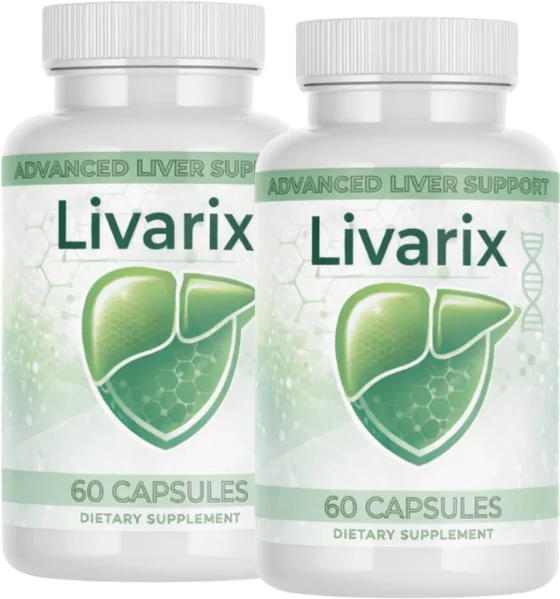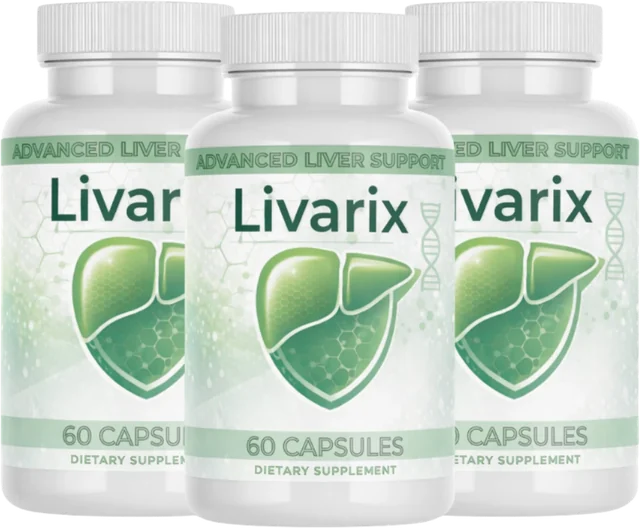
No source we cite names metformin for any Livarix Capsules ingredient, but dandelion and milk thistle carry notes about diabetes medicines, so ask your pharmacist or doctor before you start. Do not change your own dose, and do not add the capsules on your own judgement.
Metformin is a common diabetes medicine, and anyone who takes it, or any other diabetes medicine, has good reason to be careful with new supplements. This post sets out the notes in public sources, what they do not cover and what to ask.
Which ingredients have diabetes notes?
Three of the eight listed ingredients do, in different ways. NCCIH lists antidiabetes drugs among dandelion's possible interactions, calling them theoretical,[1] and says a small number of studies suggest milk thistle extracts may affect blood sugar in people with type 2 diabetes.[2]
Memorial Sloan Kettering says alfalfa has been reported to have an effect on blood glucose in animals, though no human studies show a significant effect.[3] Those notes come from different kinds of evidence, and none is a proven interaction with metformin or with this product. They are reasons to ask, not reasons to panic, and they are also reasons not to assume that a plant product is automatically gentle on a medicine that is dosed with care.
What do the amounts tell us?
Very little, because no Supplement Facts panel was supplied. The sales page lists dandelion powder (leaf) at 100 mg, milk thistle powder at 50 mg and alfalfa powder (leaf) at 20 mg, and does not say whether those are per capsule or per two-capsule serving.
The milk thistle is listed as a powder, not as a stated silymarin extract, and the small studies NCCIH mentions used extracts. So we cannot say that the amounts here resemble anything tested. That uncertainty is the point: a pharmacist can read the bottle and your prescription together, and a web page cannot.
What should I ask my pharmacist or doctor?
Ask four or five direct questions, and bring the bottle and your medicine list. Write the answers down so you can follow them.
- Is it acceptable for me to take a supplement containing dandelion, milk thistle and alfalfa with my diabetes medicine?
- Should I check my blood sugar more often after I start, and for how long?
- Which signs of low or high blood sugar should make me call you?
- Should I tell you if I stop the capsules?
- Do any of my other medicines change the answer?
Our medications page lists every medicine group the sources flag, and the checker below lets you tick the ones you take. The ingredient pages for dandelion and milk thistle give the full source notes, including allergy cautions and what is not known.
Medicine question builder
ToolTick the medicine groups you use. You get the named ingredients the cited NCCIH, LiverTox and Memorial Sloan Kettering pages flag, and one plain question for your pharmacist.
Does turmeric matter if I have diabetes?
It matters for a different reason: the liver caution. Turmeric is the largest listed ingredient, at 300 mg, and LiverTox says it appears to have become the most common cause of clinically apparent herbal-related liver injury in the United States.[4]
If you take metformin, you may already have regular blood tests, and your doctor may check your liver as part of them. Tell the doctor about the capsules so they can read any result correctly. NCCIH says to stop turmeric products and contact a provider if you notice fatigue, nausea, poor appetite, dark urine or yellow skin or eyes.[5] Our liver warning signs page lists them.
What if I take insulin or other diabetes medicines?
The same advice applies more strongly: ask first, and do not change a dose yourself. Insulin and some tablets can lead to low blood sugar, and a pharmacist can tell you what to watch for with any new product.
The sources do not say that these capsules affect blood sugar, and the sales page makes no such claim. We do not either. The aim is only that nothing surprises you or your care team. Keep one written list of all your medicines and supplements, with the doses and the dates you started them, and hand it over at every appointment. Our side effects page lists what the sources say about each ingredient, so you can bring a short, specific question instead of a general worry.
Why tell my doctor about a supplement at all?
Because supplements can change how a medicine behaves, and because your care team cannot account for what it does not know. The NIH says supplements can have side effects, that risks rise when you take several products and that you should tell your providers about everything you take.[6]
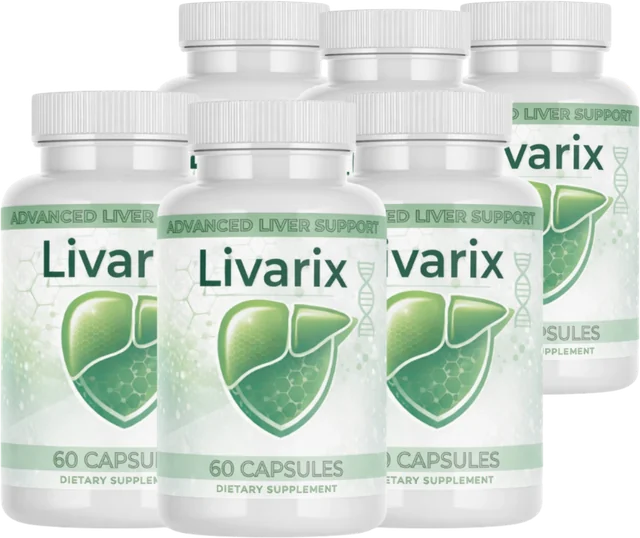
The sales page itself advises showing the bottle to your doctor before taking it, especially if you are on medication. The advice is not a formality. It is the check the seller recommends, and it costs a few minutes. If you are unsure about anything on the bottle or the page, write the question down and take it with you, because a prepared question gets a clearer answer in a short appointment than a general worry does. If you decide to order afterwards, the 3-bottle pack is the middle option, and we may earn from that link at no extra cost to you.
Frequently asked questions
Can Livarix Capsules replace my diabetes medicine?
No. Nothing we cite says a supplement can, and you should never replace a medicine with one.
Does milk thistle interact with metformin?
Our sources do not name metformin. They note small studies on blood sugar for milk thistle extracts, so ask your pharmacist.
Should I test my blood sugar more if I start the capsules?
Ask your doctor, who knows your care plan. Do not change your testing or your dose without advice.
What if I feel shaky or dizzy after starting?
Stop the capsules and contact a healthcare professional. If it feels urgent, get urgent care first.
Medical review: Dr. Alexis David, MD, Physician. Review covers label accuracy and safety wording. It is not an endorsement. How review works.
Sources
- NCCIH: Dandelion. www.nccih.nih.gov
- NCCIH: Milk Thistle. www.nccih.nih.gov
- Memorial Sloan Kettering: Alfalfa (About Herbs). www.mskcc.org
- LiverTox (NIDDK, NCBI Bookshelf): Turmeric. www.ncbi.nlm.nih.gov
- NCCIH: Turmeric. www.nccih.nih.gov
- NIH Office of Dietary Supplements: Dietary Supplements: What You Need to Know. ods.od.nih.gov
Safety: Livarix Capsules is a dietary supplement, not a medicine. Follow the directions printed on your bottle (the sales page says two capsules a day with water, in the morning with food) and talk to your healthcare provider first, especially if you have a liver, gallbladder or bile duct condition, take any prescription medicine (including blood thinners, diabetes or blood pressure medicines and water pills), have lupus, gout or a hormone-sensitive condition, are allergic to ragweed or daisy-family plants, or are pregnant or nursing. Stop and call a doctor if you notice yellow skin or eyes, dark urine, unusual tiredness, nausea or poor appetite. Not for anyone under 18.
This site is an independent information site, not the manufacturer of Livarix Capsules. We may earn from order links on this site; order links are marked sponsored. *These statements have not been evaluated by the Food and Drug Administration. This product is not intended to diagnose, treat, cure or prevent any disease. Page updated November 25, 2026.