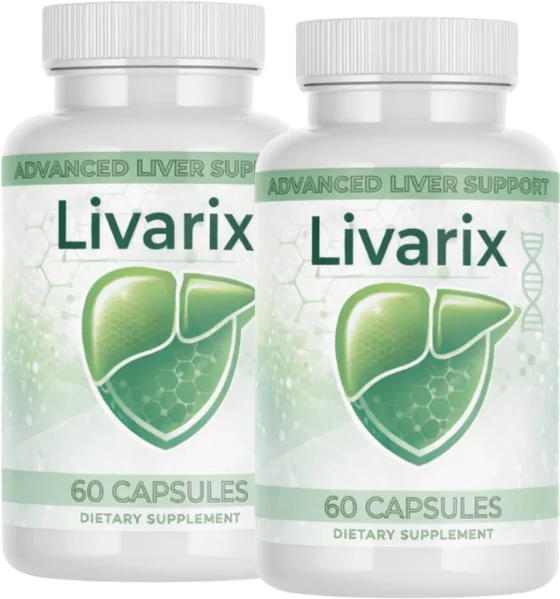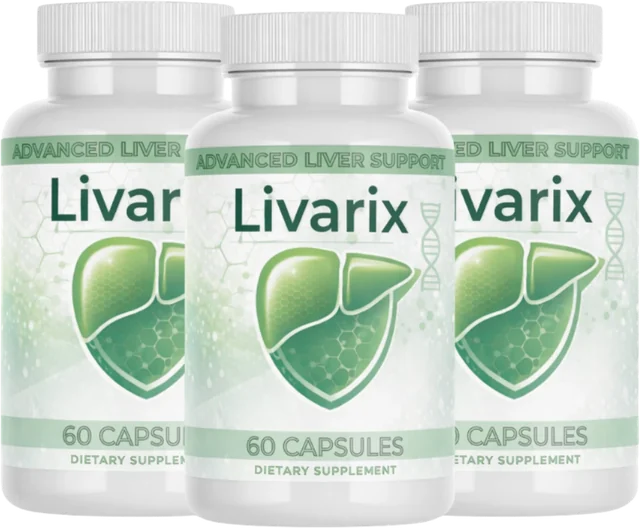
Anonymous reports of Livarix Capsules side effects cannot be verified, so match each one against the public cautions for the named ingredients and take anything serious to a doctor, not a thread. We found no verifiable forum thread on November 25, 2026, and we link to none.
Reading what other people experienced is natural before you start a supplement. The risk is that a thread can sound alarming or reassuring without telling you anything about your own body. This post shows how to read side-effect reports against sources you can check.
Why can a forum report not settle the question?
A forum report cannot settle it because you cannot confirm the product, the amount, the person's other medicines or whether the capsule caused the symptom at all. A symptom that appears after a new supplement may have another cause.
LiverTox notes that products with many ingredients make it hard to tell which ingredient is responsible for an effect.[1] That is as true for a post as for a study. Livarix lists eight ingredients, so one report could point to any of them, or to none. Our side effects page collects the cautions from sources you can open, and it is a better starting point than a thread.
Which reported effects match the public sources?
The common ones are digestive, and the sources name them by ingredient. Use the table to see whether a report fits a known caution; fit does not prove cause.
| Reported effect | Where a source lists it |
|---|---|
| Nausea or vomiting | Turmeric (NCCIH), ginger (NCCIH) |
| Heartburn or stomach upset | Turmeric, ginger (NCCIH) |
| Diarrhea or loose stools | Turmeric, ginger (NCCIH), alfalfa (Memorial Sloan Kettering) |
| Bloating or gas | Milk thistle (NCCIH), alfalfa (Memorial Sloan Kettering) |
| Pink or red urine | Beet root, as beeturia (StatPearls) |
NCCIH lists nausea, vomiting, heartburn, stomach upset, diarrhea and constipation for turmeric,[2] and stomach discomfort, heartburn, diarrhea and mouth or throat irritation for ginger.[3] It lists bloating, nausea and gas for milk thistle.[4] Memorial Sloan Kettering lists loose stools, abdominal discomfort and gas for alfalfa.[5]
What about pink or red urine?
Pink or red urine after beets or beet colouring is called beeturia, which occurs in about 10 to 14 percent of people.[6] It is more common with iron deficiency. Beet root powder is the second-largest ingredient listed here, at 200 mg per the sales page.
A report of colored urine may therefore fit the beet and not the liver. But colour alone cannot tell you which, and dark urine, which is different from pink or red, belongs on the liver warning list. If you are unsure, call your doctor. Our dark urine post explains the difference in detail, and the beeturia explainer covers the pigment itself.
Which reports should send me to a doctor?
Any report of the signs below needs a healthcare professional, whatever the thread says about it. They are the ones the turmeric sources single out.
- Unusual tiredness that does not fit your week.
- Nausea or poor appetite that lingers.
- Dark urine.
- Yellow skin or eyes.
- A rash, swelling or trouble breathing, which suggests an allergy.
NCCIH says to stop a turmeric product and contact a provider if you notice fatigue, nausea, poor appetite, dark urine or yellow skin or eyes, after reports of liver injury in some people taking highly bioavailable curcumin products.[2] Our liver warning signs page lists them with their sources. A forum cannot examine you and a doctor can, and a doctor can order the blood tests that tell a liver problem from an upset stomach, which no amount of reading can do for you.
What should I do if I have a reaction?
Stop the capsules, contact a healthcare professional and keep the bottle. Do not wait for a thread to tell you whether it is serious.
Then report it. The FDA explains that you can report a problem with a dietary supplement through its Safety Reporting Portal or MedWatch. A report helps regulators see patterns that no single forum can. Note the date you started and stopped, the pack, any medicines you take and the symptoms. If you want a refund as well, our refund how-to post gives the seller's steps, and a claim never replaces medical care.
How do I read a thread without being misled?
Read it as one anonymous account, check it against the public lists, and look for signs of advertising. A post can mention a symptom to sound candid and then push a link or a rival product.
Ask these questions of any thread:
- Does it name the product, the pack and the amount taken?
- Does it mention other medicines or conditions?
- Does it say whether a doctor was told?
- Does it recommend a link, a code or another product?
If the answers are mostly no, the post tells you little. Our posts on Reddit threads and on the Trustpilot profile cover reading each type of source. Before any capsule, show the bottle to your doctor or pharmacist, as the sales page itself advises.
Frequently asked questions
Do Livarix Capsules cause stomach upset?
Stomach upset is listed for turmeric and ginger in NCCIH's pages, so it is a known caution for two of the ingredients. We have no test of this product.
Is dark urine a normal side effect?
Dark urine is one of the signs NCCIH tells people to act on with turmeric products. Stop and contact a provider.
Can I trust a thread that promises a side-effect-free product?
No. No supplement can promise that, and the sources list side effects for several of these ingredients, from stomach upset to rare liver injury.
Where do I report a bad reaction?
Through the FDA's Safety Reporting Portal or MedWatch, after you have seen a healthcare professional.
Medical review: Dr. Alexis David, MD, Physician. Review covers label accuracy and safety wording. It is not an endorsement. How review works.
Sources
- LiverTox (NIDDK, NCBI Bookshelf): Turmeric. www.ncbi.nlm.nih.gov
- NCCIH: Turmeric. www.nccih.nih.gov
- NCCIH: Ginger: Usefulness and Safety. www.nccih.nih.gov
- NCCIH: Milk Thistle. www.nccih.nih.gov
- Memorial Sloan Kettering: Alfalfa (About Herbs). www.mskcc.org
- StatPearls (NCBI Bookshelf): Beeturia. www.ncbi.nlm.nih.gov
Safety: Livarix Capsules is a dietary supplement, not a medicine. Follow the directions printed on your bottle (the sales page says two capsules a day with water, in the morning with food) and talk to your healthcare provider first, especially if you have a liver, gallbladder or bile duct condition, take any prescription medicine (including blood thinners, diabetes or blood pressure medicines and water pills), have lupus, gout or a hormone-sensitive condition, are allergic to ragweed or daisy-family plants, or are pregnant or nursing. Stop and call a doctor if you notice yellow skin or eyes, dark urine, unusual tiredness, nausea or poor appetite. Not for anyone under 18.
This site is an independent information site, not the manufacturer of Livarix Capsules. We may earn from order links on this site; order links are marked sponsored. *These statements have not been evaluated by the Food and Drug Administration. This product is not intended to diagnose, treat, cure or prevent any disease. Page updated November 25, 2026.