How much L-cysteine is in Livarix Capsules?
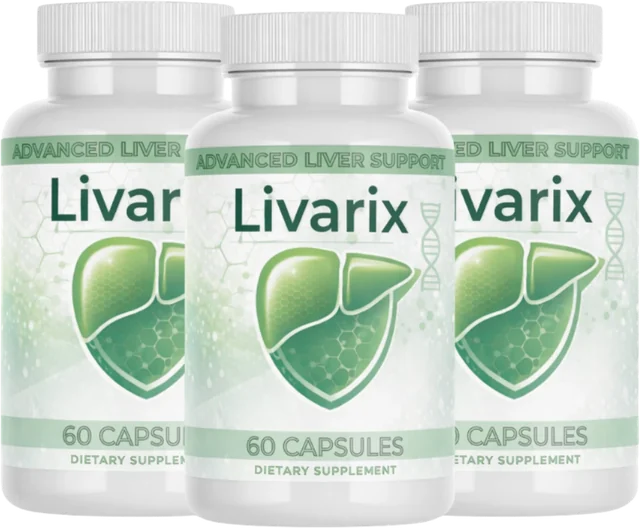
The sales page lists 10 mg of L-cysteine HCl in Livarix Capsules, the smallest of its eight ingredients. It does not say whether the 10 mg is per capsule or per two-capsule serving, so check the panel on your bottle.
L-cysteine is the only ingredient in this formula that is not a plant powder or extract. It is an amino acid, one of the building blocks of protein, supplied here as a salt with hydrochloric acid, which is what "HCl" means. That form is common for amino acids in supplements because it is stable and dissolves easily.
What is L-cysteine?
L-cysteine is an amino acid, a building block of the proteins used throughout the body, according to the Mount Sinai Health Library[1]. The body can make cysteine from methionine, another amino acid, and uses cysteine to make glutathione, which the library describes as an antioxidant.
The "L" refers to the natural form of the molecule, the one found in food proteins. You will sometimes see it written simply as cysteine. It is not a vitamin or a mineral, and it has no Daily Value on a supplement panel.
| Point | What the source says |
|---|---|
| What is it? | An amino acid, a building block of proteins |
| Can the body make it? | Yes, from methionine |
| What does the body use it for? | Among other things, making glutathione |
| Is it in food? | Yes, in most high-protein foods |
Where is L-cysteine found in food?
L-cysteine is found in most high-protein foods, according to the Mount Sinai Health Library, which lists examples such as ricotta, cottage cheese, yogurt, pork, chicken, turkey, wheat germ and oat flakes[1]. A normal diet with protein provides cysteine every day.
That puts 10 mg in context. It is a very small amount compared with what a protein-containing meal provides, which is why we describe it here as a minor ingredient. We have no source that says a 10 mg supplement amount has any effect on its own.
How is L-cysteine different from NAC?
L-cysteine is the amino acid; N-acetylcysteine, usually called NAC, is a modified form of it. Memorial Sloan Kettering describes NAC as a dietary supplement derived from L-cysteine, and notes that NAC is also used as a medicine for acetaminophen overdose and to help break up mucus[2].
The difference matters for two reasons. First, research and marketing about NAC are not about L-cysteine HCl at 10 mg, so claims you read about NAC should not be transferred to this product. Second, the medical use of NAC for acetaminophen overdose is hospital care given at very different amounts. If you or someone else has taken too much acetaminophen, get emergency help at once; no supplement is a substitute.
What does the evidence say about L-cysteine?
Our sources do not study L-cysteine at 10 mg for the liver or for any other use, so we have no evidence to report. The Mount Sinai Health Library notes that more studies are needed on cysteine supplements in general[1].
The sales page describes L-cysteine as a precursor to glutathione, which is chemically accurate in the sense that the body uses cysteine to make glutathione. It does not follow that 10 mg in a capsule changes glutathione levels, and our sources do not say it does. We do not repeat any liver claim for it.
Is L-cysteine safe?
L-cysteine is part of normal food protein, and 10 mg is a very small amount. We have no source that sets a safety limit for L-cysteine supplements or reports specific side effects at this amount.
That does not make the product as a whole low-risk for everyone. The NIH Office of Dietary Supplements says supplements can have side effects, and that risks rise with high doses, many products taken together or using supplements in place of medicines.[3] The main cautions in this formula belong to turmeric, artichoke and alfalfa, as the safety page explains.
Does L-cysteine interact with medicines?
Our sources do not list interactions for L-cysteine at this amount. Memorial Sloan Kettering's NAC page advises telling your healthcare providers about any dietary supplements you take, so they can manage your care and keep you safe[2].
That is the right approach for the whole product. Show your pharmacist the bottle and your list of medicines, and point out the ingredients with specific notes: dandelion for blood thinners, diabetes medicines and water pills, and alfalfa for blood thinners. The medicines page has a question builder that turns the notes into plain questions.
Is L-cysteine vegetarian or vegan?
The sales page does not say where its L-cysteine comes from, so we cannot tell you whether it is suitable for vegetarians or vegans. Amino acids for supplements can be made in more than one way, and the source is not usually shown on a label.
If this matters to you, ask the order desk in the seller's notes, +1 (302) 200-3480, before you buy. Ask about the capsule shell at the same time, since the panel's other ingredients line will show whether it is gelatin, which comes from animals, or a plant-based material.
Is L-cysteine safe in pregnancy?
We have no source on L-cysteine supplements in pregnancy or breastfeeding. Cysteine itself is a normal part of the diet, but this product contains other ingredients with clear pregnancy cautions: NCCIH says turmeric supplements may be unsafe in pregnancy, and Memorial Sloan Kettering advises avoiding alfalfa in pregnancy and breastfeeding.
If you are pregnant, trying to conceive or nursing, ask your doctor or midwife before taking Livarix Capsules. The pregnancy and nursing page lists every ingredient's note.
What does "HCl" mean on the label?
"HCl" stands for hydrochloride, meaning the amino acid is supplied as a salt formed with hydrochloric acid. That is a common way to make amino acids stable and easy to handle in manufacturing.
The 10 mg on the sales page probably refers to the salt as a whole, not to the cysteine alone, but the page does not say. The difference at this amount is small. The panel on your bottle should name the form; if it simply says "L-cysteine", ask the seller which form is used.
What should I ask before taking it?
Ask the same questions you would ask about the whole product, because L-cysteine is unlikely to be the deciding ingredient. These cover the points our sources raise across the formula:
- Is turmeric, at 300 mg, sensible for me given my liver history?
- Do I have a gallbladder, bile duct or liver condition that rules out artichoke?
- Do I have lupus, gout or a hormone-sensitive condition that rules out alfalfa?
- Do I take a blood thinner, a diabetes medicine or a water pill, given the dandelion?
- Am I pregnant, trying to conceive or breastfeeding?
If none of those applies and your doctor or pharmacist is comfortable, L-cysteine itself gives little reason for concern at 10 mg. Keep the bottle and a list of what you take, and tell every provider you see.
Why do supplement labels mention glutathione so often?
Glutathione appears on many supplement labels because it is a well-known antioxidant made by the body, and marketing often links ingredients to it. The Mount Sinai Health Library says the body uses cysteine to make glutathione, which is a fact about how the body works.
Turning that into a claim about a product is a different step. A small amount of an amino acid the body already gets from food is not evidence of any change, and the FTC says health claims need competent and reliable scientific evidence.[4] When you see glutathione on a label, ask what the evidence is for that product, not for the chemistry in general.
Does the FDA check L-cysteine supplements?
No. The FDA does not approve dietary supplements for safety or effectiveness before they are sold, and firms are responsible for their own products and labels.[5] That applies to every ingredient in this product.
So, as with the other seven, the only check on what is in the capsule is the panel on your bottle and the seller's willingness to answer questions. The legit page lists what we could and could not verify about this seller.
How much of the formula is L-cysteine?
L-cysteine is 10 of the 780 mg on the sales page's list, about 1 percent. It is the smallest single item, half the amount of alfalfa.
| Ingredient | Amount (sales page) | Share of 780 mg |
|---|---|---|
| Turmeric root | 300 mg | about 38% |
| Beet root | 200 mg | about 26% |
| Dandelion leaf | 100 mg | about 13% |
| Artichoke, ginger, milk thistle | 50 mg each | about 6% each |
| Alfalfa leaf | 20 mg | about 3% |
| L-cysteine HCl | 10 mg | about 1% |
The ingredients page lists all eight with their source notes.
What should I check on the panel?
On the panel, check the L-cysteine line for the amount and the form, and check the serving size. Also read the other ingredients line for the capsule shell if you avoid animal products.
If the panel differs from the sales page, follow the panel. The supplement facts page explains how to read each line.
Frequently asked questions
Is the L-cysteine in Livarix Capsules the same as NAC?
No. NAC is a modified form of L-cysteine. Research on NAC does not apply to 10 mg of L-cysteine HCl.
Why is L-cysteine in a liver supplement?
The sales page links it to glutathione. Our sources do not show that 10 mg changes anything, so we make no claim.
Is 10 mg of L-cysteine a lot?
No. It is a very small amount compared with what protein-containing foods supply each day.
Is the L-cysteine in Livarix Capsules from animals?
The sales page does not say. Ask the order desk if it matters to you.
Can I take Livarix Capsules for an acetaminophen overdose?
No. An overdose is an emergency. Call emergency services or poison control at once.
Medical review: Dr. Alexis David, MD, Physician. Review covers label accuracy and safety wording. It is not an endorsement. How review works.
Sources
- Mount Sinai Health Library: Cysteine. www.mountsinai.org
- Memorial Sloan Kettering: N-acetylcysteine (About Herbs). www.mskcc.org
- NIH Office of Dietary Supplements: Dietary Supplements: What You Need to Know. ods.od.nih.gov
- FTC: Health Products Compliance Guidance. www.ftc.gov
- FDA: FDA 101: Dietary Supplements. www.fda.gov
Safety: Livarix Capsules is a dietary supplement, not a medicine. Follow the directions printed on your bottle (the sales page says two capsules a day with water, in the morning with food) and talk to your healthcare provider first, especially if you have a liver, gallbladder or bile duct condition, take any prescription medicine (including blood thinners, diabetes or blood pressure medicines and water pills), have lupus, gout or a hormone-sensitive condition, are allergic to ragweed or daisy-family plants, or are pregnant or nursing. Stop and call a doctor if you notice yellow skin or eyes, dark urine, unusual tiredness, nausea or poor appetite. Not for anyone under 18.
This site is an independent information site, not the manufacturer of Livarix Capsules. We may earn from order links on this site; order links are marked sponsored. *These statements have not been evaluated by the Food and Drug Administration. This product is not intended to diagnose, treat, cure or prevent any disease. Page updated November 25, 2026.