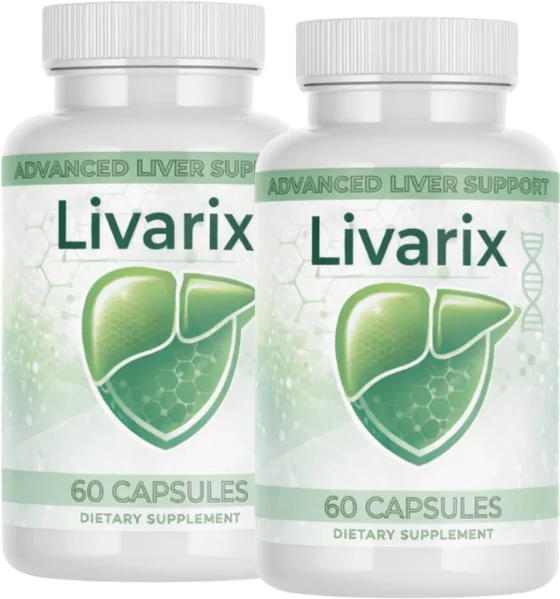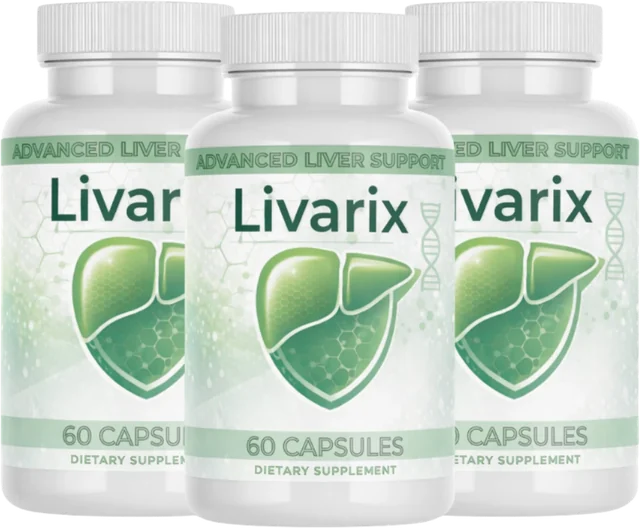
A liver "detox" claim on a supplement is a marketing phrase, not a finding, and the FDA does not approve supplements for safety or effectiveness before they are sold. The Livarix Capsules label we saw prints "Advanced Liver Support", and we make no "detox" claim of our own.
Such words are everywhere, which is why they are worth reading carefully. This page explains how label wording is regulated, what a claim can and cannot tell you and how to check one before you buy.
What does a "detox" claim mean on a label?
It usually means very little that you can test. The word "detox" has no agreed definition on a supplement label, and no source we cite shows that a capsule can "cleanse" the liver or remove "toxins".
The liver is a working organ, and the sources we cite describe injury from supplements, not a cleaning job for them to do. LiverTox says that herbal and dietary supplements were implicated in about 10 percent, and more recently over 16 percent, of cases in the US Drug-Induced Liver Injury Network.[1] A product sold on the idea of looking after the liver is therefore worth reading with extra care, not less.
What may a supplement label legally say?
A label may make a structure/function claim, which describes an effect on the body's normal structure or function, but it may not claim to "diagnose, treat, cure or prevent" a disease. The FDA says such claims need a disclaimer and are not pre-approved by the agency.[2]
That is why you see the statement that "these statements have not been evaluated by the FDA". It is a legal requirement, not a seal of approval. "Advanced Liver Support" is the kind of wording that falls into this category, and it is printed on the Livarix label. We quote it as printed and do not upgrade it, and we make no claim about what the capsules do. Our label claims page reads each phrase on the label in turn.
Who checks the evidence behind a claim?
The seller does, first, and the FTC can act if the evidence is thin. The FTC says health claims need competent and reliable scientific evidence, which means more than a story, a quote or a study of something else.[3]
The FDA states that firms are responsible for their own products and labels, and that it does not approve supplements before sale.[4] The practical result is that the first check falls to you. A phrase on a page tells you what the seller wants you to think. It does not tell you what was tested, in whom or with what amount, and it cannot say how a formula with eight ingredients behaves in your body.
How do I test a claim before I buy?
Ask four plain questions of any claim, and keep the page open while you do. If a page cannot answer them, that is information.
- What exactly is being claimed, in the seller's own words?
- Is there a study, and was it in people, with this product or ingredient at this amount?
- Does the label show a Supplement Facts panel so I can see the amounts?
- Who is the seller, and how do I contact them?
NCCIH reminds readers that "natural" does not always mean safe, that some supplements interact with medicines and that contents can differ from the label.[5] A claim about the liver is a claim about an organ that you cannot easily check yourself, so a professional's view matters more than a page's, and a seller's enthusiasm matters least of all. If a page uses the word "detox" in its headline, look at what it says underneath, because the claim often softens to a general statement once you read the fine print.
What do the sources say about this formula's ingredients?
They say the evidence is modest and the cautions are real. NCCIH says research on turmeric for conditions such as fatty liver disease is extensive but not strong enough to confirm a benefit, and it notes liver injury in some people taking highly bioavailable curcumin products.[6]
For milk thistle, NCCIH calls the evidence for liver conditions insufficient, and for dandelion it says there is no compelling evidence for any condition. Our ingredients page lists all eight with their notes. We have read the sales page and found no verified proof of any "detox" effect, so we do not repeat one. The seller's badges, such as "Natural Formula" and "No Stimulants", are the seller's claims, and we show them as supplied by the seller and not verified by us.
What is a sensible approach for someone who is curious?
Regard any liver claim as a question for your doctor, not as a reason to buy. Doctors can test, weigh your medicines and say whether anything is needed, and a supplement cannot do those things.
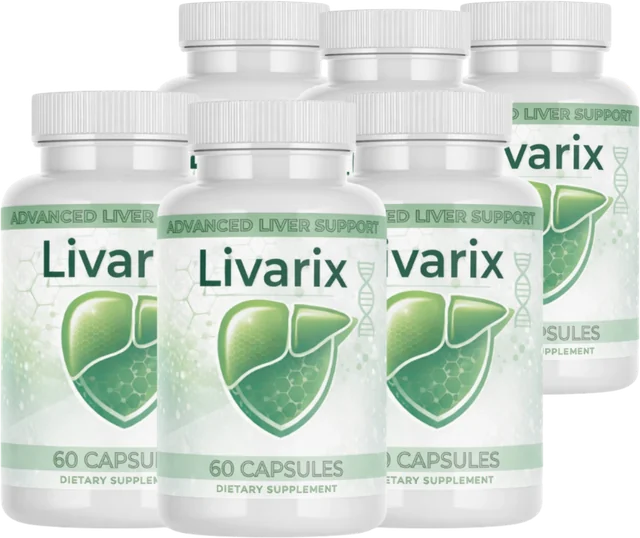
If you still want to try a product, show the bottle to your doctor or pharmacist first, as the sales page itself advises. Know the warning signs, which our liver warning signs page lists, and stop at the first one. If you decide to order afterwards, the 3-bottle pack is the middle option, and we may earn from that link at no extra cost to you. The total on the final screen is the price.
Frequently asked questions
Does the FDA approve liver supplements?
No. The FDA says it does not approve supplements for safety or effectiveness before sale.
What does "not evaluated by the FDA" mean?
It means the agency has not reviewed the claim. It is a required statement, not a rating.
Can a supplement "flush" anything out of my liver?
No source we cite shows that. We make no such claim.
Is "liver support" on a label the same as a medical claim?
It is a structure/function style phrase. It may not claim to "diagnose, treat, cure or prevent" a disease.
Medical review: Dr. Alexis David, MD, Physician. Review covers label accuracy and safety wording. It is not an endorsement. How review works.
Sources
- LiverTox (NIDDK, NCBI Bookshelf): Herbal and Dietary Supplements. www.ncbi.nlm.nih.gov
- FDA: Structure/Function Claims. www.fda.gov
- FTC: Health Products Compliance Guidance. www.ftc.gov
- FDA: FDA 101: Dietary Supplements. www.fda.gov
- NCCIH: Using Dietary Supplements Wisely. www.nccih.nih.gov
- NCCIH: Turmeric. www.nccih.nih.gov
Safety: Livarix Capsules is a dietary supplement, not a medicine. Follow the directions printed on your bottle (the sales page says two capsules a day with water, in the morning with food) and talk to your healthcare provider first, especially if you have a liver, gallbladder or bile duct condition, take any prescription medicine (including blood thinners, diabetes or blood pressure medicines and water pills), have lupus, gout or a hormone-sensitive condition, are allergic to ragweed or daisy-family plants, or are pregnant or nursing. Stop and call a doctor if you notice yellow skin or eyes, dark urine, unusual tiredness, nausea or poor appetite. Not for anyone under 18.
This site is an independent information site, not the manufacturer of Livarix Capsules. We may earn from order links on this site; order links are marked sponsored. *These statements have not been evaluated by the Food and Drug Administration. This product is not intended to diagnose, treat, cure or prevent any disease. Page updated November 25, 2026.