Liver enzymes are substances measured in a routine blood test, and some supplement-related liver problems show up only as raised enzymes, with no symptoms at all. LiverTox says many people with such injury have mild or no symptoms, which is why telling your doctor about every supplement matters.
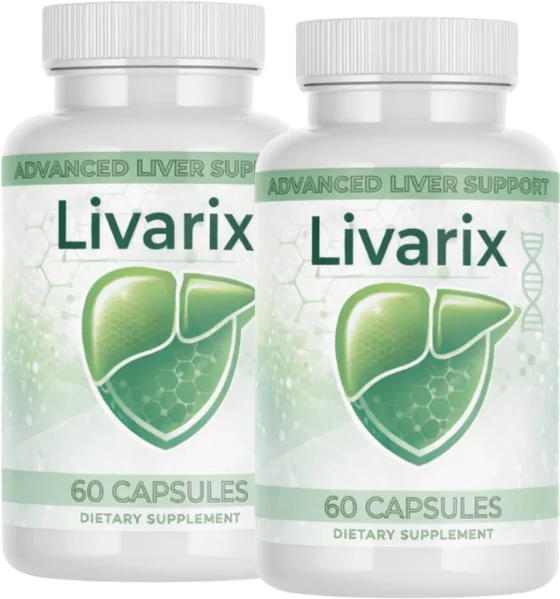
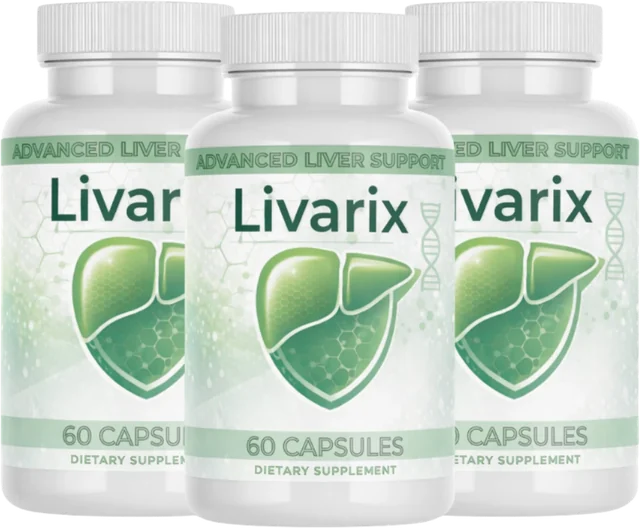
This page explains what that means in plain terms for anyone considering a product with turmeric, such as Livarix Capsules. It does not say what your results should be, and it makes no claim that any supplement changes them.
Why do supplements come up in liver cases?
They come up because supplements are common and are sold without FDA approval for safety or effectiveness first. LiverTox says supplements were implicated in about 10 percent, and more recently over 16 percent, of cases in the US Drug-Induced Liver Injury Network.[1]
The same source says manufacturers do not need FDA approval before marketing, and the FDA confirms that it does not approve supplements for safety or effectiveness before sale, and that firms are responsible for their own products and labels.[2] None of this means that supplements usually harm the liver. It means that when a liver problem is investigated, a supplement is a real possibility, and your doctor needs to know about yours.
What are liver enzymes, and what does a raised level mean?
They are measured in a standard blood test, and a raised level can be a sign that the liver is irritated or injured. What caused it is a question for your doctor, who reads the result alongside your history, medicines and symptoms.
LiverTox notes that many people with supplement-related injury have only raised enzymes and mild or no symptoms, and that severe signs include jaundice, a yellow tint to skin or eyes.[1] The practical lesson is that feeling well is not proof that a test is normal. We cannot tell you what your numbers mean, and nor can any web page. If you have had a result you do not understand, ask the doctor who ordered it, and ask what the number was compared with, since different laboratories use different ranges and a single figure means little on its own.
Why is a multi-ingredient product harder to read?
Because if something goes wrong, nobody can easily tell which ingredient is responsible. LiverTox says multi-ingredient products make this hard, and that unlabeled ingredients and substituted botanicals have been found in supplements.[1]
Livarix Capsules lists eight ingredients on the sales page, and no Supplement Facts panel was supplied, so we cannot confirm amounts. Turmeric is the largest, at 300 mg, and LiverTox says it appears to have become the most common cause of clinically apparent herbal-related liver injury in the United States.[3] That makes a clear record of when you started and what else you take especially useful. Our turmeric page lists every note from the sources.
What should I tell my doctor?
Tell your doctor everything you take, in writing, and bring the bottle. LiverTox reports that up to 40 percent of people attending liver clinics use supplements, and most do not tell their primary care provider.[1]
Bring this information:
- The product name, the pack and the date you started.
- The amount you take and the time of day.
- Every other supplement and every medicine, with doses.
- How much alcohol you drink, honestly.
- Any symptom you have noticed, even if it seems unrelated.
The NIH says to tell your providers about everything you take, because supplements can have side effects and risks rise with many products.[4] A short written list makes it easy, and it is worth updating whenever you start or stop anything, because the order in which you started things is exactly what a doctor needs to read a result in context.
Should I ask for a blood test?
Ask your doctor whether a blood test makes sense for you, and let the doctor decide. We cannot say who needs one, and the sources we cite do not set a schedule for this product.
Reasonable reasons to raise it include a liver or bile duct condition, a medicine with a liver warning, regular alcohol use or a plan to take a turmeric product for some time. If you have blood tests regularly already, tell the doctor about the capsules so the results can be read correctly. Our medications page lists the medicine groups the sources flag. Do not take a supplement in the hope of changing a test result, since we make no such claim and no source we cite supports one.
What if I notice a warning sign?
Stop the capsules and contact a healthcare professional. NCCIH advises stopping a turmeric product and contacting a provider if you have fatigue, nausea, poor appetite, dark urine or yellow skin or eyes.[5]
LiverTox says that if liver injury is suspected, you should stop all supplements and tell your provider about every one. Our liver warning signs page lists the signs, and our dark urine post explains how beets can confuse the colour. If you need urgent care, get it first, and report a problem with a supplement to the FDA through its Safety Reporting Portal or MedWatch afterwards.
Frequently asked questions
Can a supplement raise liver enzymes without causing symptoms?
LiverTox says many people with supplement-related injury have only raised enzymes and mild or no symptoms.
Do I have to stop all supplements before a blood test?
Ask your doctor. Tell the doctor about every supplement you take, whatever the answer.
Do Livarix Capsules change liver test results?
We make no claim about that. The sources we cite do not test this product.
Who orders a liver blood test?
Your doctor or another licensed clinician does. We cannot order or interpret tests.
Medical review: Dr. Alexis David, MD, Physician. Review covers label accuracy and safety wording. It is not an endorsement. How review works.
Sources
- LiverTox (NIDDK, NCBI Bookshelf): Herbal and Dietary Supplements. www.ncbi.nlm.nih.gov
- FDA: FDA 101: Dietary Supplements. www.fda.gov
- LiverTox (NIDDK, NCBI Bookshelf): Turmeric. www.ncbi.nlm.nih.gov
- NIH Office of Dietary Supplements: Dietary Supplements: What You Need to Know. ods.od.nih.gov
- NCCIH: Turmeric. www.nccih.nih.gov
Safety: Livarix Capsules is a dietary supplement, not a medicine. Follow the directions printed on your bottle (the sales page says two capsules a day with water, in the morning with food) and talk to your healthcare provider first, especially if you have a liver, gallbladder or bile duct condition, take any prescription medicine (including blood thinners, diabetes or blood pressure medicines and water pills), have lupus, gout or a hormone-sensitive condition, are allergic to ragweed or daisy-family plants, or are pregnant or nursing. Stop and call a doctor if you notice yellow skin or eyes, dark urine, unusual tiredness, nausea or poor appetite. Not for anyone under 18.
This site is an independent information site, not the manufacturer of Livarix Capsules. We may earn from order links on this site; order links are marked sponsored. *These statements have not been evaluated by the Food and Drug Administration. This product is not intended to diagnose, treat, cure or prevent any disease. Page updated November 25, 2026.