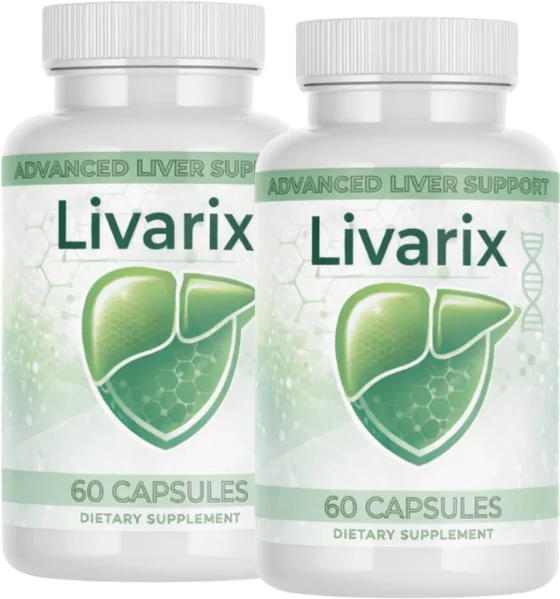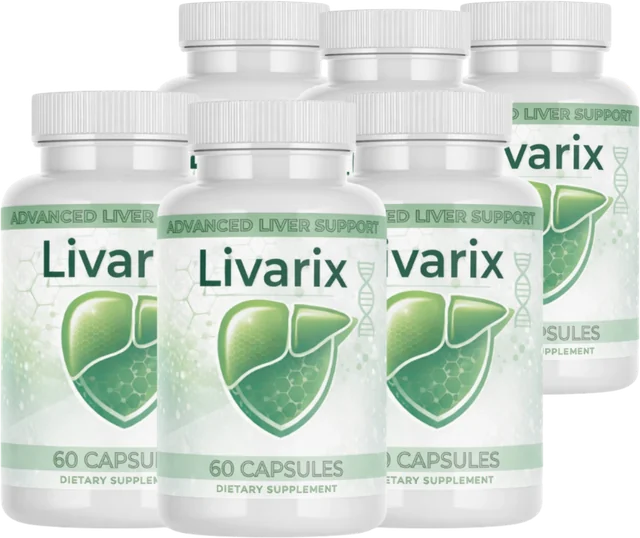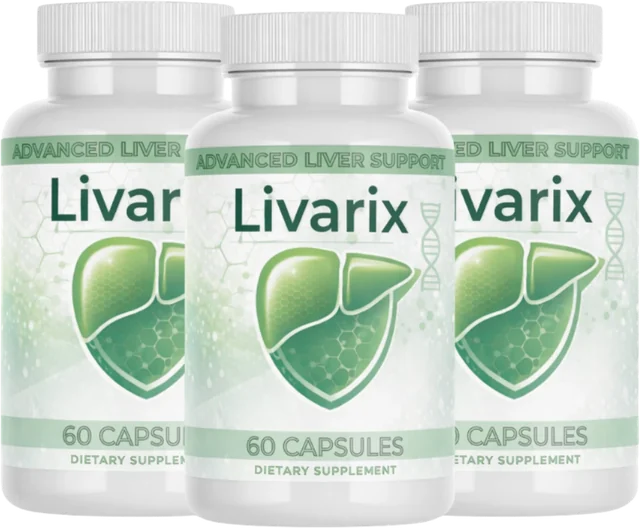
Beeturia is pink or red urine after eating beets or beet colouring, and a medical source says it occurs in about 10 to 14 percent of people. Beet root powder is the second-largest ingredient on the Livarix Capsules sales page, at 200 mg, so it can matter for anyone who takes them.
It is usually a colour effect, not a symptom. But colour alone cannot tell you everything, and a different sign, dark urine, belongs on the warning list for the turmeric in the same formula. This page explains the difference.
What exactly is beeturia?
It is the passing of pink or red urine after a person has eaten beets or foods coloured with beet pigment. StatPearls, a medical reference, describes it as a harmless-looking colour change that can alarm people who do not know the cause.[1]
A research paper on the biological fate of beetroot pigments explains that the pigments are normally broken down in the body, and that in some people a portion passes into the urine unchanged.[2] The effect depends on the person, not only on the amount of beet eaten, which is why two people can eat the same meal and see different results. The tint can range from pale pink to deep red.
How common is it?
StatPearls says beeturia occurs in about 10 to 14 percent of people, and more often in people with iron deficiency.[1] That means most people never see it, and a minority see it regularly.
Because it is more common with iron deficiency, a reader who sees it often, or who has symptoms such as unusual tiredness or pale skin, may want to mention it to a doctor. We do not diagnose anything, and the source does not say that beeturia proves a deficiency. It says only that the two go together more often than by chance. Our beet root page lists the other notes from the sources.
Is beeturia the same as dark urine?
No, and the difference matters for the turmeric in the capsules. Beeturia is a pink or red tint, while the sign NCCIH names for turmeric products is dark urine, together with fatigue, nausea, poor appetite or yellow skin or eyes.[3]
| What you notice | What it may point to | What to do |
|---|---|---|
| Pink or red urine after beets, otherwise well | Beeturia | Mention it to your doctor if unsure |
| Dark urine | The turmeric warning list | Stop the product and contact a provider |
| Dark urine with tiredness, nausea or poor appetite | The turmeric warning list | Stop and contact a provider promptly |
| Red urine with pain, or when no beets are involved | Not covered by our sources | See a doctor |
Our dark urine post walks through the decision in more detail. If you cannot tell which you have, regarding it as the second is the cautious choice, because a doctor can sort it out quickly.
Does the beet root in Livarix Capsules cause it?
It may in some people, but we have no test of this product. The sales page lists beet root powder at 200 mg, and no Supplement Facts panel was supplied, so we cannot confirm the amount or say whether it is per capsule or per serving.
Whether a particular dose of powder is enough to colour urine is not covered by the sources we cite. If you notice pink or red urine after starting the capsules, note the date, the number of capsules and whether you also ate beets, and tell your doctor or pharmacist. Do not assume the cause, and do not ignore a change that comes with other symptoms. The sales page advises showing the bottle to your doctor before taking it.
When should I see a doctor?
See a doctor in any of these situations:
- Red urine comes with pain, a fever or other symptoms.
- It continues when you have not eaten beets or taken a beet product.
- You are unsure what is causing it, or it worries you.
Seeing a doctor costs little and settles the question, which is better than guessing from colour alone. Our sources do not cover those situations, so a professional is the right person to ask.
Stop the capsules and contact a healthcare professional if you also notice fatigue, nausea, poor appetite, dark urine or yellow skin or eyes. LiverTox says a severe outcome is more likely if turmeric is continued after signs of liver injury appear.[4] Our liver warning signs page lists the signs in plain words. If you need urgent care, get it first.
What else should I know about beets in a supplement?
Little beyond the colour effect is covered by the sources we cite for this product. We found no claims we can repeat about what beet root powder does in a capsule, and we make none.
What we can say is that the NIH advises telling your providers about everything you take, and that this includes a product with a food-derived ingredient.[5] Food-derived does not mean free of cautions. If you take medicine, keep a written list and show it with the bottle. Our ingredients page lists all eight ingredients with the notes for each, and our safety page brings the cautions together.
Frequently asked questions
Does beeturia mean something is wrong with my kidneys or liver?
Our sources describe it as a colour effect. If you are worried, or have other symptoms, ask a doctor.
Is red urine from beets dangerous?
StatPearls describes beeturia as a colour change. A doctor should look at red urine that comes with pain or that has no beet explanation.
How long does beeturia last?
Our sources do not say. If it persists without beets, see a doctor.
Can I tell beeturia from blood in the urine?
Not reliably by eye. If you cannot link the colour to beets, have a doctor check.
Medical review: Dr. Alexis David, MD, Physician. Review covers label accuracy and safety wording. It is not an endorsement. How review works.
Sources
- StatPearls (NCBI Bookshelf): Beeturia. www.ncbi.nlm.nih.gov
- Watts et al., Beeturia and the biological fate of beetroot pigments (Pharmacogenetics, PubMed). pubmed.ncbi.nlm.nih.gov
- NCCIH: Turmeric. www.nccih.nih.gov
- LiverTox (NIDDK, NCBI Bookshelf): Turmeric. www.ncbi.nlm.nih.gov
- NIH Office of Dietary Supplements: Dietary Supplements: What You Need to Know. ods.od.nih.gov
Safety: Livarix Capsules is a dietary supplement, not a medicine. Follow the directions printed on your bottle (the sales page says two capsules a day with water, in the morning with food) and talk to your healthcare provider first, especially if you have a liver, gallbladder or bile duct condition, take any prescription medicine (including blood thinners, diabetes or blood pressure medicines and water pills), have lupus, gout or a hormone-sensitive condition, are allergic to ragweed or daisy-family plants, or are pregnant or nursing. Stop and call a doctor if you notice yellow skin or eyes, dark urine, unusual tiredness, nausea or poor appetite. Not for anyone under 18.
This site is an independent information site, not the manufacturer of Livarix Capsules. We may earn from order links on this site; order links are marked sponsored. *These statements have not been evaluated by the Food and Drug Administration. This product is not intended to diagnose, treat, cure or prevent any disease. Page updated November 25, 2026.