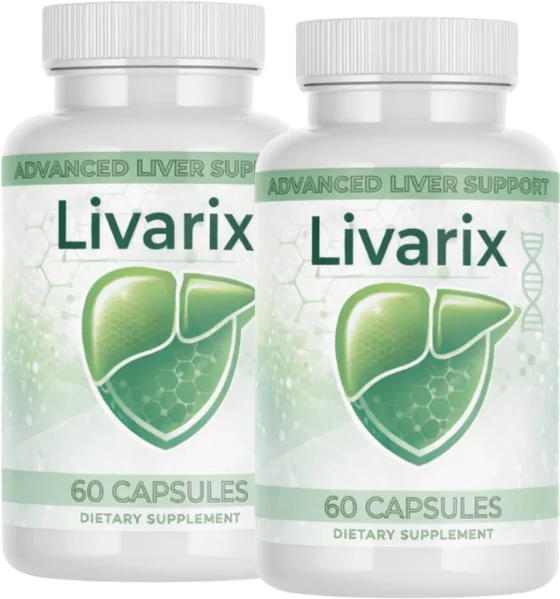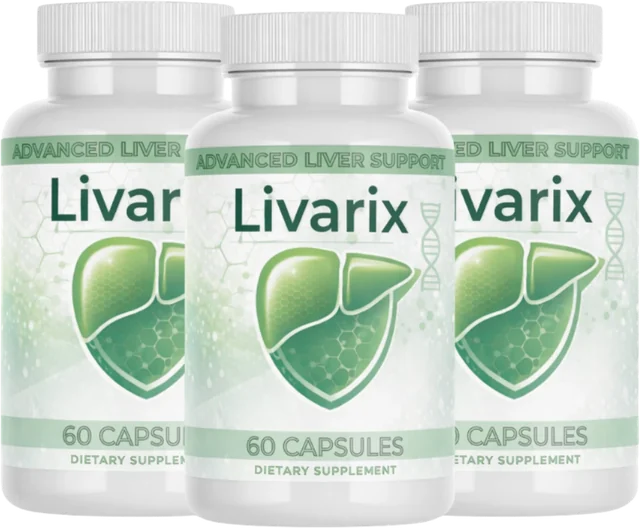
The milk thistle evidence for liver conditions is, in NCCIH's words, insufficient: trials have been conflicting or limited, and two NCCIH-funded studies found no benefit. Milk thistle powder is one of the eight ingredients on the Livarix Capsules sales page, listed at 50 mg.
That does not make milk thistle harmful, and it does not make it useless. It means the research has not settled the question, and anyone who tells you otherwise is claiming more than the sources do. This page sets out what is known, what is not and how to read a milk thistle claim.
What does the research on milk thistle show?
It shows mixed and limited results. NCCIH says the evidence for liver conditions is insufficient, with trials that conflict or are small, and that two studies funded by NCCIH, one in hepatitis C and one in fatty liver disease with inflammation, found no benefit from silymarin.[1]
NCCIH adds that a few small studies have looked at blood sugar in people with type 2 diabetes, mostly from one region of the world, and that this is not enough to draw a firm conclusion. We cite those studies for one reason: they are why a person who takes diabetes medicine should ask a pharmacist before using milk thistle. Our milk thistle page lists every note in the sources.
What is silymarin, and is it in the capsules?
Silymarin is the group of compounds found in milk thistle seed extracts, and it is what most studies tested. LiverTox says seed extracts contain silymarin.[2]
The sales page lists milk thistle powder at 50 mg, which is a powder and not a stated silymarin extract. No Supplement Facts panel was supplied, so we cannot say how much silymarin, if any, a capsule holds. That matters because the research used extracts, and a powder may differ. We make no claim that the amount here resembles anything tested, and the seller has not said whether it matches a standard extract, and we do not know whether 50 mg is per capsule or per two-capsule serving.
Is milk thistle safe?
It appears well tolerated for most people. NCCIH says side effects can include bloating, nausea and gas, and that an allergy is possible, especially in people who are allergic to ragweed, chrysanthemum, marigold or daisy.[1]
LiverTox says milk thistle has not been implicated in causing liver injury, giving it its lowest likelihood score, which is a reassuring note about the ingredient on its own. It does not clear the whole formula, because turmeric in the same capsule carries a recognised liver caution. NCCIH also says little is known about milk thistle in pregnancy or breastfeeding. Our pregnancy and nursing page covers the source notes for those groups.
Can I be sure a product contains what it says?
No, and the sources say so. NCCIH notes that some milk thistle products have been found to differ from their labels or to be contaminated.[1]
LiverTox reports that contaminants, unlabeled ingredients, mislabeling and substituted botanicals have been found in herbal and dietary supplements in general.[3] That is a reason to read the label, to ask the seller for a Supplement Facts panel and to prefer products that show one. We have asked the seller for the panel, and the question is on our confirm list. Until it arrives, a reader who wants to compare milk thistle products should look for one that states the amount of silymarin, because a figure for the extract is more informative than a figure for the powder. Until it arrives, every amount we quote is "per the sales page".
Who should ask a professional before taking it?
Anyone with a ragweed-family allergy, anyone who takes diabetes medicine and anyone who is pregnant or breastfeeding should ask first. These are the groups the sources single out.
- People allergic to ragweed, chrysanthemum, marigold or daisy.
- People who take insulin or diabetes tablets.
- People who are pregnant or breastfeeding.
- People with a liver or bile duct condition.
- People who take several medicines, who should show the pharmacist the whole list.
Our medications page lists the medicine groups the sources flag for each ingredient, and the sales page itself advises showing the bottle to your doctor before taking it. A pharmacist can check the whole list in a few minutes, so bring the bottle, your medicines and any allergy history, including hay fever, with you to the counter.
How should I read a milk thistle claim?
Read it against the sources and ask what exactly was tested. A claim that milk thistle "protects" or "repairs" anything is stronger than what NCCIH says, and a claim built on animal or laboratory work is not a finding about people.
Check four things: whether the claim names a study, whether the study was in people, whether it used an extract like the product's and whether it was repeated. The FDA says it does not approve supplements for safety or effectiveness before sale, so the check falls to you.[4] Our label claims page explains how to read what a label may and may not say, and we make no claim about what the capsules do.
Frequently asked questions
Does milk thistle help the liver?
NCCIH says the evidence for liver conditions is insufficient, so we make no such claim.
Is silymarin the same as milk thistle powder?
No. Silymarin is a group of compounds found in seed extracts, while a powder is the ground plant. The sales page lists a powder.
Can milk thistle cause an allergic reaction?
NCCIH says an allergy is possible, especially with ragweed-family allergies. Stop and seek care for a rash, swelling or trouble breathing.
Why do studies of milk thistle disagree?
Products, doses and groups of people differ, and many trials were small. That is why the evidence is called insufficient.
Medical review: Dr. Alexis David, MD, Physician. Review covers label accuracy and safety wording. It is not an endorsement. How review works.
Sources
- NCCIH: Milk Thistle. www.nccih.nih.gov
- LiverTox (NIDDK, NCBI Bookshelf): Milk Thistle. www.ncbi.nlm.nih.gov
- LiverTox (NIDDK, NCBI Bookshelf): Herbal and Dietary Supplements. www.ncbi.nlm.nih.gov
- FDA: FDA 101: Dietary Supplements. www.fda.gov
Safety: Livarix Capsules is a dietary supplement, not a medicine. Follow the directions printed on your bottle (the sales page says two capsules a day with water, in the morning with food) and talk to your healthcare provider first, especially if you have a liver, gallbladder or bile duct condition, take any prescription medicine (including blood thinners, diabetes or blood pressure medicines and water pills), have lupus, gout or a hormone-sensitive condition, are allergic to ragweed or daisy-family plants, or are pregnant or nursing. Stop and call a doctor if you notice yellow skin or eyes, dark urine, unusual tiredness, nausea or poor appetite. Not for anyone under 18.
This site is an independent information site, not the manufacturer of Livarix Capsules. We may earn from order links on this site; order links are marked sponsored. *These statements have not been evaluated by the Food and Drug Administration. This product is not intended to diagnose, treat, cure or prevent any disease. Page updated November 25, 2026.