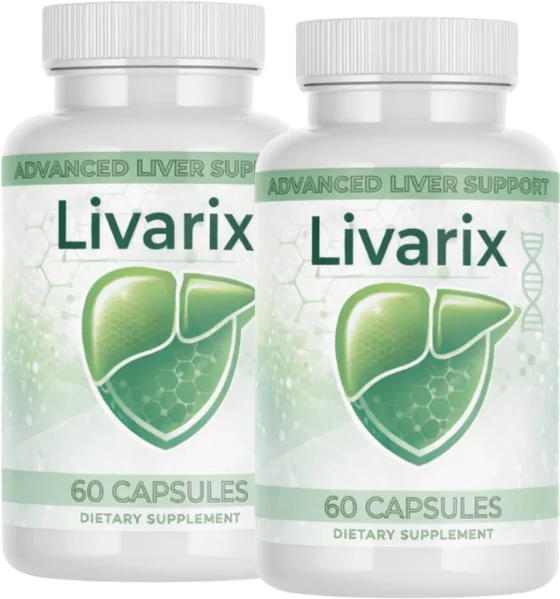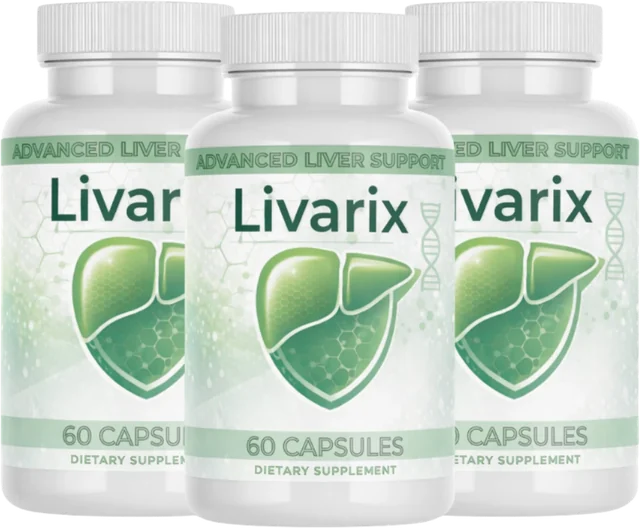
If you notice dark urine while taking Livarix Capsules, stop the capsules and contact a healthcare professional, because NCCIH lists dark urine among the signs to act on with turmeric products. Pink or red urine is a different matter, since it can come from beets, which are also in the formula.
Colour alone cannot tell the two apart for certain, so this post explains the difference, the sources behind it and when to call. When in doubt, ask a professional rather than guess.
Why is dark urine a warning sign here?
It is a warning sign because turmeric, the largest listed ingredient, has been linked to liver injury in some people, and dark urine is one of the signs of it. NCCIH says liver injury has been reported in some people taking highly bioavailable curcumin products and advises stopping and contacting a provider if you have fatigue, nausea, poor appetite, dark urine or yellow skin or eyes.[1]
LiverTox adds that turmeric appears to have become the most common cause of clinically apparent herbal-related liver injury in the United States, and that a severe outcome is more likely if turmeric is continued after signs appear.[2] We do not know whether this product behaves like those studied, but the advice is the same either way: act early.
What is beeturia, and how is it different?
Beeturia is pink or red urine after eating beets or beet colouring, and it occurs in about 10 to 14 percent of people, more often with iron deficiency.[3] Beet root powder is the second-largest ingredient on the sales page, at 200 mg.
A research paper on the biological fate of beetroot pigments describes the same effect and its variation between people.[4] The key point is that beeturia is about a pink or red tint, while the sign the turmeric sources name is dark urine. Our beeturia explainer covers the pigment in more detail, and our beet root page lists the notes for the ingredient.
How can I tell the difference?
Compare the colour, then look at how you feel. Pink or red with no other change may fit beeturia, whereas dark urine with tiredness, nausea or poor appetite fits the warning list. Colour is a clue, not a diagnosis.
| What you notice | Which source it points to | What to do |
|---|---|---|
| Pink or red urine, otherwise well | Beet pigments (beeturia) | Mention it to your doctor; ask if you are unsure |
| Dark urine | Turmeric warning list (NCCIH) | Stop the capsules and contact a provider |
| Dark urine with tiredness, nausea or poor appetite | Turmeric warning list | Stop and contact a provider promptly |
| Yellow skin or eyes | Turmeric warning list | Stop and seek medical care |
| Red urine with pain, or no beets involved | Not covered by our sources | See a doctor |
Liver warning-sign check
ToolNCCIH lists tiredness, nausea, poor appetite, dark urine and yellowing as signs to stop a turmeric product and call a provider; LiverTox notes many people have mild signs or none. Tick anything you have noticed since starting any supplement. Nothing is stored.
What should I do if I see dark urine?
Stop the capsules, contact a healthcare professional and tell them everything you take. Do not wait to see whether it clears, and do not take more capsules to find out.
LiverTox says that if liver injury is suspected, you should stop all supplements and tell your provider about every one.[5] Bring the bottle, and note the date you started, the pack and the amount you took. Your doctor can arrange tests; a web page cannot. If you also have yellow skin or eyes, or feel very unwell, seek urgent care first.
Can anything else make urine dark?
Yes, and that is why a professional should look. The sources we cite do not list other causes, so we will not name them, but many things unrelated to a supplement can change urine colour.
That is a reason not to panic and a reason not to self-diagnose. If your urine is dark and you have not changed anything else, the supplement is the new variable you know about, and your doctor needs to know it. Do not assume that a "natural" product cannot be the cause; NCCIH's general advice is that natural does not always mean safe. Our liver warning signs page lists all the signs in one place.
Should I report it?
Yes, once you have seen a healthcare professional, because reports help regulators see patterns. The FDA explains that you can report a problem with a dietary supplement through its Safety Reporting Portal or MedWatch.[6]
Include these in your report:
- The product name and the pack.
- The dates you started and stopped.
- The symptoms and when they began.
- The medicines and other supplements you take.
If you also want a refund, the seller's phone line, +1 (302) 200-3480, handles refunds, and our refund how-to post lists the steps. A refund claim never replaces medical care, and your records help both.
If you have not started yet, read the warning list now and show the bottle to your doctor or pharmacist first, as the sales page itself advises. If you take medicine, have a liver condition or already use another turmeric product, say so.
Knowing the signs in advance is the simplest protection. Put the list somewhere you will see it, and agree with your doctor what you will do if one appears. If you decide to order afterwards, the 3-bottle pack is the middle option, and we may earn from that link at no extra cost to you.
Frequently asked questions
Does red urine after beets mean the same as dark urine?
No. Red urine after beets is beeturia, while dark urine is the sign the turmeric sources name.
Is dark urine always a sign of liver injury?
No, but it is on the warning list for turmeric, so stop and ask a professional.
Can I keep taking the capsules while I wait to see a doctor?
No. NCCIH advises stopping and contacting a provider.
How soon should I call?
As soon as you notice it. LiverTox says a severe outcome is more likely if turmeric is continued after signs appear.
Medical review: Dr. Alexis David, MD, Physician. Review covers label accuracy and safety wording. It is not an endorsement. How review works.
Sources
- NCCIH: Turmeric. www.nccih.nih.gov
- LiverTox (NIDDK, NCBI Bookshelf): Turmeric. www.ncbi.nlm.nih.gov
- StatPearls (NCBI Bookshelf): Beeturia. www.ncbi.nlm.nih.gov
- Watts et al., Beeturia and the biological fate of beetroot pigments (Pharmacogenetics, PubMed). pubmed.ncbi.nlm.nih.gov
- LiverTox (NIDDK, NCBI Bookshelf): Herbal and Dietary Supplements. www.ncbi.nlm.nih.gov
- FDA: How to Report a Problem with Dietary Supplements. www.fda.gov
Safety: Livarix Capsules is a dietary supplement, not a medicine. Follow the directions printed on your bottle (the sales page says two capsules a day with water, in the morning with food) and talk to your healthcare provider first, especially if you have a liver, gallbladder or bile duct condition, take any prescription medicine (including blood thinners, diabetes or blood pressure medicines and water pills), have lupus, gout or a hormone-sensitive condition, are allergic to ragweed or daisy-family plants, or are pregnant or nursing. Stop and call a doctor if you notice yellow skin or eyes, dark urine, unusual tiredness, nausea or poor appetite. Not for anyone under 18.
This site is an independent information site, not the manufacturer of Livarix Capsules. We may earn from order links on this site; order links are marked sponsored. *These statements have not been evaluated by the Food and Drug Administration. This product is not intended to diagnose, treat, cure or prevent any disease. Page updated November 25, 2026.